 ARENAConcert23 Oct – 24 Oct · 2 shows
Ryokuoushoku Shakai
Pop band of “Mela!”
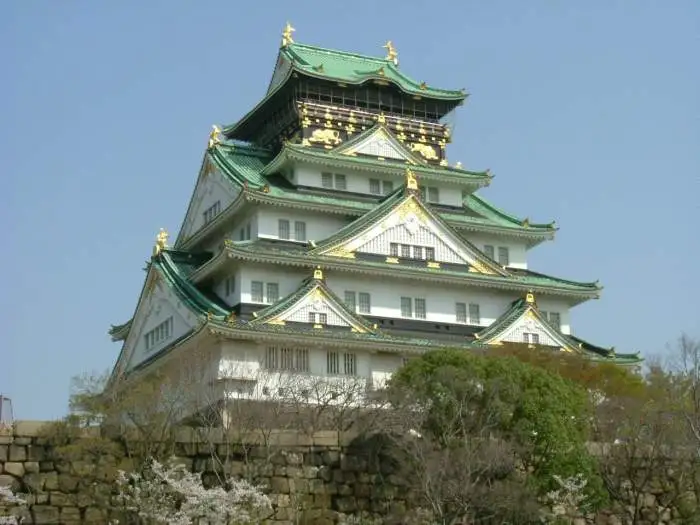
Osaka-Jo Hall · In Osaka Castle Park
Find a home nearby · 2 nights →Official info & tickets ↗What's on · Kansai
Dome tours, arena nights and festivals. Book a home near the venue, and walk back after the encore.
Big shows this season
ARENAConcert23 Oct – 24 Oct · 2 showsPop band of “Mela!”
Osaka-Jo Hall · In Osaka Castle Park
Find a home nearby · 2 nights →Official info & tickets ↗The duo behind “Idol” and “Yoru ni Kakeru”
Kyocera Dome Osaka · Stays near the dome
Find a home nearby · 2 nights →Official info & tickets ↗The “Empress of J-pop”, a 2000s superstar
ROHM Theatre Kyoto · Okazaki, Kyoto
Find a home nearby · 2 nights →Official info & tickets ↗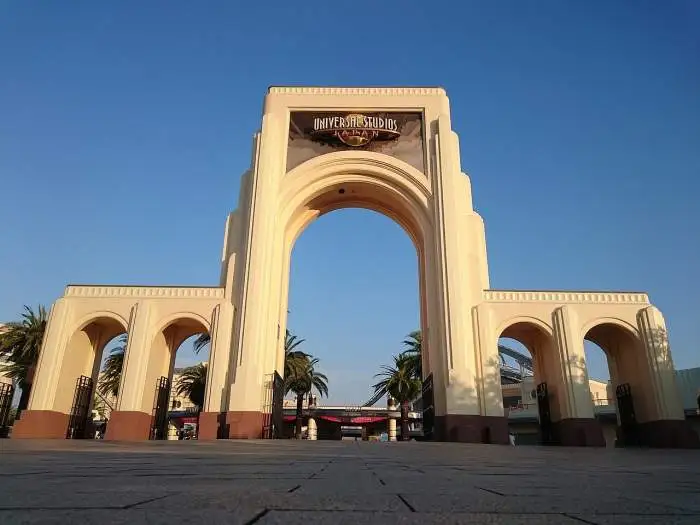 LIVEIdol concert17 Nov
The newest members of top girl group Nogizaka46
Zepp Osaka Bayside · Near Universal Studios
Find a home nearby · 1 night →Official info & tickets ↗LIVEIdol concert18 NovThe newest members of top girl group Nogizaka46
Zepp Osaka Bayside · Near Universal Studios
Find a home nearby · 1 night →Official info & tickets ↗ARENAConcert18 Nov – 19 Nov · 2 showsSinger-songwriter of “Lemon” and “KICK BACK”
Osaka-Jo Hall · In Osaka Castle Park
Find a home nearby · 2 nights →Official info & tickets ↗LIVEConcert4 DecUS rock band of “Bring Me to Life”
Zepp Osaka Bayside · Near Universal Studios
Find a home nearby · 1 night →Official info & tickets ↗Big Japanese dance-and-vocal group
Kyocera Dome Osaka · Stays near the dome
Find a home nearby · 2 nights →Official info & tickets ↗Singer-songwriter of “Shinunoga E-Wa”
Kyocera Dome Osaka · Stays near the dome
Find a home nearby · 4 nights →Official info & tickets ↗ARENAConcert16 Dec – 17 Dec · 2 showsLegendary Japanese rock band, 35th-anniversary tour
Osaka-Jo Hall · In Osaka Castle Park
Find a home nearby · 2 nights →Official info & tickets ↗ARENAConcert22 Dec – 23 Dec · 2 showsSouthern All Stars frontman, a national legend
Osaka-Jo Hall · In Osaka Castle Park
Find a home nearby · 2 nights →Official info & tickets ↗October 2026
November 2026
December 2026
Exhibition
From each museum’s official programme. Tap for hours, tickets and how to get there.
 ExhibitionExhibition
 Kakidai · CC BY-SA 4.0 · Wikimedia CommonsExhibitionKakidai · CC BY-SA 4.0 · Wikimedia CommonsExhibition
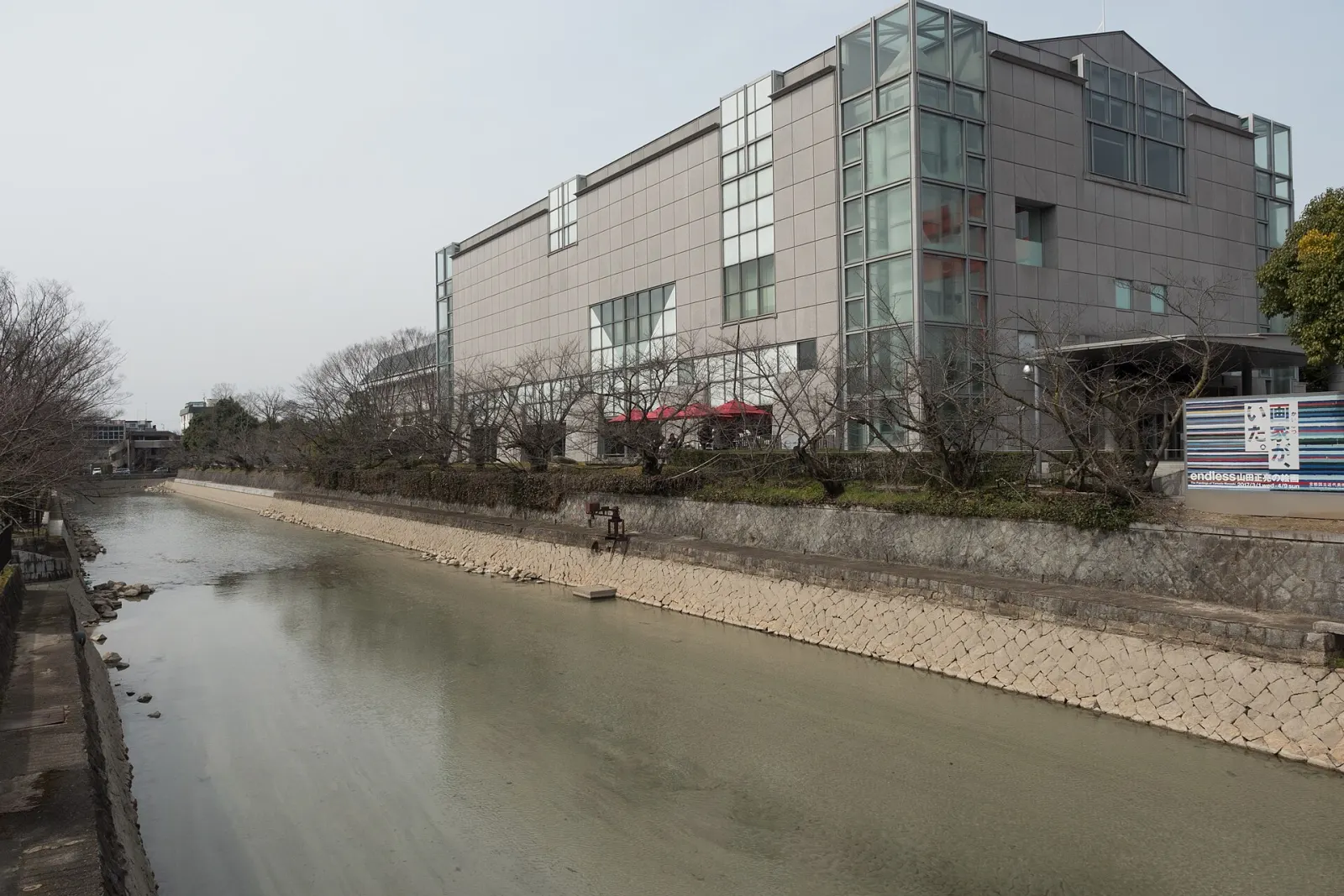 Fumihiro Kato · CC BY 4.0 · Wikimedia CommonsExhibition
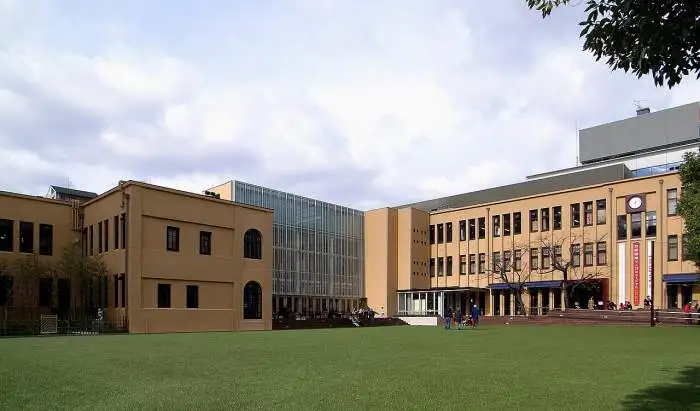 ExhibitionExhibitionExhibition
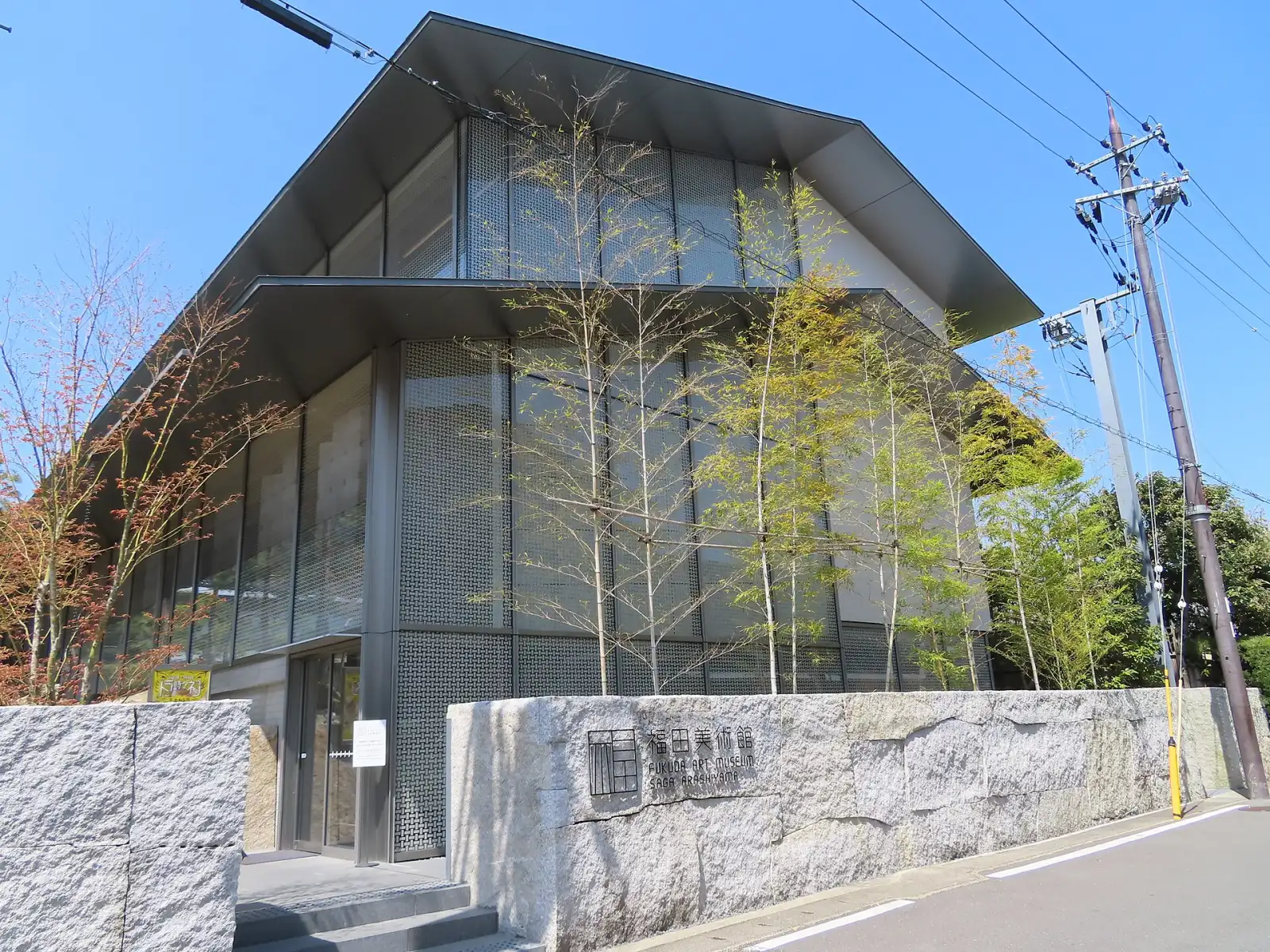 運動会プロテインパワー · CC BY-SA 4.0 · Wikimedia CommonsExhibition
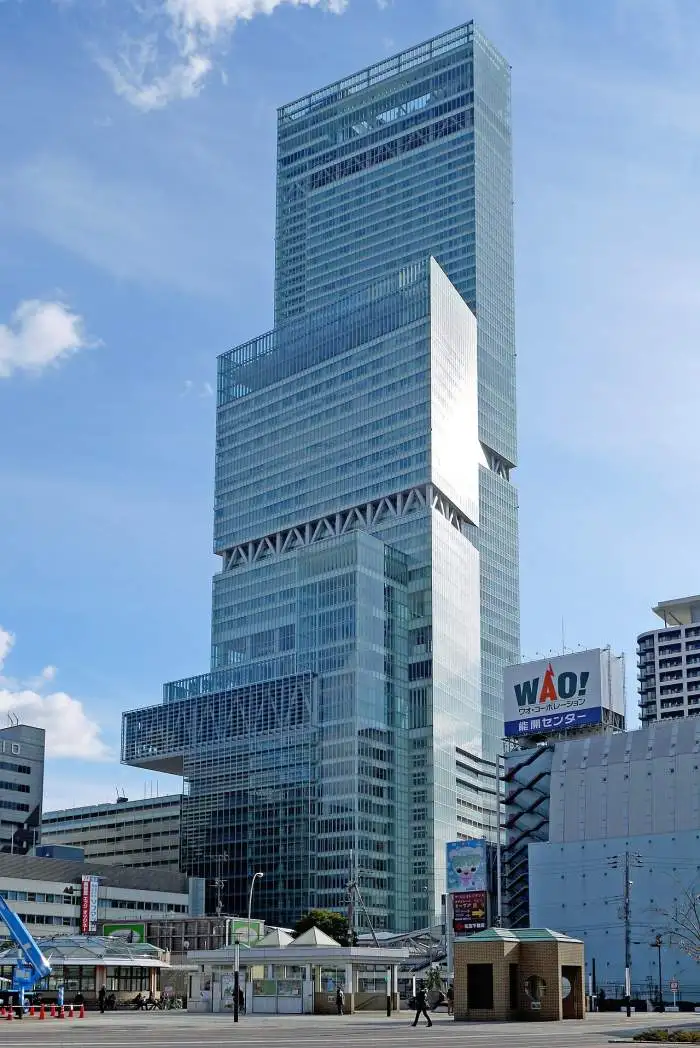 Exhibition
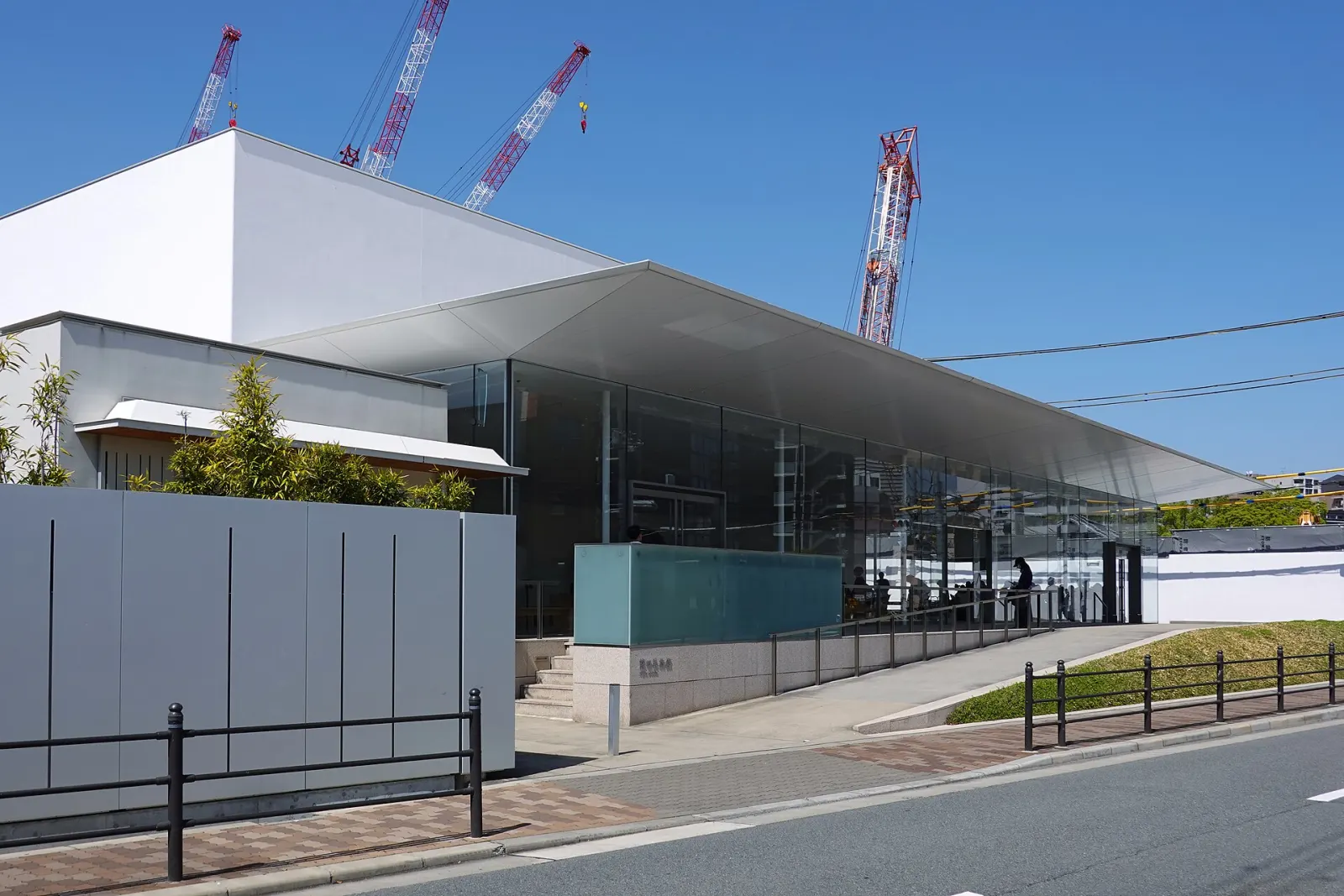 663highland · CC BY-SA 4.0 · Wikimedia CommonsExhibition663highland · CC BY-SA 4.0 · Wikimedia CommonsExhibition
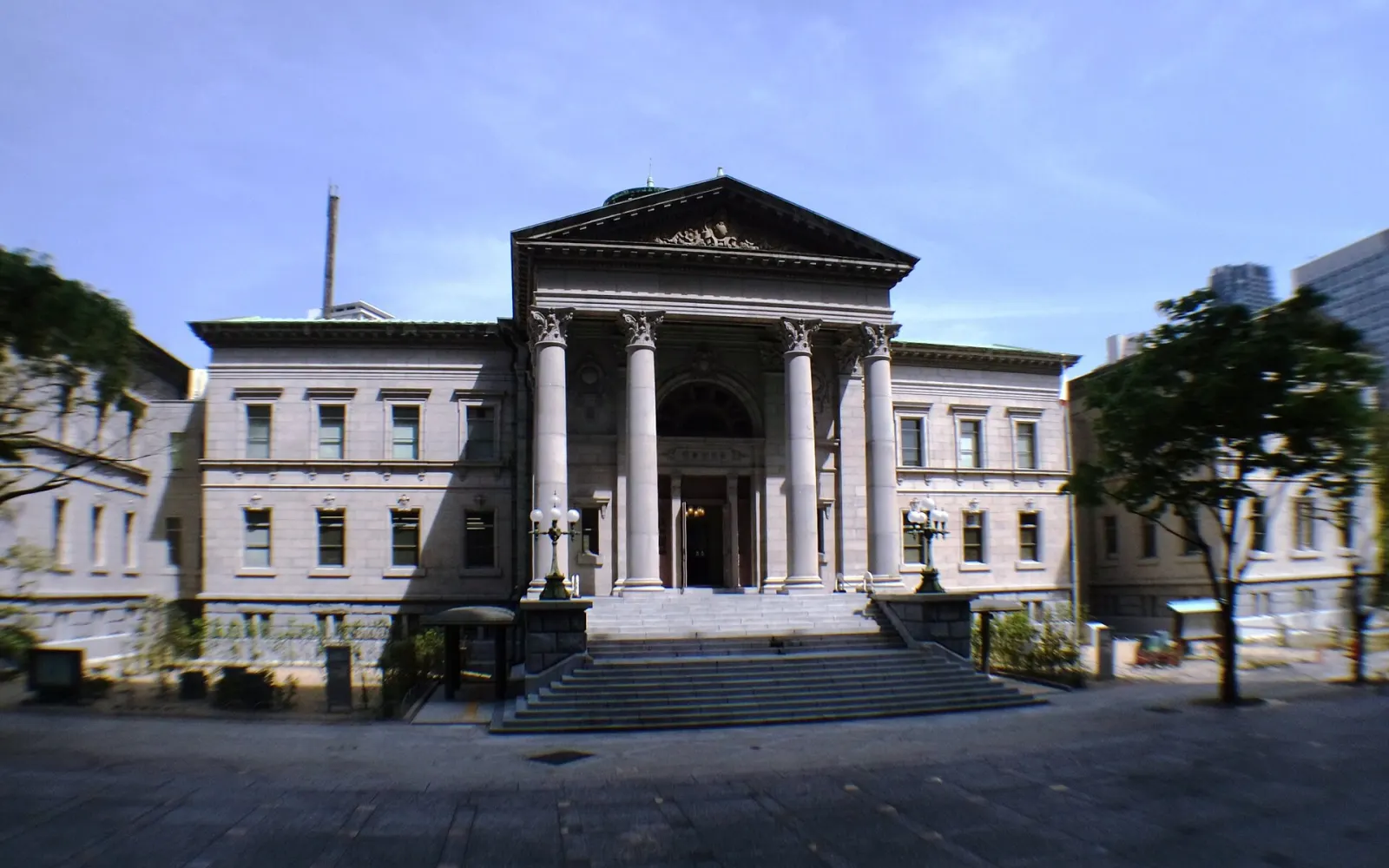 Mc681 · CC BY-SA 4.0 · Wikimedia CommonsExhibition
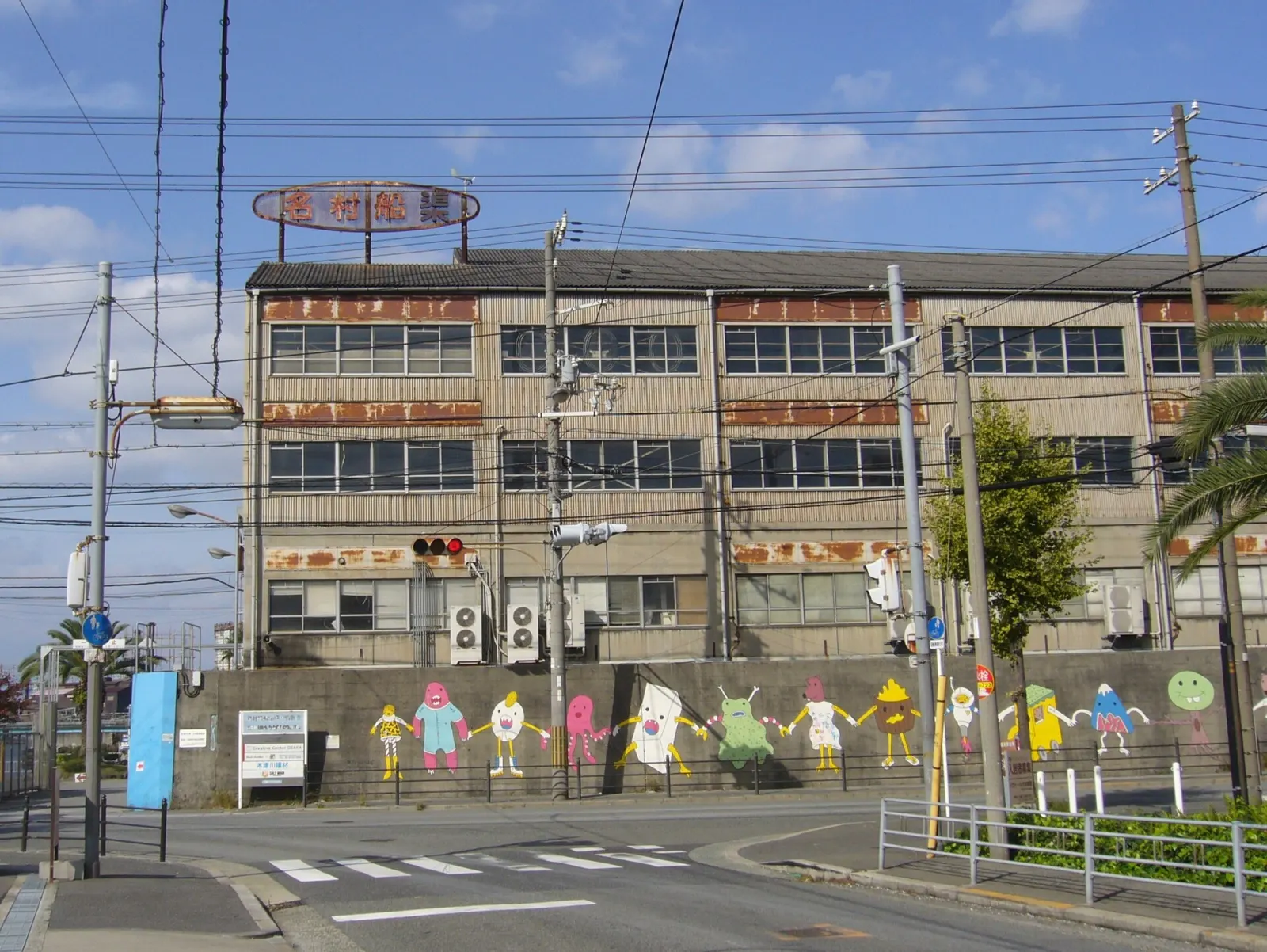 聖石大戦ぶぅぶぅ · CC BY-SA 4.0 · Wikimedia CommonsExhibition
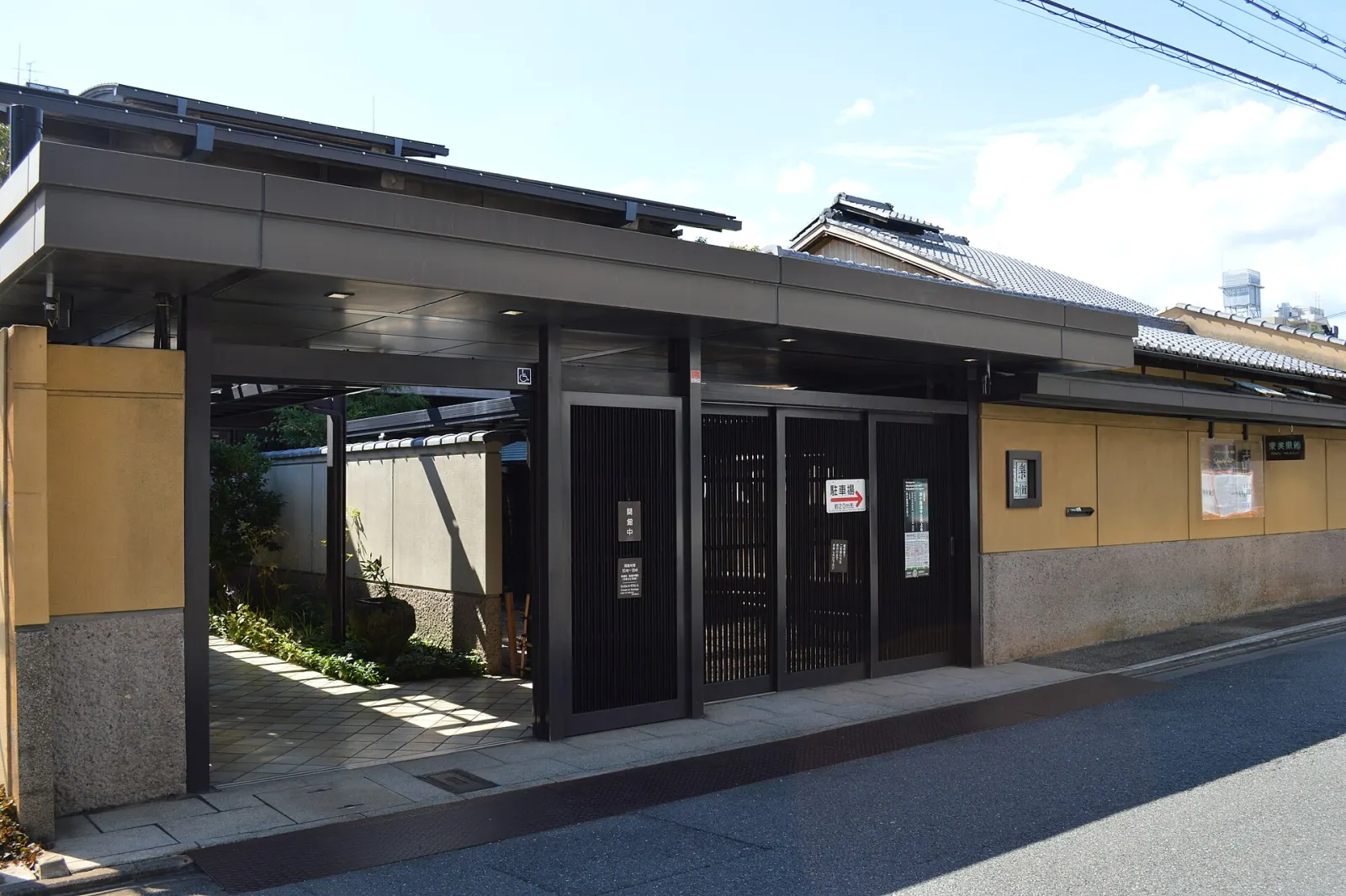 At by At · CC BY-SA 3.0 · Wikimedia CommonsExhibition
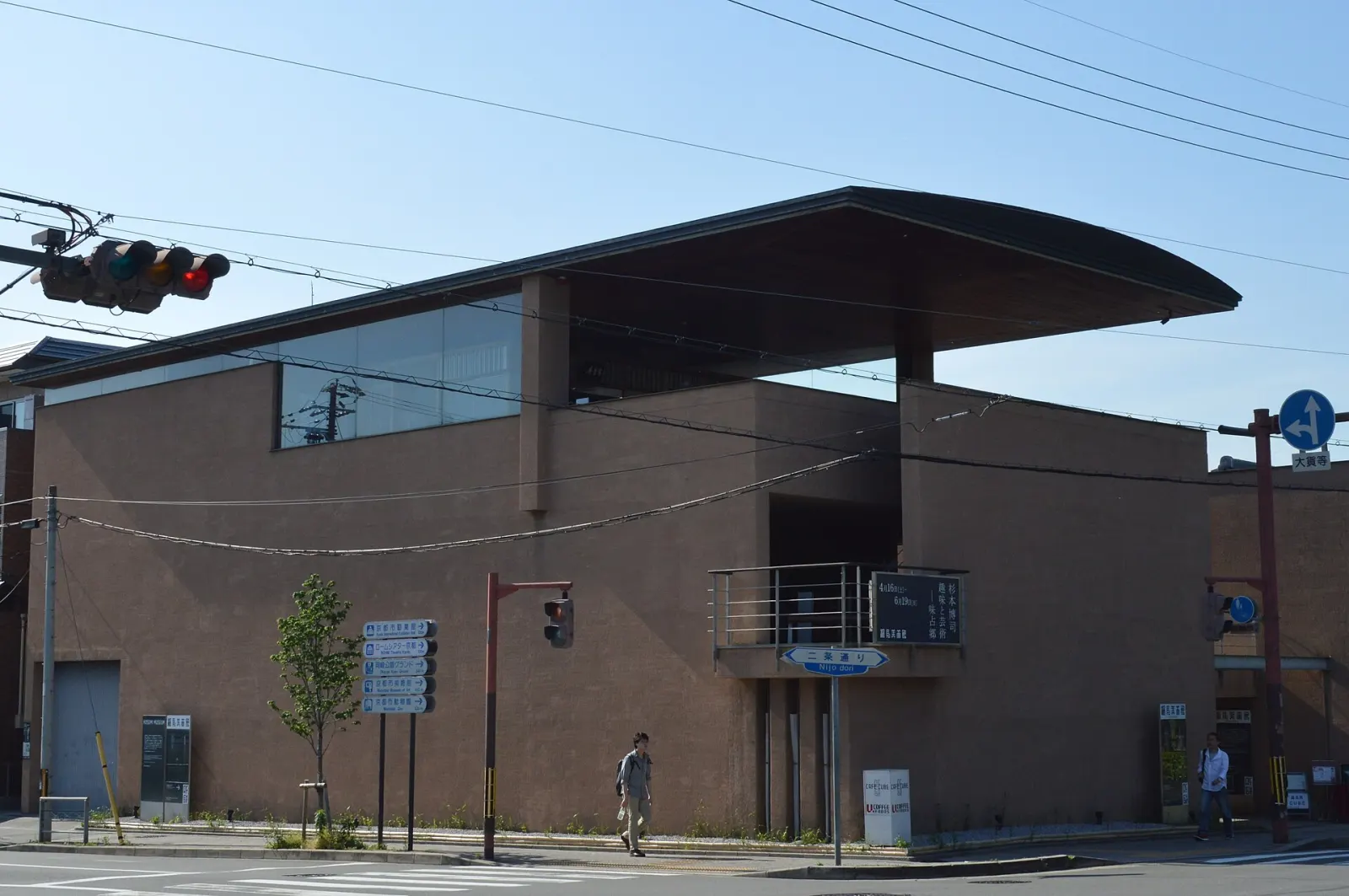 Asturio Cantabrio · CC BY-SA 4.0 · Wikimedia CommonsExhibition
Opening soon
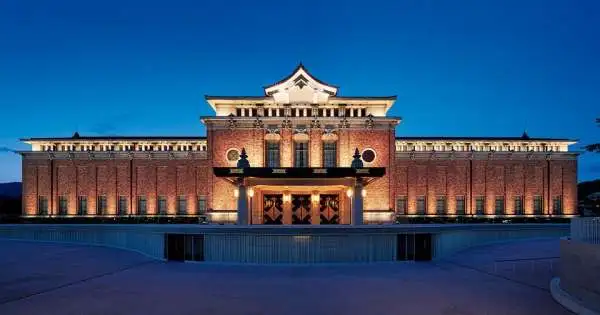 ExhibitionOpens 6 Oct
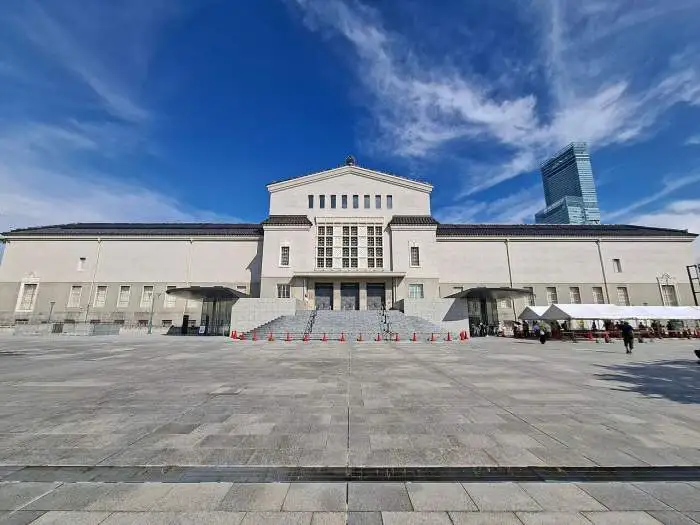 ExhibitionOpens 9 Oct
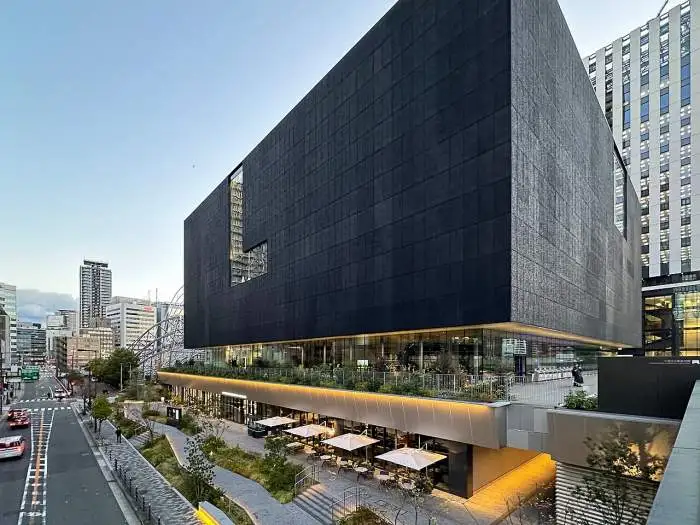 ExhibitionOpens 10 Oct
 NS-690Ⅲ · CC BY 2.5 · Wikimedia CommonsExhibitionOpens 16 Oct
 ExhibitionOpens 17 Oct
 ExhibitionOpens 21 OctFumihiro Kato · CC BY 4.0 · Wikimedia CommonsExhibitionOpens 24 OctFumihiro Kato · CC BY 4.0 · Wikimedia CommonsExhibitionOpens 24 Oct聖石大戦ぶぅぶぅ · CC BY-SA 4.0 · Wikimedia CommonsExhibitionOpens 28 OctExhibitionOpens 31 Oct聖石大戦ぶぅぶぅ · CC BY-SA 4.0 · Wikimedia CommonsExhibitionOpens 8 NovExhibitionOpens 14 NovAsturio Cantabrio · CC BY-SA 4.0 · Wikimedia CommonsExhibitionOpens 21 NovAt by At · CC BY-SA 3.0 · Wikimedia CommonsExhibitionOpens 13 DecExhibitionOpens 22 DecExhibitionOpens 26 Dec運動会プロテインパワー · CC BY-SA 4.0 · Wikimedia CommonsExhibitionOpens 30 JanExhibitionOpens 6 FebKakidai · CC BY-SA 4.0 · Wikimedia CommonsExhibitionOpens 6 FebExhibitionOpens 13 Feb
Traditional stage
Japan’s classical stage, with dates from each theatre.
Coming soon
 聖石大戦ぶぅぶぅ · CC BY-SA 4.0 · Wikimedia CommonsTraditional stageOpens 10 Oct聖石大戦ぶぅぶぅ · CC BY-SA 4.0 · Wikimedia CommonsTraditional stageOpens 24 Oct
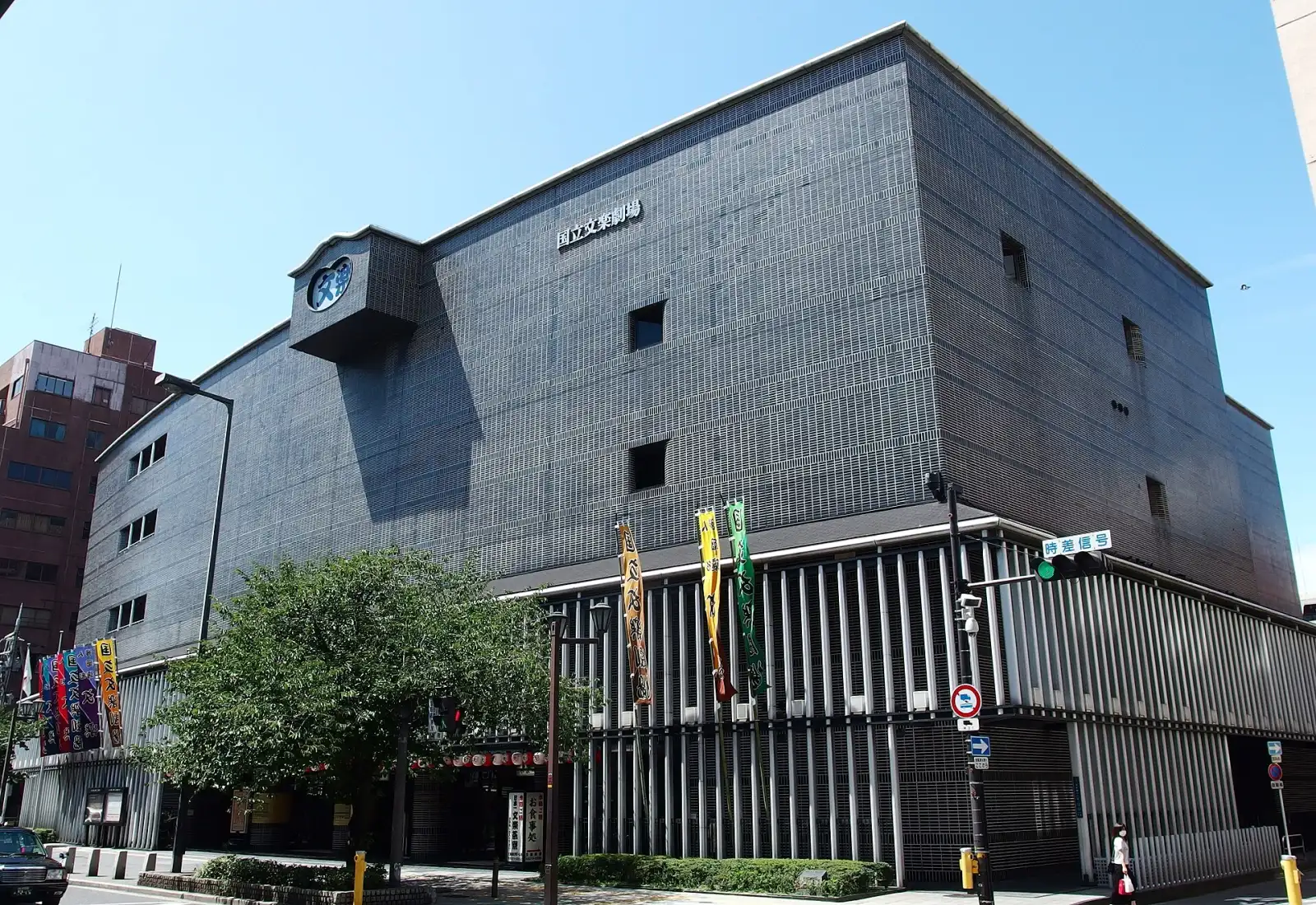 Mc681 · CC BY-SA 4.0 · Wikimedia CommonsTraditional stageOpens 31 Oct聖石大戦ぶぅぶぅ · CC BY-SA 4.0 · Wikimedia CommonsTraditional stageOpens 21 Nov
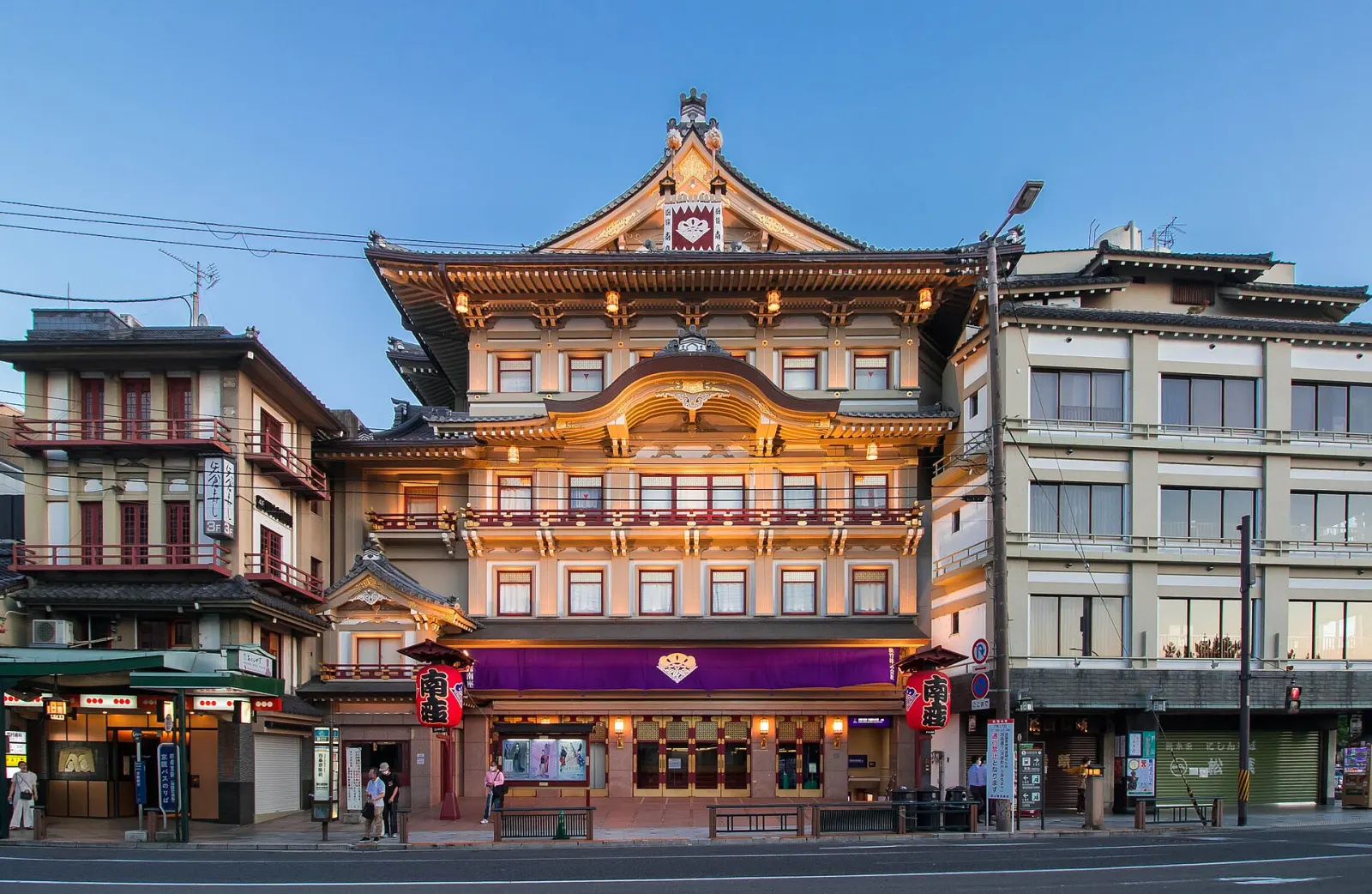 Kakidai · CC BY-SA 4.0 · Wikimedia CommonsTraditional stageOpens 1 DecMc681 · CC BY-SA 4.0 · Wikimedia CommonsTraditional stageOpens 3 Jan
Temple special opening
Hidden treasures shown for a few weeks, and gardens lit up after dark.
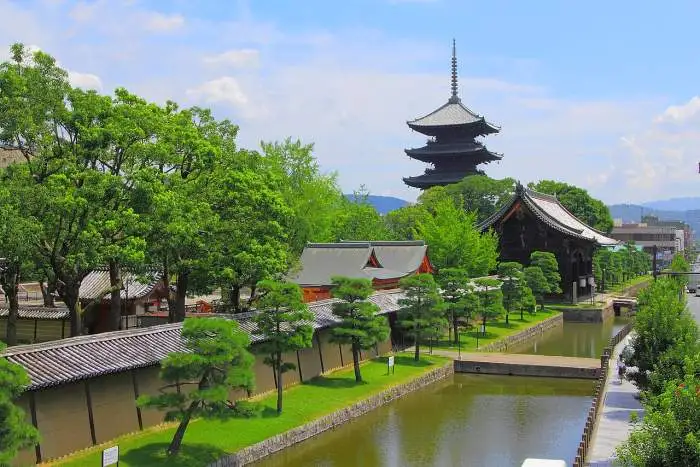 Temple special opening
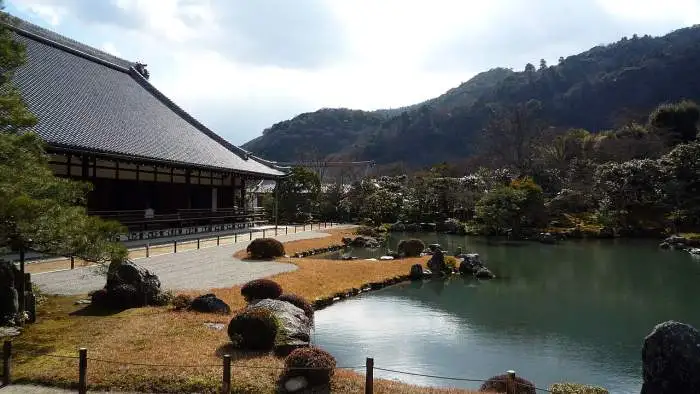 Temple special opening
Coming soon
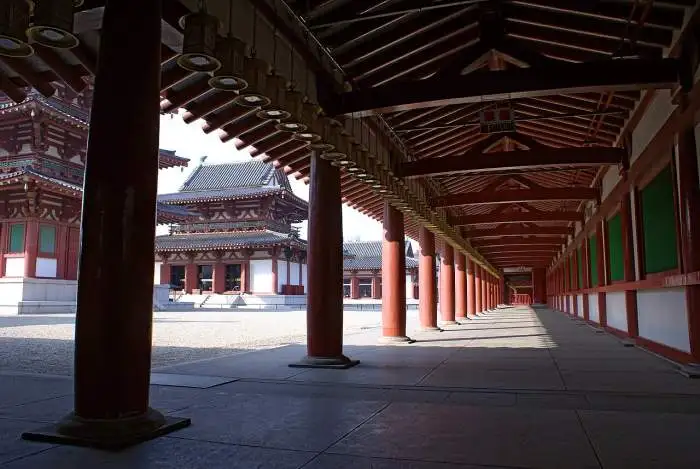 Temple special openingOpens 10 Oct
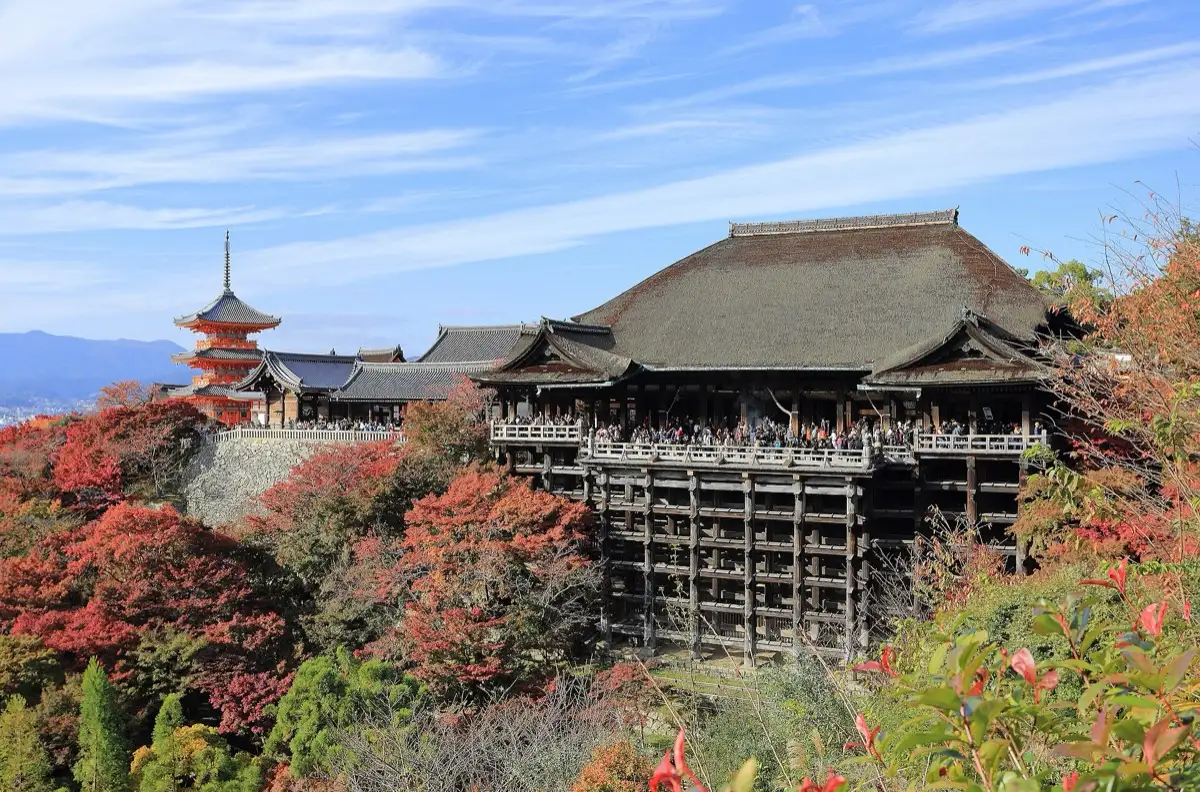 Photo: Martin Falbisoner, CC BY-SA 4.0Temple special openingOpens 15 Oct
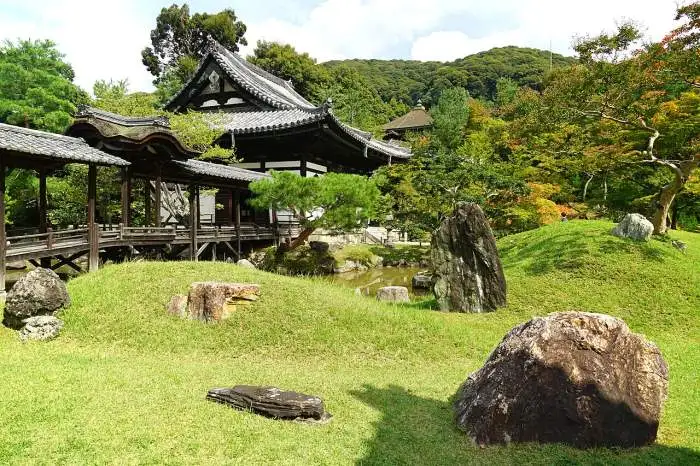 Temple special openingOpens 23 OctTemple special openingOpens 31 OctTemple special openingOpens 31 Oct
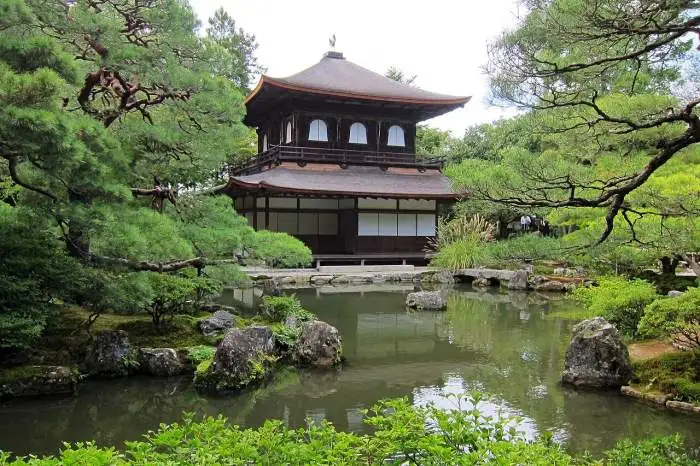 Temple special openingOpens 1 Nov
 Temple special openingOpens 11 NovTemple special openingOpens 14 NovTemple special openingOpens 20 NovPhoto: Martin Falbisoner, CC BY-SA 4.0Temple special openingOpens 21 NovPhoto: Martin Falbisoner, CC BY-SA 4.0Temple special openingOpens 21 Nov
 Akonnchiroll · CC BY-SA 4.0 · Wikimedia CommonsTemple special openingOpens 15 JanAkonnchiroll · CC BY-SA 4.0 · Wikimedia CommonsTemple special openingOpens 3 FebAkonnchiroll · CC BY-SA 4.0 · Wikimedia CommonsTemple special openingOpens 3 Mar
Festival
The year here is marked by its festivals. When each one usually happens, and what it celebrates.
 Mc681 · CC BY-SA 4.0 · Wikimedia CommonsFestivalOpens 10 Oct
 FestivalOpens 10 Oct
 FestivalOpens 15 Oct
 Peter 111 at French Wikipedia · Public domain · Wikimedia CommonsFestivalOpens 22 Oct
 Ogiyoshisan · Public domain · Wikimedia CommonsFestivalOpens 8 Nov
Spring (March–May)
Kyoto Imperial Palace – Shimogamo Shrine – Kamigamo Shrine
The Aoi Matsuri is the annual festival of Shimogamo Shrine (Kamo-mioya Shrine) and Kamigamo Shrine (Kamo-wakeikazuchi Shrine), and its formal name is the "Kamo Matsuri." In the Heian period it was so prestigious that "the festival" simply meant this Kamo Matsuri. By tradition its origins go back to around the 6th century, when the Kamo deities were enshrined after wild weather had left the crops to fail. The futaba-aoi (wild ginger) leaves that adorn the festival are the source of its name.
The heart of the festival is the "Roto-no-gi" procession, held every year on May 15. About 500 people in Heian-era dress, along with horses and ox-drawn carts, make their way from the Kyoto Imperial Palace via Shimogamo Shrine to Kamigamo Shrine, a distance of roughly eight kilometers. It is a signature scene of early summer in Kyoto, as if a dynastic picture scroll had stepped out into the streets.
Summer (June–August)
Aizen-do Shomanin (Tennoji Ward, Osaka City)
The Aizen Matsuri, held every year from June 30 to July 2, is the event that kicks off Osaka's summer festival season. The "Three Great Summer Festivals of Osaka" are said to begin with this Aizen-san, pass through the Tenjin Matsuri, and end with Sumiyoshi-san (some say the third is the Ikutama Matsuri). The venue, Aizen-do Shomanin, is a temple said to be connected to Prince Shotoku, and its principal image, Aizen Myo-o, gives the festival its name.
The highlight of the opening day is the parade of hoekago (festival palanquins) carrying the Aizen maidens in yukata. They proceed to the chant of "Aizen-san ja, hoekago!" It has long been cherished as the "yukata festival," the occasion to wear a summer yukata for the first time (the stalls and parade were scaled back for a time, but have revived in recent years).
Yasaka Shrine, Shijo-Karasuma and central Kyoto City
The Gion Matsuri is the festival of Yasaka Shrine, held over the entire month of July. Its origins go back to the Heian period, to the "Goryo-e," a rite praying to ward off epidemics. In the 11th year of Jogan (869), to quell a plague sweeping the capital, 66 halberds — one for each of the provinces of the land at the time — were raised and the Gion deity enshrined; this is said to be the beginning. Passed down over more than a thousand years, it was registered as a UNESCO Intangible Cultural Heritage in 2009.
The highlight is the procession of the yamaboko floats, also called the "moving museum." Twenty-nine floats, decked in lavish ornamental hangings, advance down the imperial avenues. The procession takes place on July 17 for the Saki Matsuri (former festival) and July 24 for the Ato Matsuri (latter festival). On the nights a few days before, yoiyama wraps the streets as the koma-gata lanterns are lit. You can walk around the whole area, from the float-bearing districts to Yasaka Shrine and Gion.
Osaka Tenmangu Shrine and the Okawa River (Old Yodo River) area
The Tenjin Matsuri is the festival of Osaka Tenmangu Shrine, which enshrines Sugawara no Michizane, the deity of learning. It is one of Japan's Three Great Festivals, alongside Kyoto's Gion Matsuri and Tokyo's Kanda Matsuri. With a history spanning more than a thousand years, it is said to have begun around the 5th year of Tenryaku (951). The main day, hongu, falls on July 25 every year (with the eve, yomiya, on the 24th).
The highlight is the night of the main day, known as the "Festival of Fire and Water." Following the rikutogyo land procession of some 3,000 people that winds through the streets, the funatogyo boat procession unfolds, with a line of vessels bearing the divine spirit crossing back and forth on the Okawa River (Old Yodo River) that runs through central Osaka. Overhead there are dedicatory fireworks. The bonfire flames and fireworks reflected on the water set the Osaka summer night aglow.
Sumiyoshi Taisha (Sumiyoshi Ward, Osaka City)
The Sumiyoshi Matsuri is the festival of Sumiyoshi Taisha, which enshrines the deities of the sea, and it is regarded as the finale of Osaka's summer festivals. "It begins with Aizen-san and ends with Sumiyoshi-san" — this is the event that caps off the Three Great Summer Festivals of Osaka. It has a long history, said to have become a regular observance as the "miharae" purification as far back as the Nara period.
At the grand festival on July 31, the Nagoshi-no-harae rite is held to purge sins and impurities, with participants passing through a ring of reeds (chinowa). The next day, August 1, comes the Mikoshi Togyo Sai, in which the portable shrine crosses through the streets. Sumiyoshi Taisha is the guardian of the sea, famous for its steeply arched bridge. Stay in this area by the shrine gates and you can feel the fervor of the summer festival right at hand.
The five mountains encircling Kyoto City
The Gozan no Okuribi is an Obon observance in which, on the night of August 16 every year, characters and shapes are traced in flame on the mountains that ring Kyoto. It carries the meaning of a "send-off for the spirits" — sending the oshorai-san, the spirits of the dead who have returned for Obon, back to the other world (locals do not call it "Daimonji-yaki" but the "okuribi" (send-off fire)).
Five fires are lit: Daimonji, Myo/Ho, Funagata (boat shape), Hidari-Daimonji (left Daimonji), and Torii-gata (torii shape). They rise on the mountains one after another with slight time gaps, and can be viewed from many spots around the city. Counted among the "Four Great Events of Kyoto" together with the Gion Matsuri, Aoi Matsuri and Jidai Matsuri, it is the scene that announces the end of the Kyoto summer.
Autumn (September–November)
Kishiwada City (southern Osaka Prefecture)
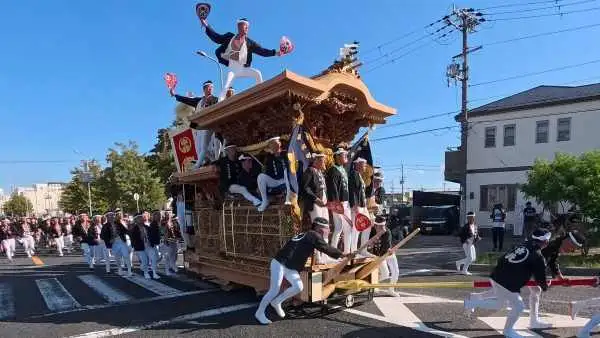
The Kishiwada Danjiri Matsuri is a spirited festival handed down in Kishiwada, in southern Osaka Prefecture. The famous festival of the Kishiwada district is held around mid-September (near the Respect for the Aged Day long weekend) every year (other districts in the city, such as Higashi-Kishiwada, also hold it in October). Its beginnings are said to trace back to 1745, when townspeople started a festival to pray for a good harvest.
The greatest highlight is the "yarimawashi." It is a breathtaking, exhilarating feat in which a danjiri (wooden festival cart) weighing several tons is turned at a right angle around a street corner at full speed. The intricate wood carvings covering the beams and transoms are a sight in themselves. It is a fervent festival that heralds the arrival of autumn in Osaka.
Kyoto Imperial Palace – Heian Shrine
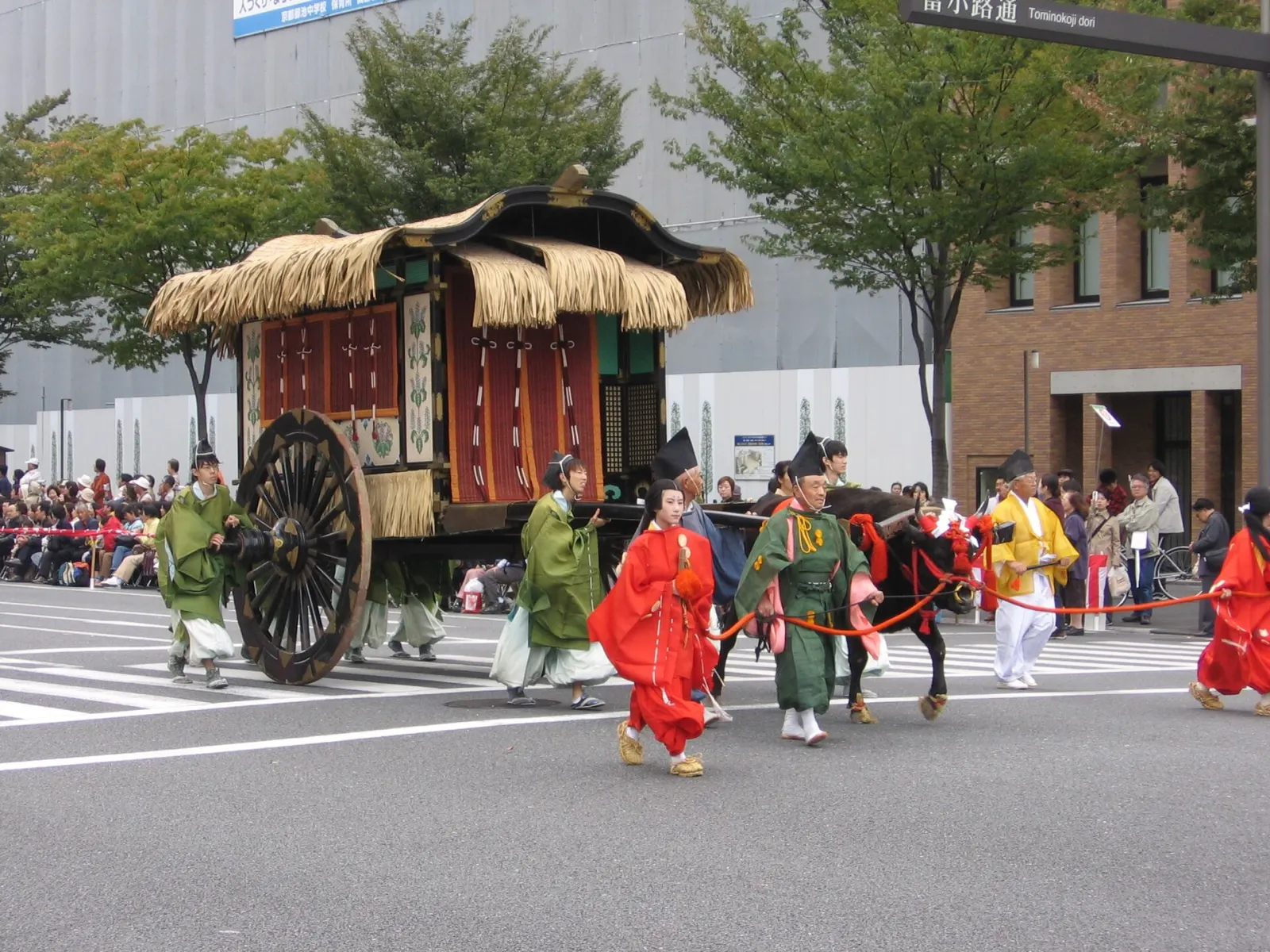
The Jidai Matsuri is the grand festival of Heian Shrine. Newest in history among the three great festivals, it began in the 28th year of Meiji (1895), to mark the founding of Heian Shrine and the 1,100th anniversary of the capital's move to Heian. The date, October 22, honors the day in 794 when Emperor Kanmu moved the capital to Heian-kyo — in effect, "Kyoto's birthday."
The highlight is the "Procession of the Ages." About 2,000 people walk in the dress of each era, in reverse chronological order, going back from the Meiji Restoration to the Heian capital's founding. Stretching some two kilometers, the procession is like a living picture scroll of history. Through the changing costumes you can trace the thousand years of time that the capital of Kyoto has accumulated.
Yuki Shrine (Kurama, Sakyo Ward, Kyoto City)
The Kurama no Hi Matsuri is a fire festival held on the night of October 22 every year (the same day as the Jidai Matsuri) at Yuki Shrine in the village of Kurama, north of Kyoto. It is said to convey the story of the 3rd year of Tengyo (940), when Yuki Daimyojin was welcomed to Kurama from the Imperial Palace and the villagers held up torches to greet the deity.
At night, to the chant of "Sairei-ya, Sairyo," men shouldering torches large and small parade through the village, and the settlement is engulfed in flame. It is counted as one of the Three Great Unusual Festivals of Kyoto (of the three, the "Ushi Matsuri" of Uzumasa has been suspended in recent years). It is a wild yet sacred night in the mountains.
Winter (December–February)
Imamiya Ebisu Shrine (Naniwa Ward, Osaka City) and elsewhere
Toka Ebisu is an event that represents the Osaka New Year, honoring Ebisu-sama, the deity of prosperous business. Over the three days of January 9 (Yoi-Ebisu), 10 (Hon-Ebisu) and 11 (Nokori-Fuku) every year, Imamiya Ebisu Shrine and other Ebisu shrines around the region bustle with people seeking good fortune.
The chant "Bring your bamboo for a prosperous business" rings out across the grounds, and the fuku-musume (fortune maidens) hand out fuku-zasa — lucky bamboo branches hung with auspicious kitcho charms. A parade of hoekago (festival palanquins) winding through the streets is another highlight. It is a scene unique to the New Year, as people gather from all over Osaka to pray for the year's business.