 Photo: Martin Falbisoner, CC BY-SA 4.0
Temple & shrine · Kyoto
Kiyomizu-dera
清水寺
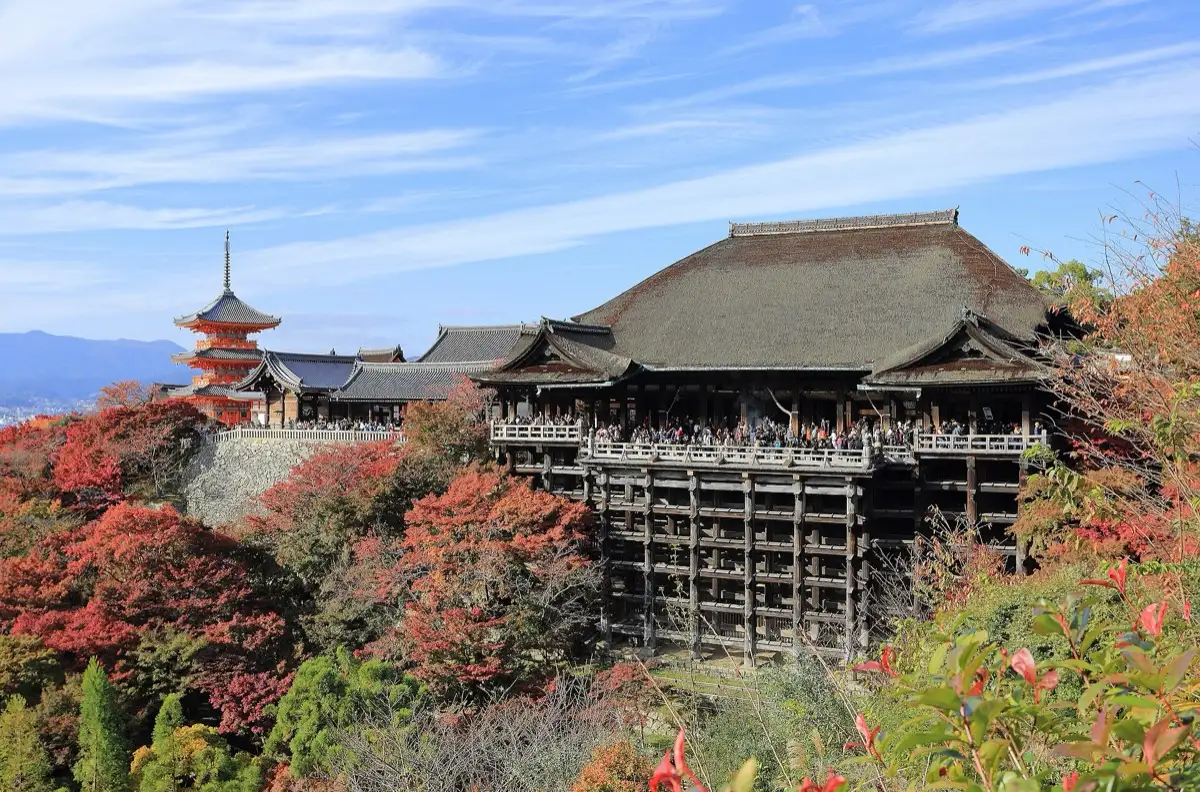
Kiyomizu-dera was founded in 778, halfway up Mt Otowa in the Higashiyama hills, around a spring whose pure water gave the temple its name. Its main hall, rebuilt in 1633, has a wooden stage jutting out over the slope on a lattice of huge pillars, built with traditional joinery.
From the stage, Kyoto spreads out below the treetops, pink in spring and red in late autumn. Below, visitors queue at Otowa Waterfall to catch its three streams with long-handled cups, and the lanes of Kiyomizu-zaka and Sannen-zaka lead back down past pottery and sweet shops.
What to see and do
The famous wooden platform over the hillside, with views across Kyoto.
The spring the temple is named after; visitors drink from its three streams to make a wish.
Its own stage offers the classic photo of the main hall with the city behind it.
The vermilion two-storey main gate and the west gate, famous for sunset views.
What’s on
Good to know
- Come at 6:00 opening to see the stage before the crowds.
- There is no parking at the temple; take the bus and walk up the slope.
More art nearby
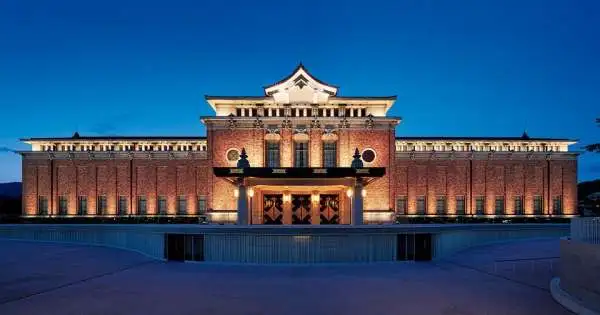
Kyoto National Museum
Treasures from Kyoto’s temples and court, in a red-brick hall that opened in 1897.
 Nicholas & Debra Jewell · CC BY 2.0 · Wikimedia Commons
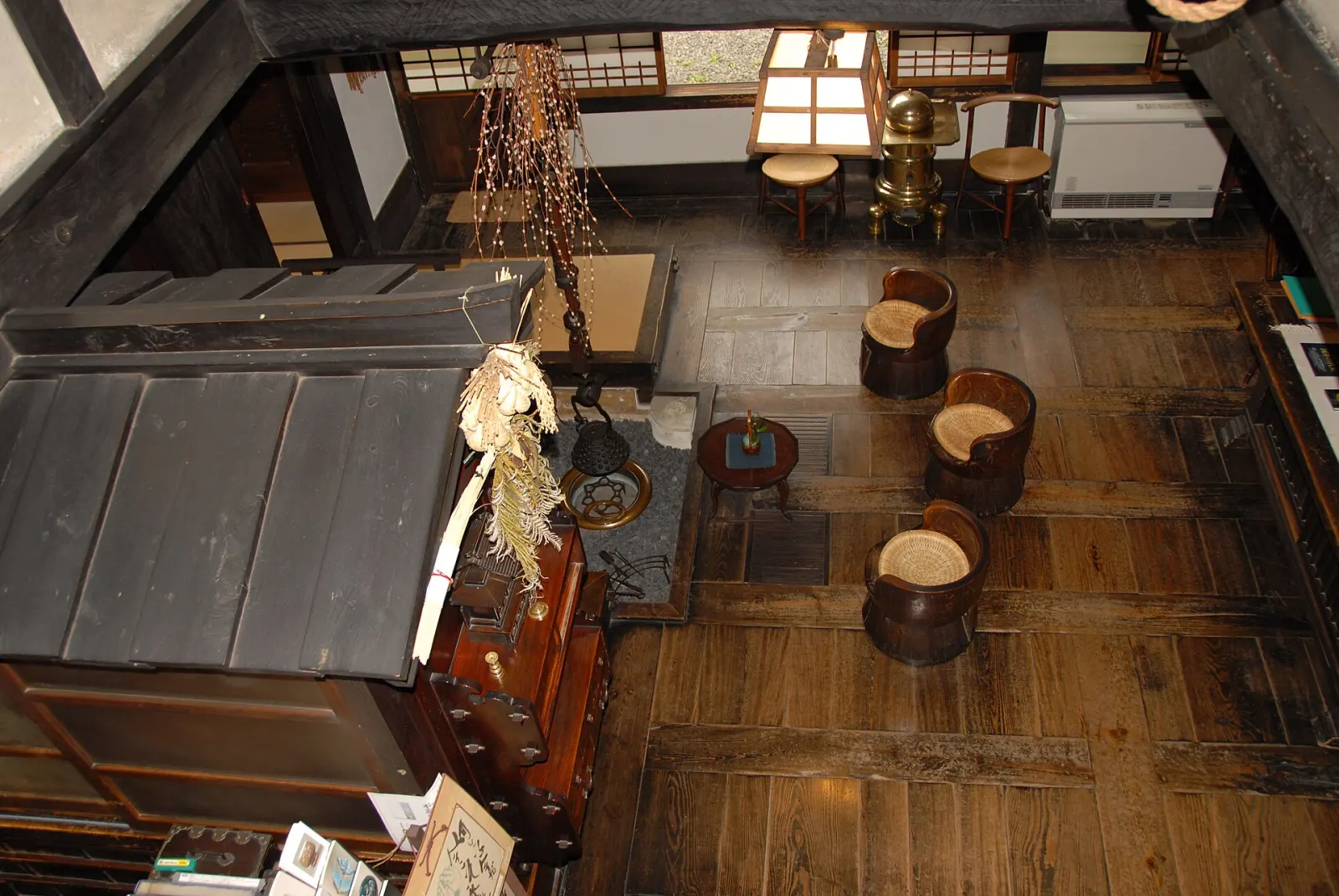
Kawai Kanjiro’s House
The home and climbing kiln of a folk-craft potter, kept the way he left it.
 Kakidai · CC BY-SA 4.0 · Wikimedia Commons
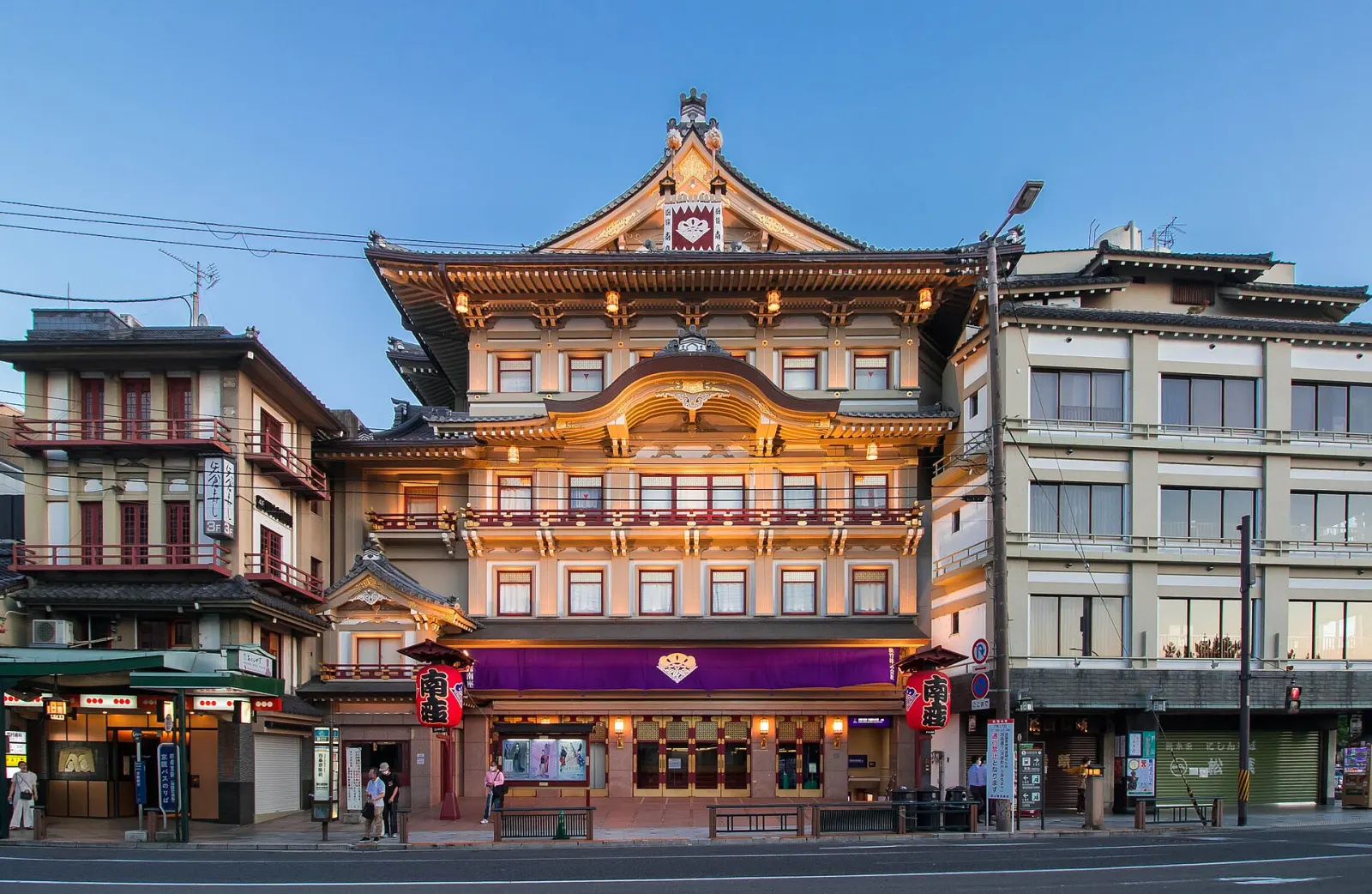
Minamiza
Kabuki started on this riverbank in the early 1600s. Minamiza is Japan’s oldest kabuki theatre.
 663highland · CC BY-SA 4.0 · Wikimedia Commons
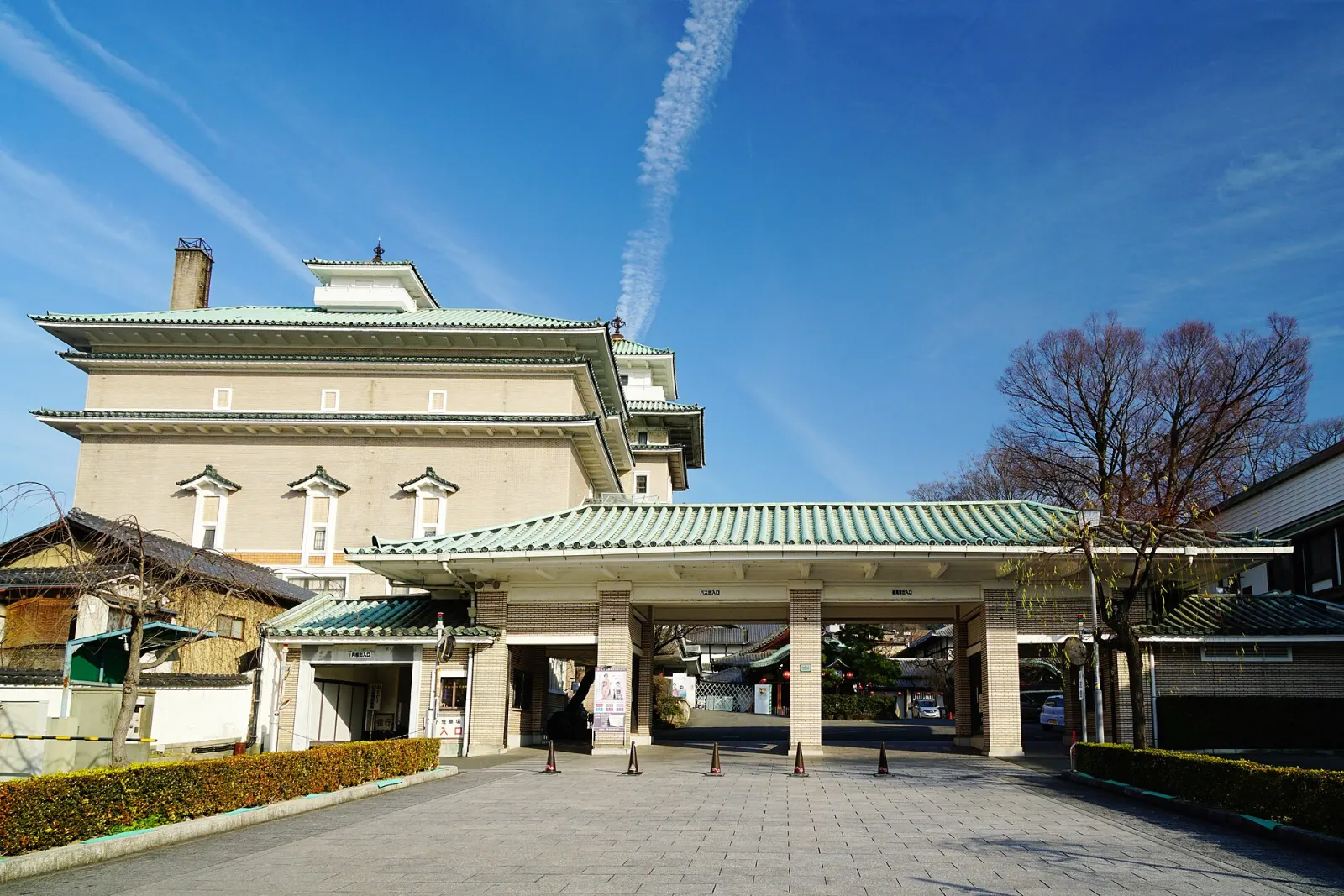
Gion Corner
Seven traditional arts on one stage in an hour: tea ceremony, koto, flower arranging, kyogen, bunraku and maiko dance.