Temple & shrine · Kyoto
Kodai-ji
高台寺
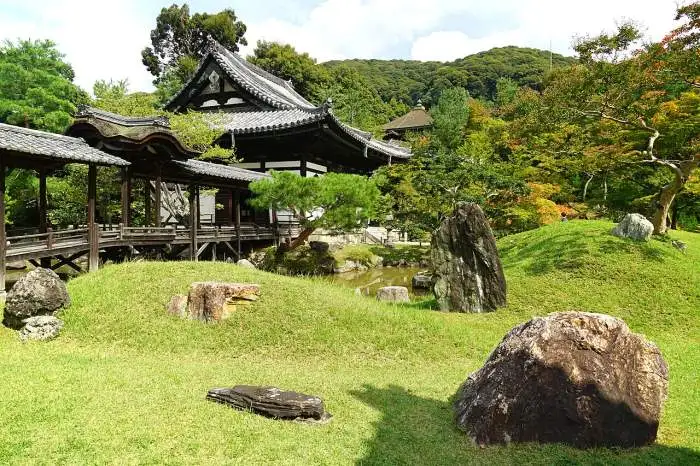
Kodai-ji was founded in 1606 by Nene (Kita-no-Mandokoro), widow of Toyotomi Hideyoshi, in his memory. It is famous for Kodai-ji maki-e, gold lacquer decoration from the Momoyama period, and for gardens linked to Kobori Enshu.
The route climbs past the pond gardens to the Otamaya, where Hideyoshi and Nene are enshrined, and through a small bamboo grove. During special night openings in spring and autumn, the gardens are lit up and the atmosphere becomes theatrical.
What to see and do
The memorial hall with gold lacquer decoration.
Pond and dry gardens designated a Place of Scenic Beauty.
A short, shaded path through bamboo.
Evening openings with lighting in spring and autumn.
What’s on
Good to know
- Night viewings are crowded; arrive when the lights come on.
- Combine with nearby Kiyomizu-dera, Ninenzaka and Gion.
More art nearby
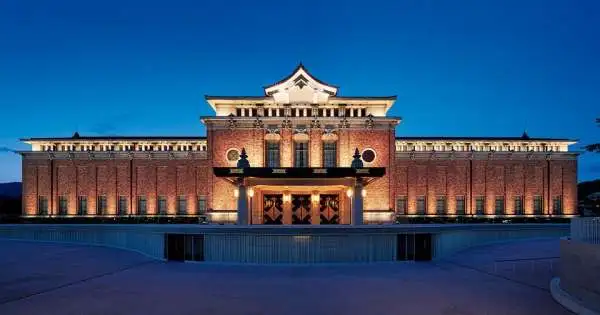
Kyoto National Museum
Treasures from Kyoto’s temples and court, in a red-brick hall that opened in 1897.
 Nicholas & Debra Jewell · CC BY 2.0 · Wikimedia Commons
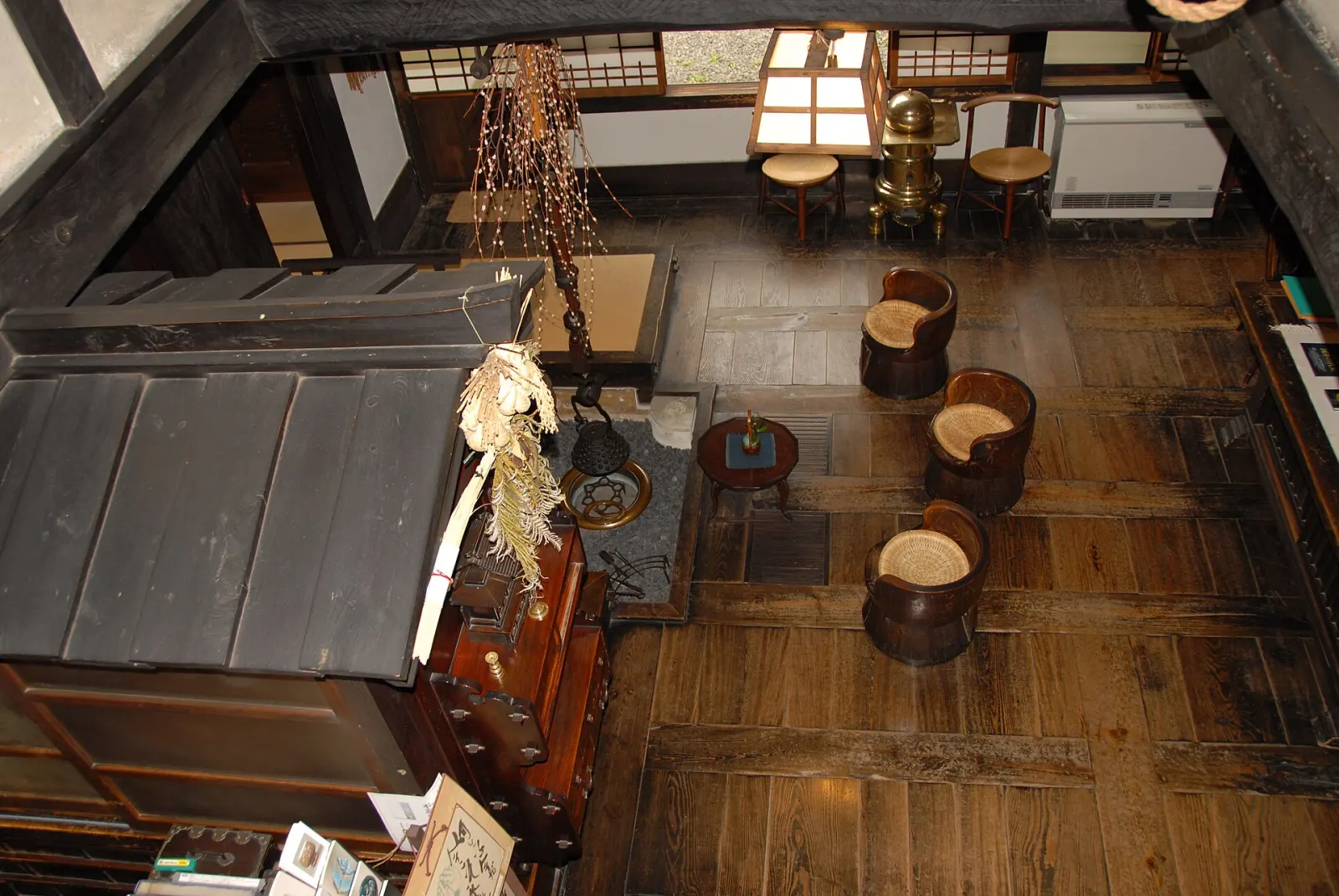
Kawai Kanjiro’s House
The home and climbing kiln of a folk-craft potter, kept the way he left it.
 Kakidai · CC BY-SA 4.0 · Wikimedia Commons
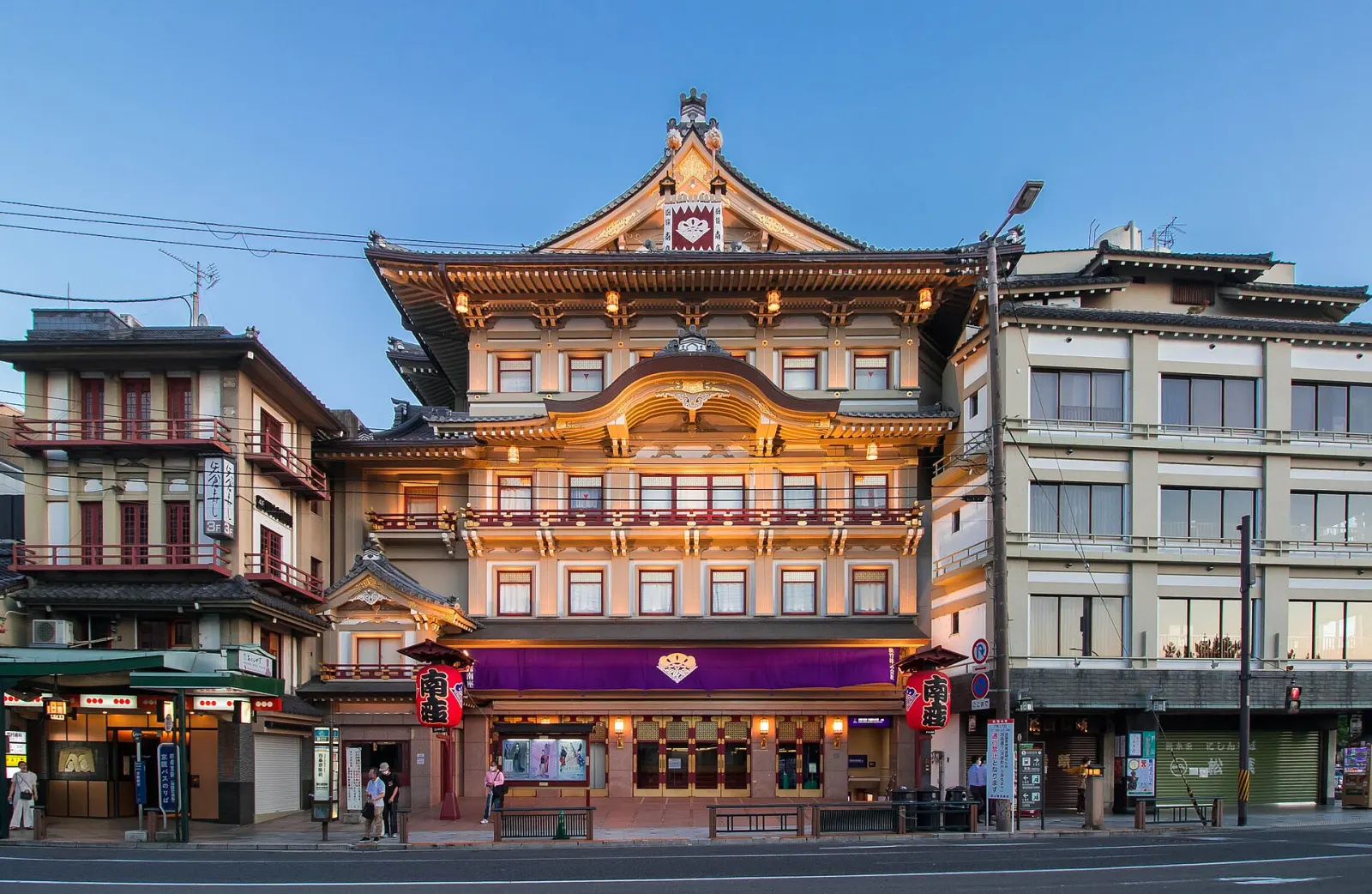
Minamiza
Kabuki started on this riverbank in the early 1600s. Minamiza is Japan’s oldest kabuki theatre.
 663highland · CC BY-SA 4.0 · Wikimedia Commons
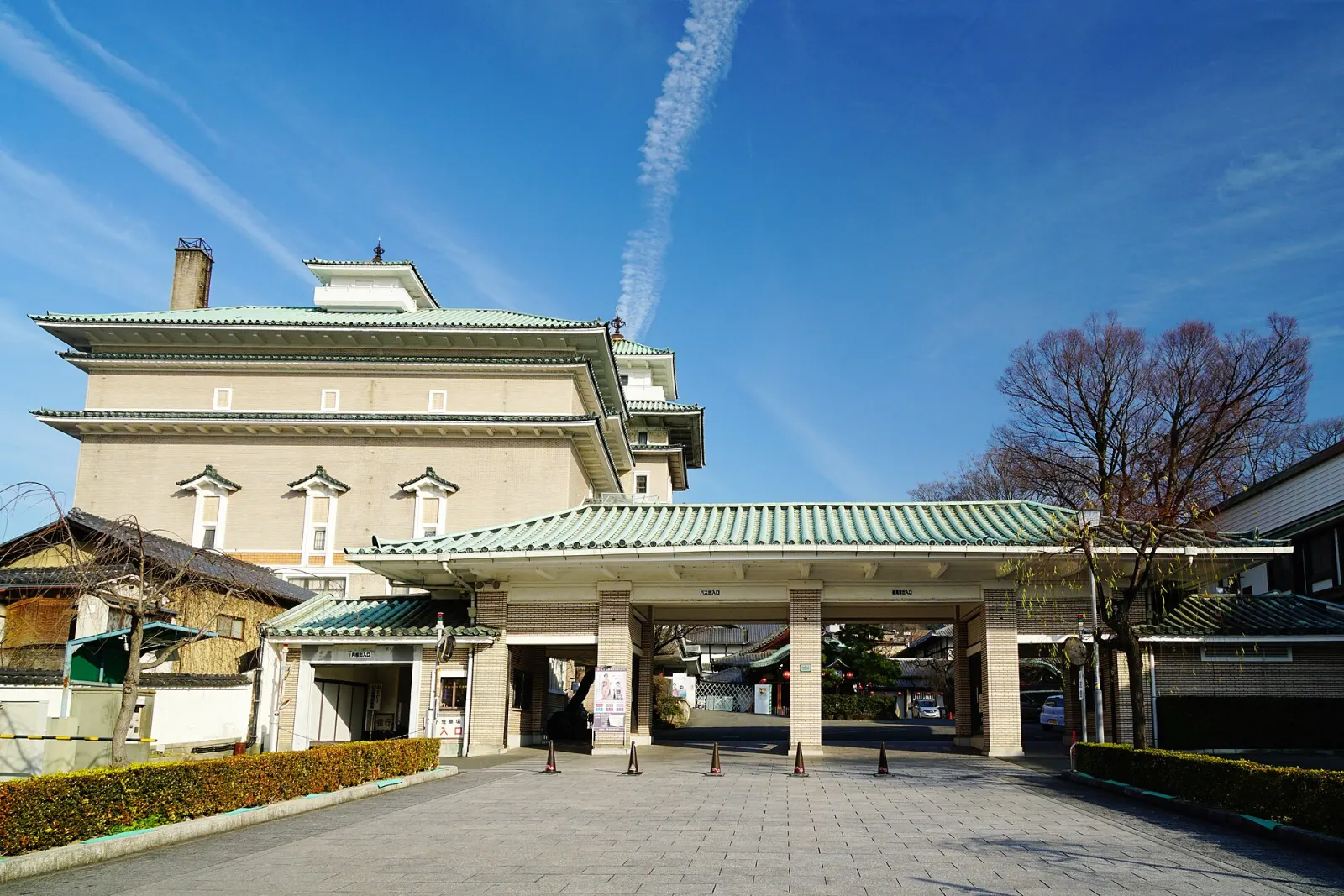
Gion Corner
Seven traditional arts on one stage in an hour: tea ceremony, koto, flower arranging, kyogen, bunraku and maiko dance.