 Kakidai · CC BY-SA 4.0 · Wikimedia Commons
Theatre · Kyoto
Minamiza
南座
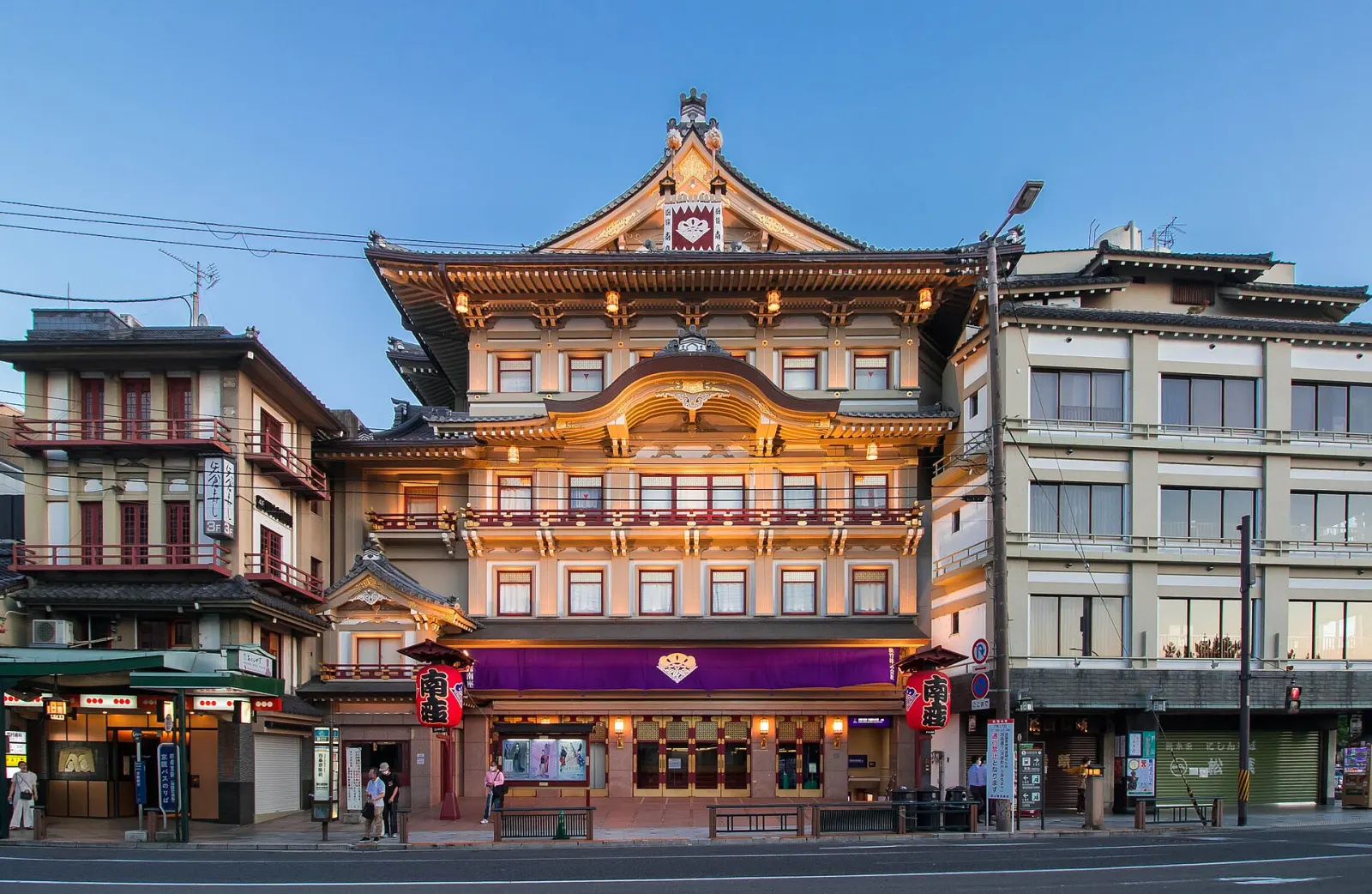
Kabuki began in the early 1600s on the banks of the Kamo River near Shijo, and Minamiza still stands on that spot at the east end of Shijo Bridge. It is regarded as Japan's oldest kabuki theatre site, and its grand gabled front is a Kyoto landmark.
The year's highlight is Kaomise in December, when stars from Tokyo and Kansai share the stage and wooden name boards (maneki) line the front of the building. Other months bring kabuki, special performances and other stage shows. Even if you don't see a show, the facade is worth a look on the way to Gion.
What to see and do
The 'face-showing' programme brings together top kabuki actors from east and west. It is the theatre's biggest event of the year.
Before Kaomise, wooden boards with the actors' names in bold calligraphy are hung across the front.
A grand theatre front at the east end of Shijo Bridge, a short walk from Gion.
What’s on
Good to know
- Kaomise tickets go on sale in early November (9 Nov for 2026) and sell fast.
- Programmes are long; check whether English guides are offered for your show.
More art nearby
Kyoto National Museum
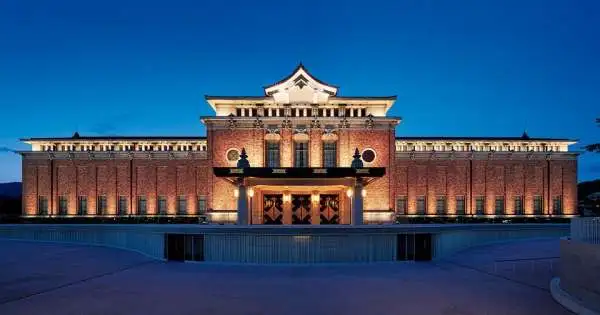
Treasures from Kyoto’s temples and court, in a red-brick hall that opened in 1897.
 Nicholas & Debra Jewell · CC BY 2.0 · Wikimedia Commons
Kawai Kanjiro’s House
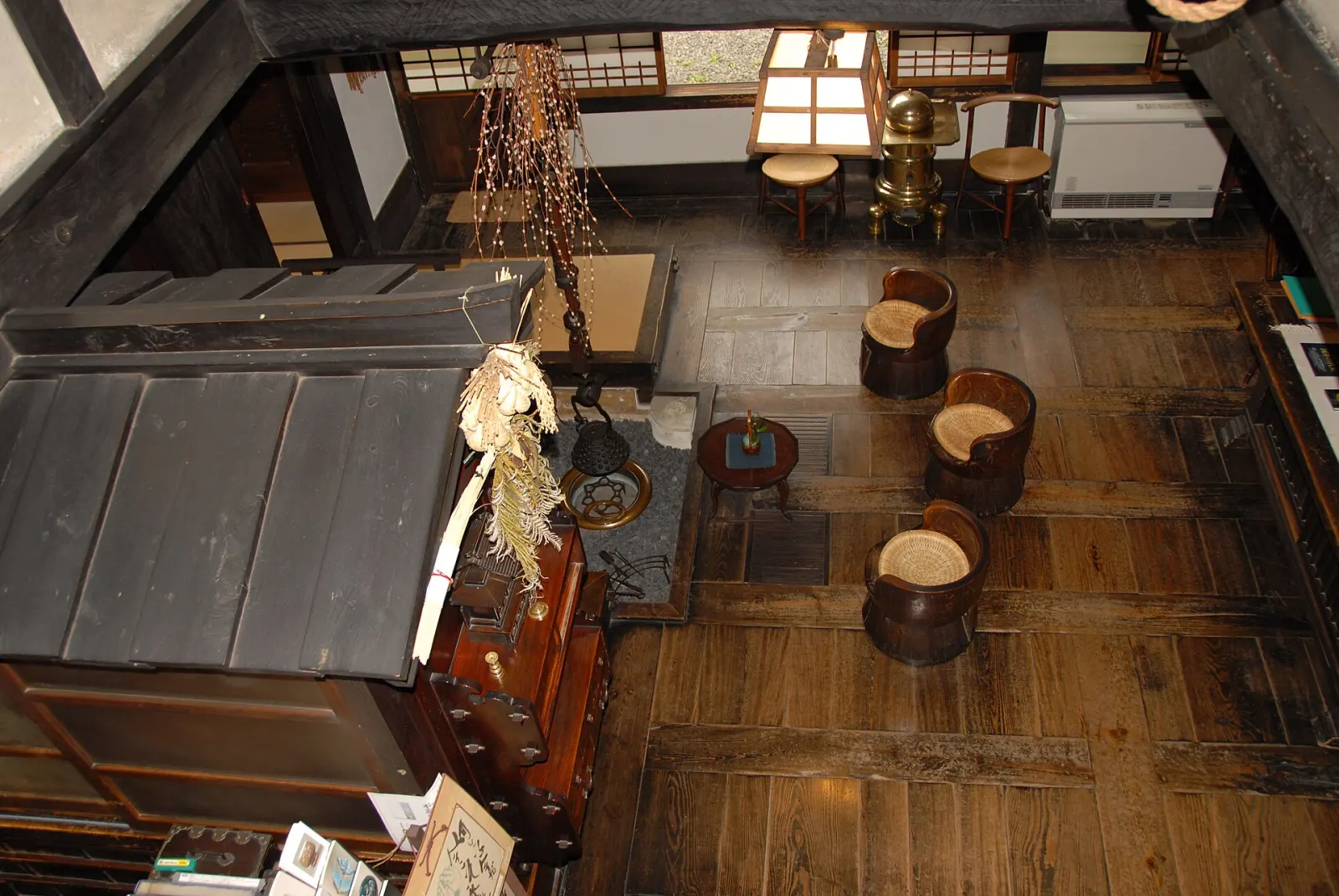
The home and climbing kiln of a folk-craft potter, kept the way he left it.
 663highland · CC BY-SA 4.0 · Wikimedia Commons
Gion Corner
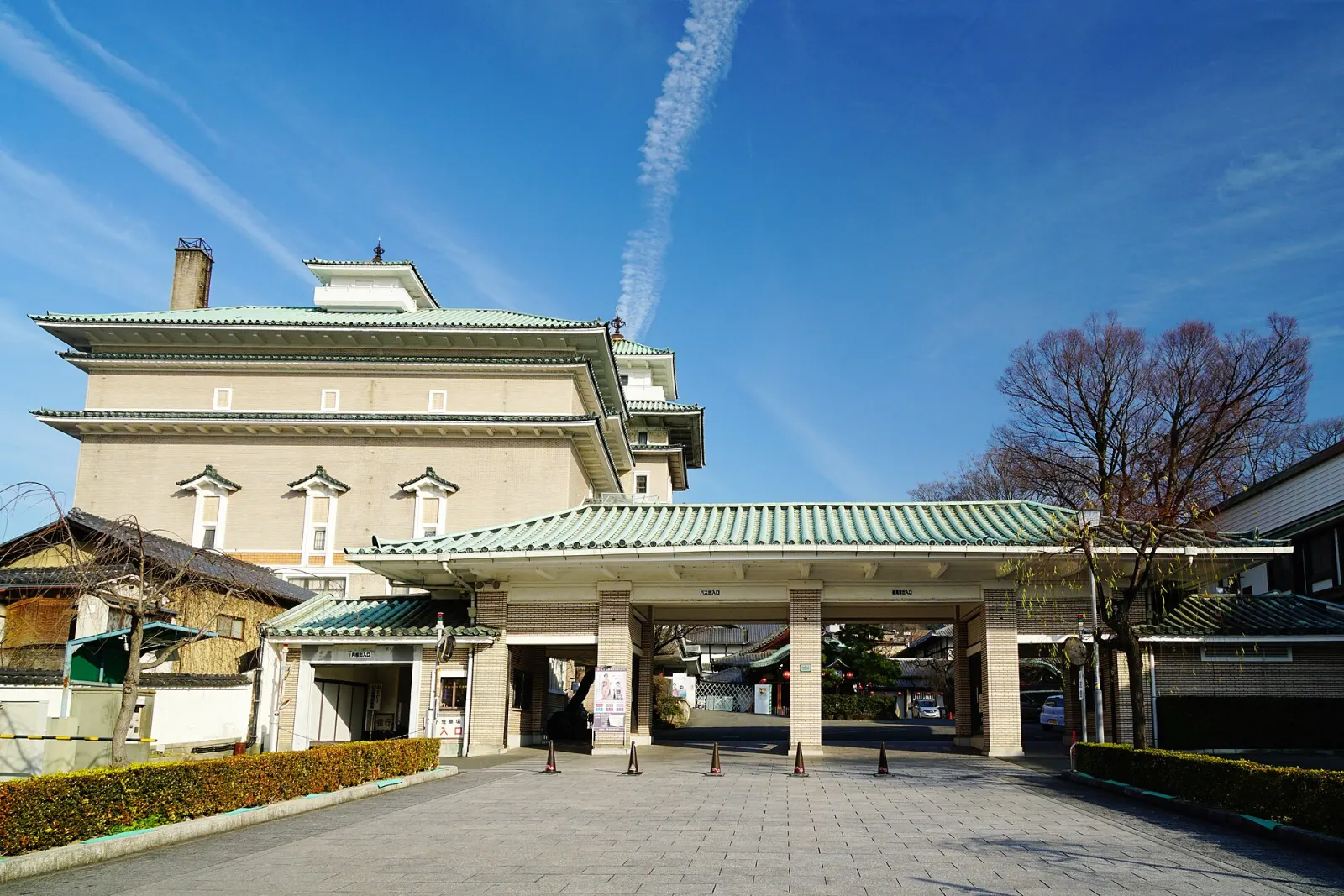
Seven traditional arts on one stage in an hour: tea ceremony, koto, flower arranging, kyogen, bunraku and maiko dance.
663highland · CC BY-SA 4.0 · Wikimedia CommonsMiyako Odori
Every April, geiko and maiko of Gion dance a spring programme on stage.