 Akonnchiroll · CC BY-SA 4.0 · Wikimedia Commons
Temple & shrine · Kyoto
Sanjusangendo
三十三間堂
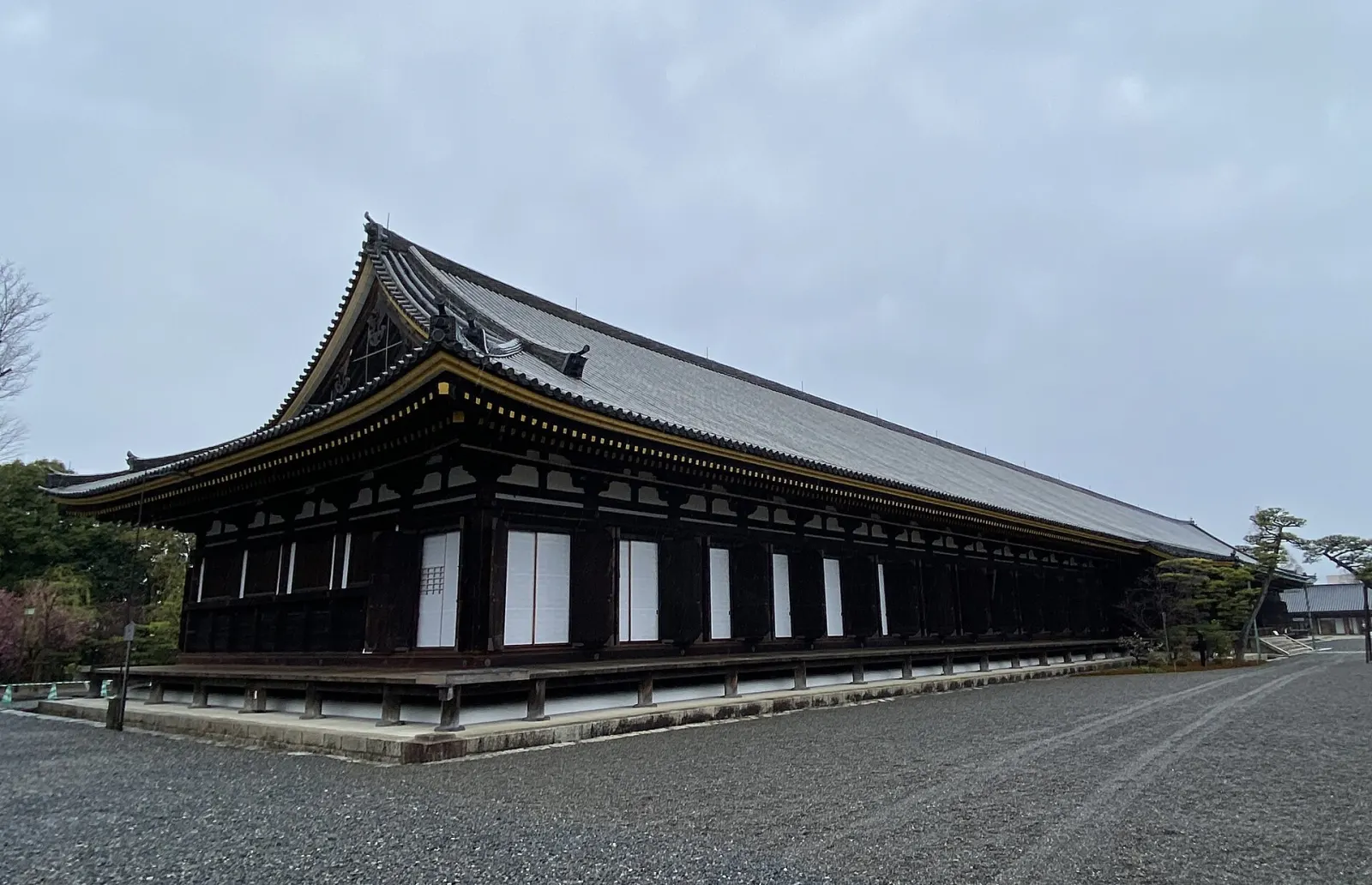
Sanjusangendo (formally Rengeo-in) is a hall about 120 metres long, rebuilt in the Kamakura period and now a National Treasure. Inside stand 1,001 statues of the thousand-armed Kannon: a large seated figure in the centre and 1,000 standing figures in long rows on either side.
Walking the length of the dim hall is unforgettable: row after row of gilded figures, each slightly different, guarded by 28 attendant deities and the wind and thunder gods. In 2018 every one of the standing statues was designated a National Treasure, and all 1,001 were brought back together in the hall.
What to see and do
The central seated Kannon and the 1,000 standing figures, all National Treasures.
Rearranged in 2018 into their original order, based on Kamakura-period records.
Screens behind the hall let you look up each statue by name and face.
A pond-and-stroll garden (re-created 2021), plus the Momoyama-period South Gate and Taiko wall, both Important Cultural Properties.
What’s on
Good to know
- Shoes come off at the hall entrance, and shoe lockers are provided; wear socks in winter, as the floor is cold.
- In January, the archery day draws young archers in kimono, and entry to the grounds is free.
More art nearby
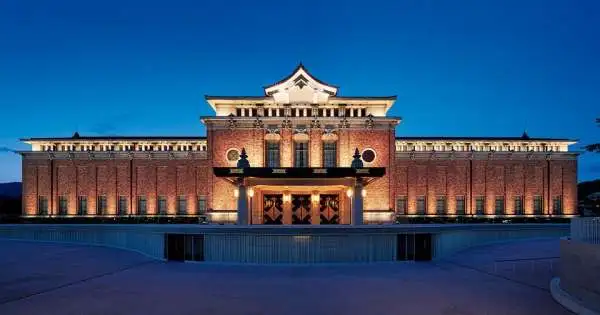
Kyoto National Museum
Treasures from Kyoto’s temples and court, in a red-brick hall that opened in 1897.
 Nicholas & Debra Jewell · CC BY 2.0 · Wikimedia Commons
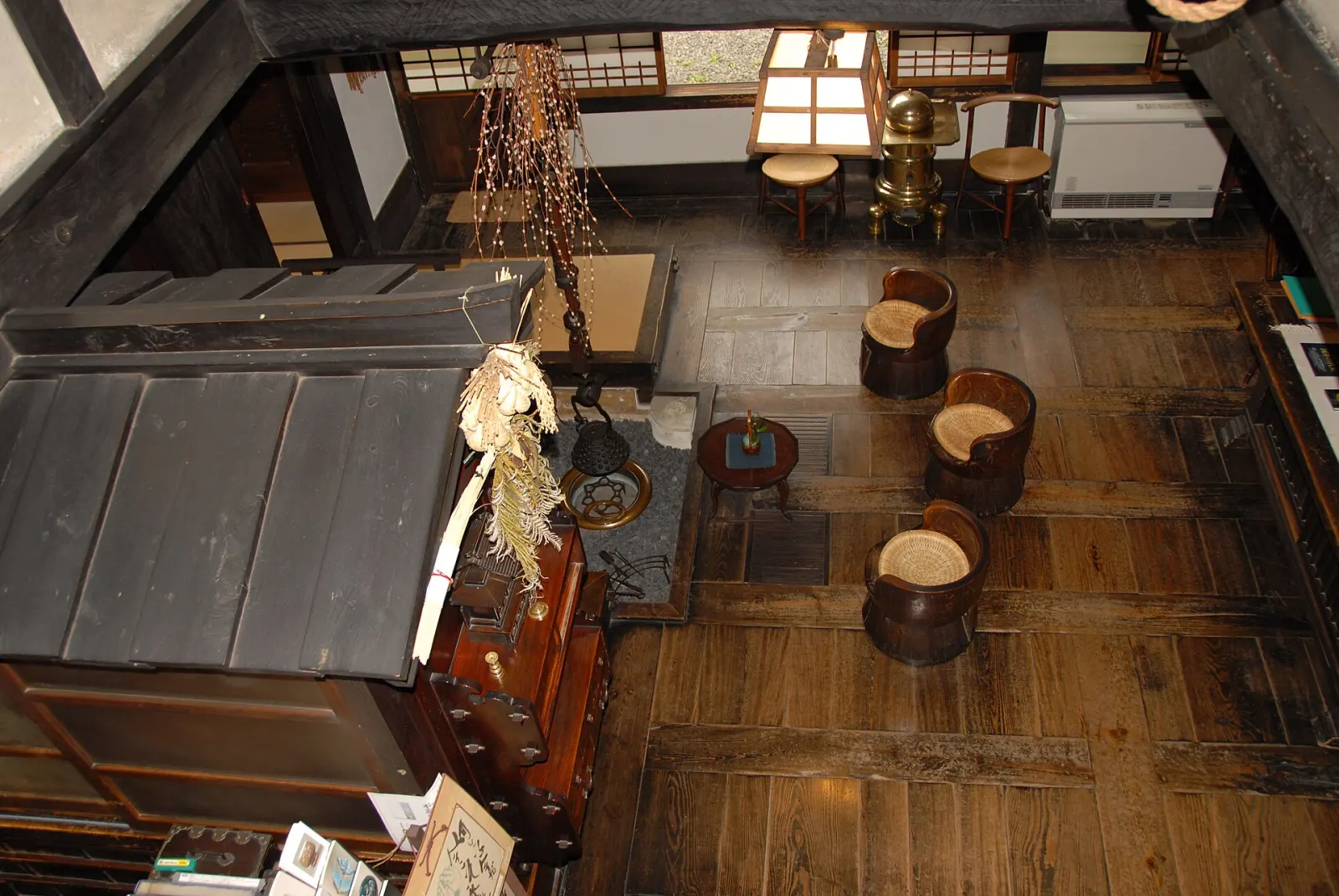
Kawai Kanjiro’s House
The home and climbing kiln of a folk-craft potter, kept the way he left it.
 Kakidai · CC BY-SA 4.0 · Wikimedia Commons
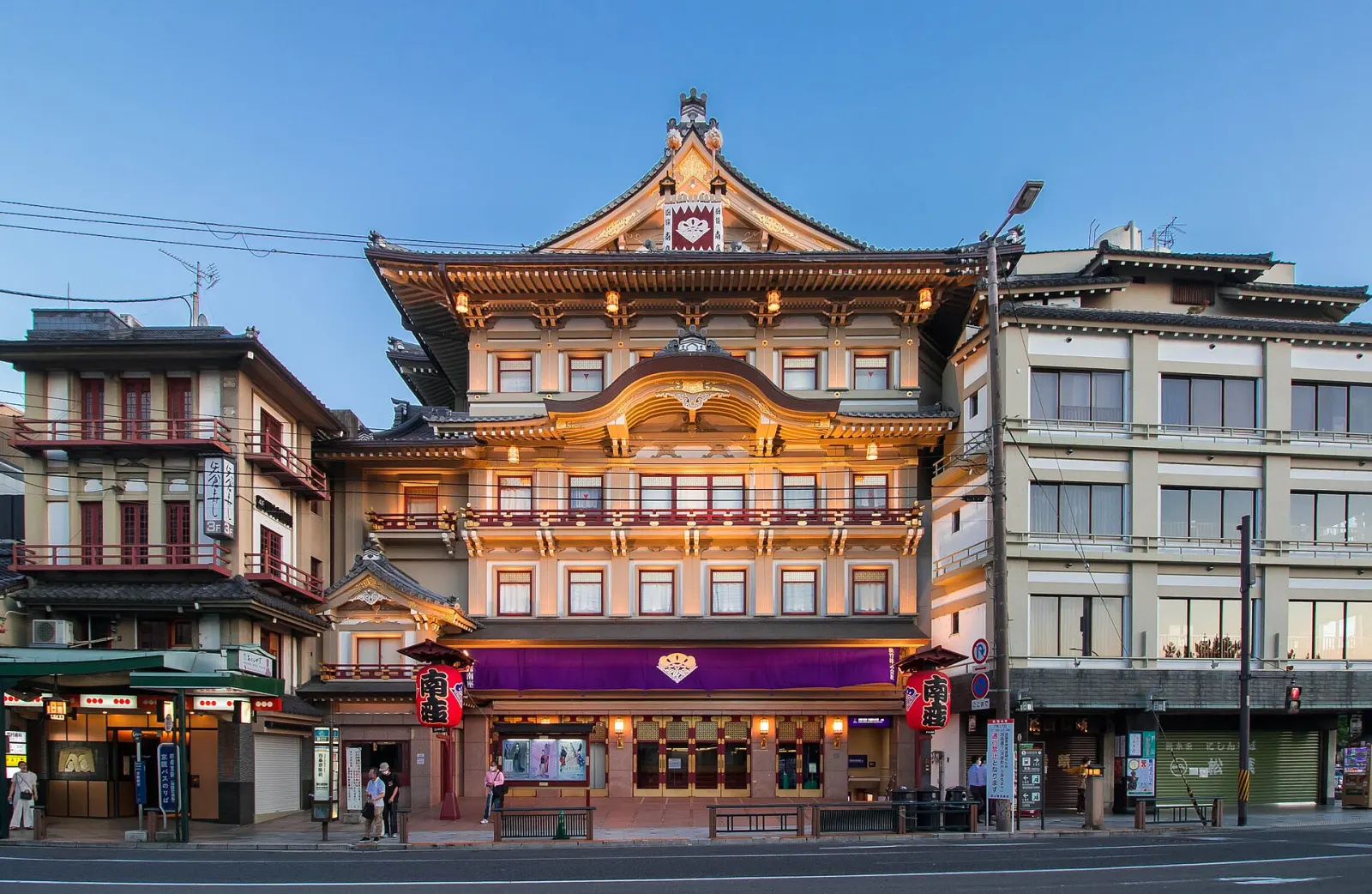
Minamiza
Kabuki started on this riverbank in the early 1600s. Minamiza is Japan’s oldest kabuki theatre.
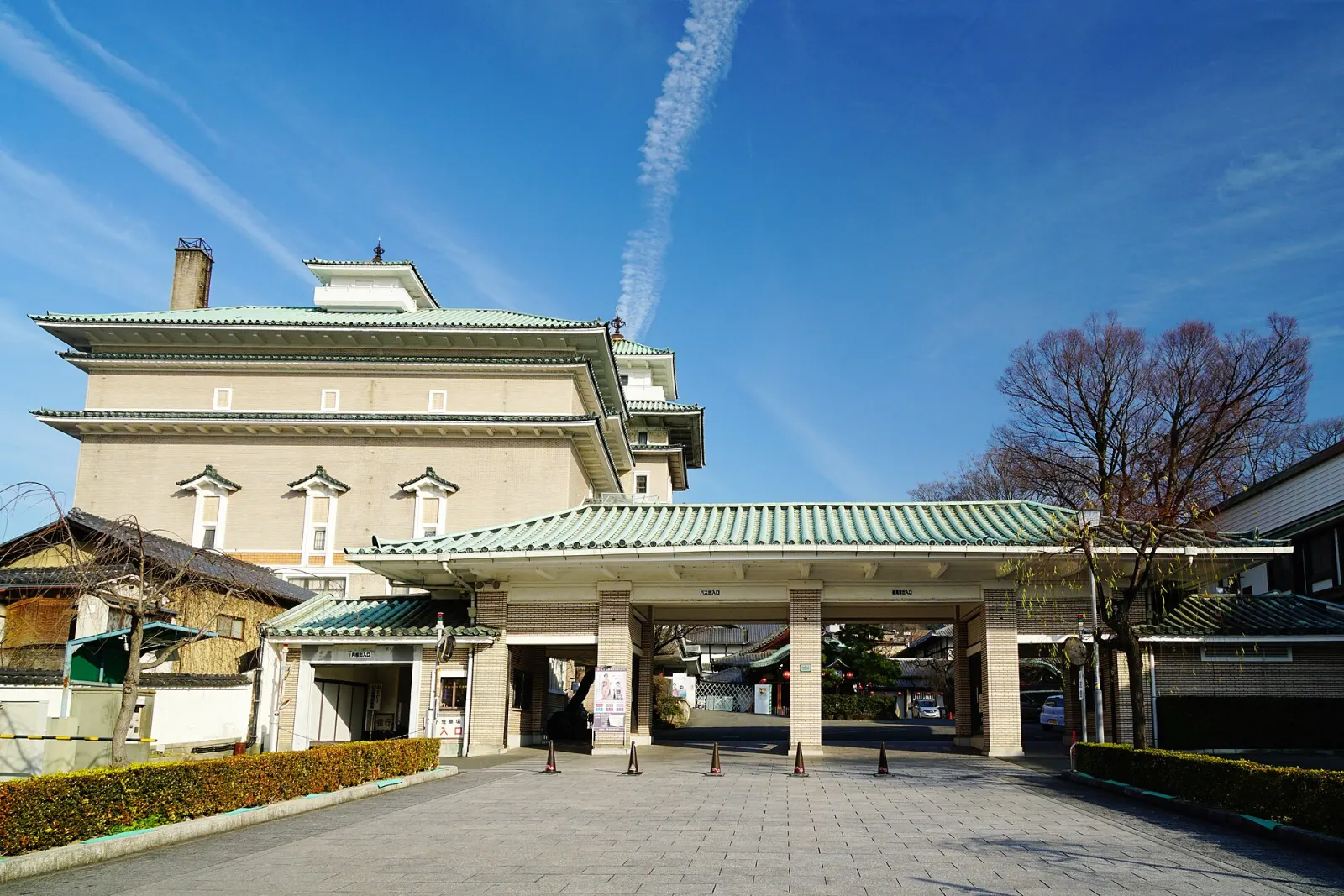 663highland · CC BY-SA 4.0 · Wikimedia Commons
Gion Corner
Seven traditional arts on one stage in an hour: tea ceremony, koto, flower arranging, kyogen, bunraku and maiko dance.