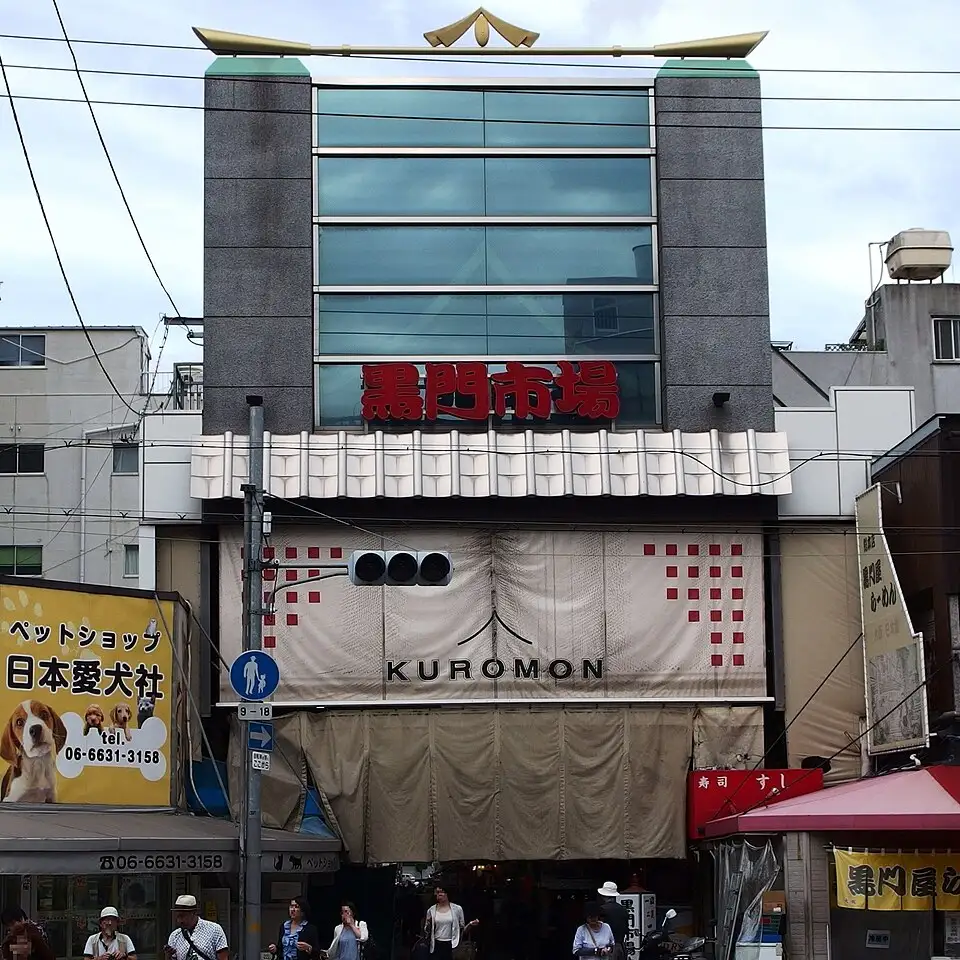
SLOW TRAVEL · OSAKA · SHOTENGAI
Osaka's shopping streets: the ones you only get once you live here
On a short trip, a shotengai is something you walk through on the way to somewhere else. Stay a few weeks and it becomes the place you go every day: tofu and greens in the morning, a coffee-shop breakfast set, a box of prepared food on the way home, a soak at the neighbourhood bathhouse. After a week or two, the shopkeepers start to recognise you. This guide is only about Osaka's shopping streets and markets — what each one feels like, what locals actually buy, when to go, and how to fit in.
The short answer
- Almost every Osaka station has a shotengai nearby, many of them covered, so rain doesn't matter. On a long stay it's where you buy food, eat, and get small errands done.
- For everyday local life: Tenjinbashisuji (about 2.6 km) and Tenma Market in the north, Tsuruhashi Market in the east, and the old arcade around Tengachaya in the south.
- Kuromon Market, Shinsaibashi-suji and Doguyasuji are central and better for browsing or specialist shopping; Karahori is a small street on a hillside, made for slow walks.
- Shop like a resident: buy little and often, lean on prepared food (sozai), ask the shopkeeper how to cook things. Many small shops prefer cash — check before you buy.
- Opening days and hours vary and many small shops close one day a week, so check before going.
Why the shotengai is the heart of daily life
- Right outside your doorshopping streets, markets and supermarkets sit by almost every station, and the city is flat enough to walk or cycle everywhere.
- One street, every errandgreengrocer, fishmonger, butcher, tofu maker, deli, bakery — plus shoe repair, key cutting and a pharmacy, often on the same strip.
- Weatherproofmany of Osaka's older shopping streets have an arcade roof, so rainy days and humid summers are no problem.
- Buy what you needsmall shops sell by the piece or by weight, which suits one or two people cooking for themselves.
- You become a regularstay long enough and people say hello. That's something a few nights in a hotel never gives you.
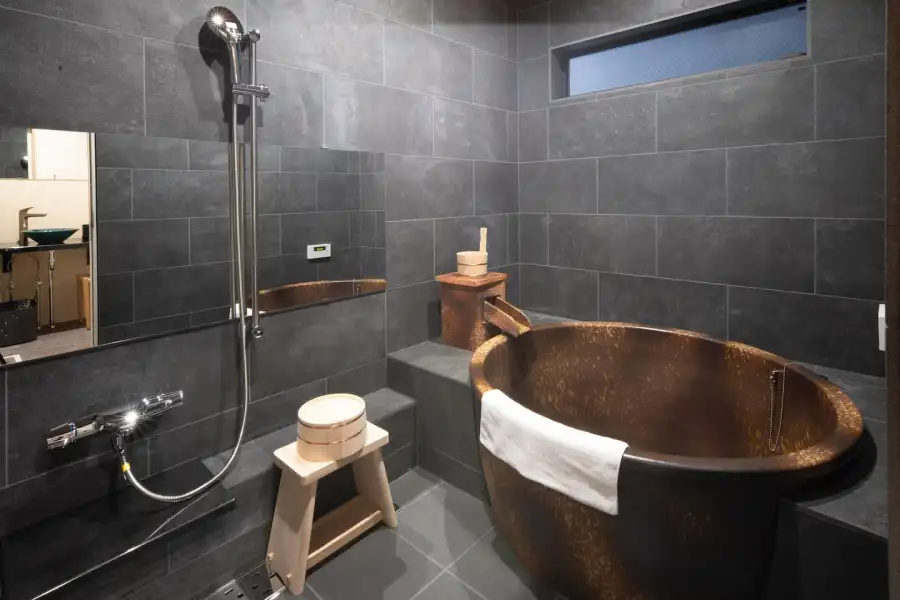
- Little rituals nearbythe old-school kissaten breakfast and the neighbourhood sento (public bath) are usually just around the corner.
Tenjinbashisuji & Tenma Market: the north side's everyday high street
The Tenjinbashisuji shopping street runs about 2.6 km from Minami-morimachi to Tenjinbashisuji 6-chome — roughly forty minutes end to end. It's where Osaka people have shopped and eaten for generations, covered almost all the way, and it feels more residential the further north you go.
Tenma Market, just off Tenjinbashisuji, is a local market for vegetables, fish and meat. After dark the Tenma area fills with tiny bars and standing counters where people stop on the way home from work.
- What locals buy: seasonal vegetables, fish, meat, prepared dishes, tofu and pickles — plus the small errands, like shoe repair and keys.
- When to go: late morning to early evening is the relaxed time for groceries; the evening belongs to the bars. Hours and closing days vary by shop, so check first.
- Make a walk of it: start with a breakfast set at a kissaten on the street, wander north towards Tenroku, and finish with a soak at a nearby sento. Nakazakicho next door — old houses turned into cafés and small shops — is a good afternoon detour.
💡 During the Tenjin Matsuri in July the area gets very busy; for a quiet grocery run, avoid the festival days.
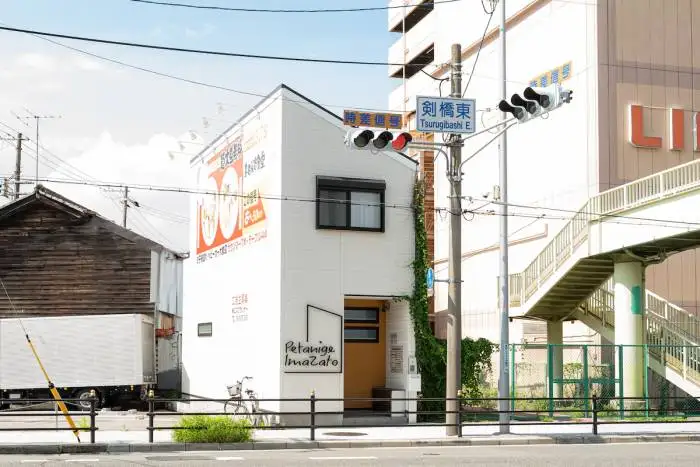
Tsuruhashi: market lanes, yakiniku and Ikuno Koreatown
Tsuruhashi Station is where the JR Loop Line, Kintetsu and the Sennichimae subway line meet. Step out and you smell charcoal grills; right beside the station is the maze-like Tsuruhashi Market selling seafood, kimchi, hanbok and fabric. Walk south towards Momodani and you reach Ikuno Koreatown.
The area and neighbouring Ikuno have a large Korean community, so Korean groceries and side dishes are easy to find. It's one of the places in Osaka that feels most like everyday life rather than sightseeing.
- What locals buy: kimchi, Korean side dishes (banchan), dried goods, seafood and the seasonings for home cooking.
- When to go: browse the market during the day; the yakiniku places are liveliest from early evening into dinner. The lanes are narrow and branch off everywhere — just wander.
- Make a walk of it: pick up a few side dishes to eat with rice at home, then find a neighbourhood sento or stroll the quiet streets around Teradacho and Momodani.
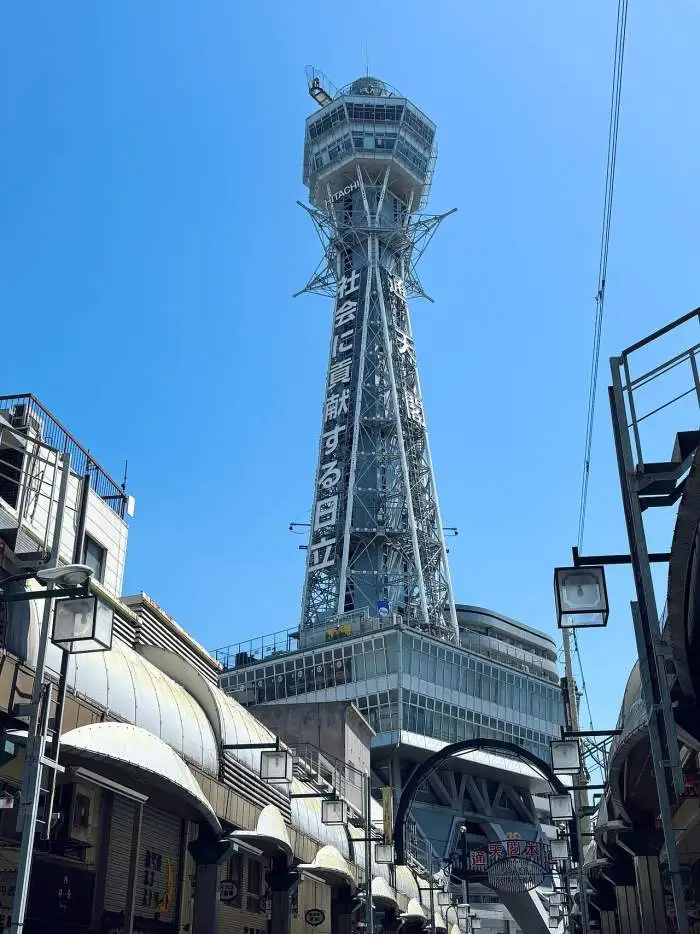
Tengachaya: an old neighbourhood arcade in the south
Tengachaya, in the south of the city, is where the Nankai Main Line meets the Sakaisuji and Yotsubashi subway lines. Namba is a few stops away, and the Nankai Rapi:t airport express stops here too.
Around the station it's classic Osaka shitamachi: a covered shopping street, diners and bathhouses that have been running for decades. Few tourists — mostly neighbours doing their shopping. It's the kind of street that quickly becomes 'my street'.
- What locals buy: daily groceries, prepared food, bread and household basics — one street covers most of it.
- When to go: mornings and late afternoons are when residents shop. Many older shops close early or on a fixed day each week, so check first.
- Make a walk of it: breakfast at an old diner or kissaten, groceries in the late afternoon, a sento on the way home, then cook. That's a very local day.
Central streets: Kuromon Market, Shinsaibashi-suji, Doguyasuji & Karahori
- Kuromon Marketseafood and street snacks, very touristy now. Fun to browse and see Osaka's fish, but for everyday groceries your local shotengai is calmer. Going earlier in the day is usually less crowded.
- Shinsaibashi-sujia long covered arcade from Shinsaibashi down to Namba — drugstores, fashion and brand shops. Good for a day off, not really a grocery street.
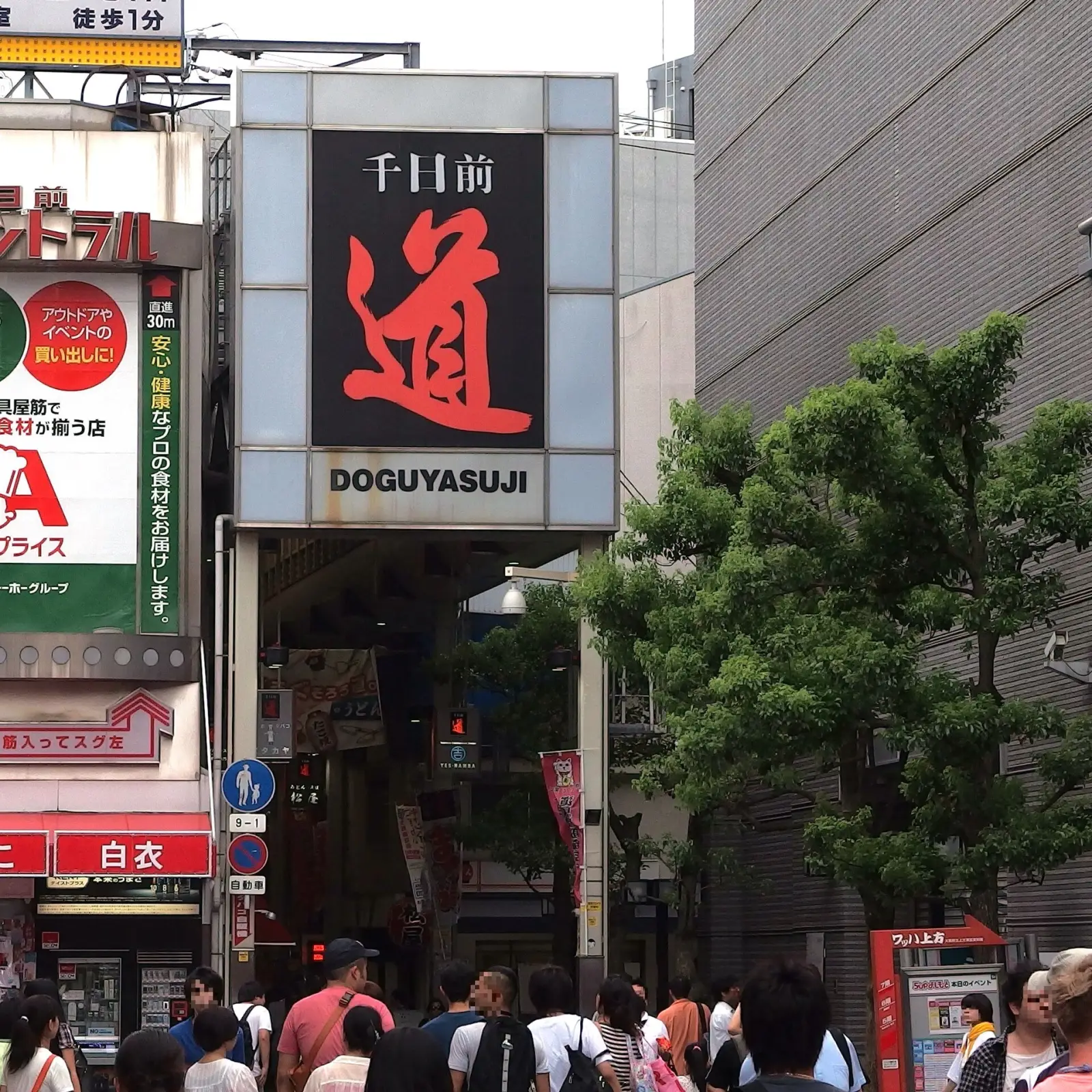
- Sennichimae Doguyasujian arcade of kitchen and restaurant supplies — knives, pans, ceramics, plastic food models. If you're cooking for weeks, this is where to find a good knife or pan.
- Karahori (around Tanimachi 6-chome)old row houses that survived the war, on gentle slopes, with a small shopping street in between. Quiet and full of character — an afternoon wander with a kissaten stop.
💡 The central streets get crowded on weekends and holidays; weekday mornings are the calm time.
How to shop like a resident
- Little and oftenno need for a weekly big shop. Stop by every day or two — fresher food, emptier fridge.
- Lean on sozai (prepared food)fried things, simmered dishes, salads, rice balls. Buy two or three, make some rice, and dinner's done on a busy workday.
- Ask the shopkeeperpoint at an unfamiliar fish or vegetable and ask how to cook it. Most are happy to explain, and will tell you what's in season.
- Cash or cardmany small shops prefer cash, while others take cards or IC/QR payments. It varies shop by shop, so check and keep some coins and small notes on you.
- Bring your own baga tote and a few small bags make shopping easier and mean less packaging to sort at home.
- Pick your regularsgo back to the same tofu shop and fishmonger. A few visits in, they'll know you — the best part of staying put.
Shotengai etiquette
- Don't block the aislethese are working streets full of bikes and shopping trolleys. Step to the side to look, chat or take photos.
- Ask before photosask before photographing a shop or its goods, and always before photographing people. Respect any no-photo signs.
- Eating while walkingsome streets and markets discourage it and some have set eating spots. Follow each street's signs and finish your snack at the stall or in the marked area.
- Look before you touchdon't handle fish, fruit or prepared food; ask the shopkeeper if you want to choose.
- Take rubbish with youbins are rare, so carry wrappers home and sort them there.
- Mind the hoursmany small shops close early, close one day a week, or close on holidays — check before going.
A one-week shotengai routine
A suggested rhythm for a few weeks in Osaka. Swap in whichever shotengai is closest to where you stay.
| Morning | Afternoon | Evening | |
|---|---|---|---|
| Mon | Stock up on basics at your local shotengai | Find your deli and tofu shop | Two or three sozai for dinner |
| Tue | Kissaten breakfast set | Work or rest at home | Neighbourhood sento on the way back |
| Wed | Groceries at Tenma Market | Slow walk north along Tenjinbashisuji | A drink at a small bar in Tenma |
| Thu | Top-up shop on your local street | Wander Karahori's slopes and small street | Cook at home |
| Fri | Kimchi and side dishes at Tsuruhashi Market | Explore Ikuno Koreatown | Yakiniku in Tsuruhashi |
| Sat | Kuromon Market, early | Shinsaibashi-suji and Doguyasuji for kitchenware | Cook a proper dinner |
| Sun | Sleep in | Aimless stroll; find a new shop | Clear the fridge, plan next week |
Opening days and hours vary and many small shops close one day a week; check before you go.