SLOW TRAVEL · OSAKA & KYOTO · LIVING
Living in Osaka and Kyoto for a month: rubbish, sento, laundry, transport, doctors and more
On a short trip the hotel handles everything. Stay a month and you'll take out the rubbish, do laundry, shop for groceries and maybe find a doctor. Get these small things right and slow travel becomes genuinely easy. We run homes in Osaka and Kyoto; these are the questions our guests ask most. For anything specific to your home, the house rules you receive at check-in come first.
The short answer
- Rubbish: Japan sorts carefully. Follow the categories and collection days in your house rules; if you're unsure, keep it inside and ask us.
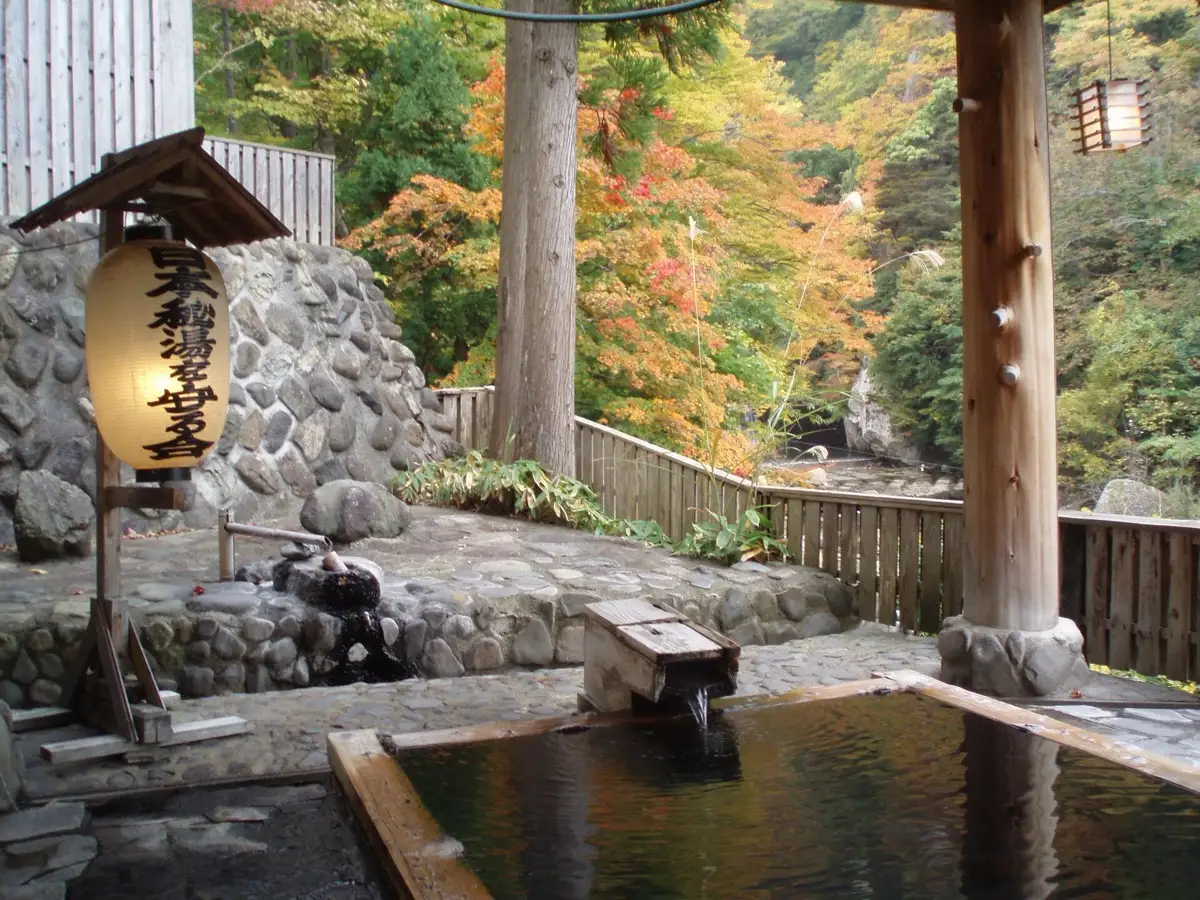
- Sento: wash at the showers before getting in, keep your towel out of the water, and check the tattoo policy first.
- Laundry: use the washer at home if there is one; coin laundries nearby are great for drying and big items.
- Transport: get an ICOCA card — it works on trains, subways and buses across Osaka and Kyoto, and in convenience stores.
- If you're unwell: drugstores for minor things; for a doctor, message us or call the Japan Visitor Hotline 050-3816-2787 (24 hours, multilingual). Ambulance: 119.
Rubbish: the one thing to get right
Japanese rubbish is sorted by type and put out on set days, before a set time, at a set spot. Osaka and Kyoto differ (Kyoto requires city-designated bags) and each home has its own arrangement, so follow your house rules.
- Burnablefood waste, paper scraps — usually collected twice a week.
- Recyclablescans, bottles and PET bottles, rinsed and separated.
- Plastic packagingitems marked プラ go separately.
- Not surekeep it inside and ask us rather than leaving it out.
- Check-outyour house rules explain what to do with rubbish if collection day hasn't come.
💡 Wrongly sorted rubbish causes real trouble for neighbours. It's the single most important thing on a long stay.
Sento: the most local thing you'll do
- Bringa towel, shampoo and body wash (many sento rent or sell them).
- Wash firstsit at the shower stations and wash before getting in; tie up long hair.
- Towelkeep it out of the bath — on your head or at the edge.
- Tattoossome sento and onsen don't admit guests with tattoos; check before you go.
- Drying offdry yourself before walking back into the changing room.
Laundry and coin laundries
- Washer at homefor two weeks or more, choose a home with a washing machine — it's on each card and in the amenities.
- Coin laundries (コインランドリー)washers, dryers and washer-dryers; dryers are fast and a lifesaver in rainy season and winter.
- Detergentmany machines add it automatically (洗剤自動投入).
- Big itemsbedding and coats fit the large machines.
- Finding oneour neighbourhood pages list the nearest coin laundries and walking minutes.
Groceries: shopping streets, supermarkets and markdowns
- Shopping streetsbuy just what you need from greengrocers, fishmongers, butchers and tofu shops.
- Supermarketsfrom early evening, ready meals and bento often get discount stickers.
- Convenience storesopen 24 hours — hot food, coffee, ATMs, bill payments and parcels.
- 100-yen shopscontainers, hangers, stationery and other small things.
- Bagsusually extra; carry your own.
- Paymentcards and IC cards work widely, but small shops and clinics may be cash-only. No tipping anywhere.
Transport: one card for the region
- ICOCAJR West's IC card works on JR, subways, private railways and buses in Osaka and Kyoto, and in convenience stores. Buy and top up at station machines.
- On your phonesome phones can add a transit card to the wallet app — check your phone and the official information.
- Kyoto busesvery crowded in peak season — use trains where you can; follow the on-board signs for doors and payment.
- Last trainsmostly around midnight.
- AirportNankai and JR run direct from Osaka to Kansai Airport; the JR Haruka runs direct from Kyoto.
Cycling: easy, but follow the rules
- Rentalseasy to find in most neighbourhoods; ask us whether your home has a bike.
- Parkingalways use bicycle parking — bikes left by stations and shopping streets are removed, especially in central Kyoto.
- Rulesride on the left; no phones or umbrellas while riding; lights at night; no cycling after drinking.
- Helmetswearing one is encouraged, especially with children.
Phones, internet and parcels
- Internethomes generally have Wi-Fi; an eSIM is easiest when you're out.
- Working remotelyif you need reliable video calls, ask us about your home's connection before booking.
- Sendingconvenience stores handle domestic parcels; post offices send international parcels (EMS and others).
- Luggageforward big bags to the airport by courier.
If you get sick
- Minor thingsdrugstores carry cold, stomach and fever remedies; pharmacists can help you choose.
- Seeing a doctorclinics (クリニック) may need an appointment or a queue ticket; bring your passport and insurance details — many are cash-only.
- Help in your languagethe Japan Visitor Hotline 050-3816-2787 (Japan National Tourism Organization, 24 hours, multilingual) can help you find a hospital.
- Emergencies119 for an ambulance or fire, 110 for police.
- Travel insuranceessential on a long stay — medical costs are high without Japanese health insurance.
- Ask us firstmessage our support (9:00–23:00 Japan time) and we'll help you find the nearest clinic.
Weather, seasons and earthquakes
- Rainy seasonroughly June to mid-July — bring an umbrella; coin-laundry dryers come into their own.
- SummerJuly and August are hot and humid; typhoons mostly come in August and September.
- Winterlittle snow in Osaka or Kyoto, but Kyoto mornings and evenings are cold — learn the heating controls.
- Earthquakesevacuation info is in your house rules; install the JNTO's official Safety tips app for multilingual earthquake and tsunami alerts.
- If it shakesprotect your head, get under a table, and don't rush outside.
A few useful Japanese phrases
- Sumimasenexcuse me / sorry — for getting attention or squeezing past.
- Kore kudasaithis one, please.
- Fukuro irimasenI don't need a bag.
- Atatamete kudasaiplease heat it up (convenience-store bento).
- Arigatou gozaimasuthank you.
- Daijoubu desuI'm fine / no thanks.
💡 Our support speaks English, Chinese, Japanese and Korean — if something's hard to explain in Japanese, just message us.