SLOW TRAVEL · KYOTO
Slow travel in Kyoto: why it rewards a longer stay, and which neighbourhoods to live in
On a short trip, Kyoto can feel like queues and crowds. Stay a month and you see the other city: empty shrines at 7 a.m., locals walking along the Kamo River, flea markets on the same day every month, hillsides changing colour week by week. Kyoto is compact and flat, laid out on a grid, so it doesn't take long to feel at home. We run homes in Kyoto and Osaka — this is the guide we'd give a friend coming for a month.
The short answer
- Kyoto rewards slow travel: its best moments — quiet temples early in the morning, monthly markets, the turn of the seasons — are hard to catch in a weekend.
- The city centre is flat and laid out on a grid, so a bicycle gets you almost everywhere. Osaka is about 30 minutes away, and Nara, Uji and Lake Biwa are easy day trips.
- Many passports (including the US, UK, most of the EU and Australia) can visit Japan visa-free for up to 90 days; Japan also has a 6-month digital nomad visa for eligible higher earners. Check the official rules for your passport.
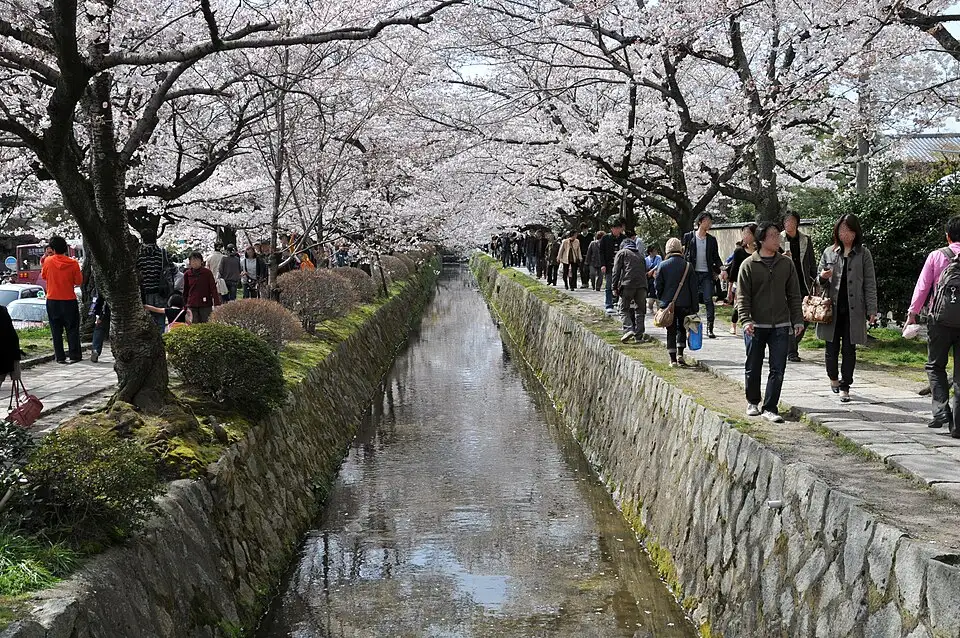
- Cherry-blossom season (late March–early April) and autumn leaves (November) are busy. If you stay longer, go out early and on weekdays and you'll have famous places almost to yourself.
Why Kyoto rewards a longer stay
- The seasonsa month is long enough to watch the blossom come and go, or the maples turn from green to red.
- Temples and shrines as everyday lifethere are so many that some are simply part of residential streets. Early mornings, it's just you and the locals.
- Bike-friendlyflat, grid-shaped streets make cycling easy. Park only in paid bicycle parking — bikes left on the street in central Kyoto get removed.
- Monthly marketsToji's Kobo-ichi (21st of each month), Kitano Tenmangu's Tenjin-ichi (25th) and the handmade market at Chion-ji (15th) — antiques, old kimono, crafts and street food.
- A student citylots of universities means bookshops, cafés and cheap eateries alongside the famous restaurants.
- Well connectedOsaka is about 30 minutes away; Nara, Uji and Otsu on Lake Biwa are all within about an hour.
How long can you stay?
Visitors from many countries — including the US, UK, most of the EU, Canada and Australia — can enter Japan visa-free as temporary visitors for up to 90 days. Japan's digital nomad visa allows up to 6 months for remote workers from eligible countries with an annual income of at least ¥10 million and private health insurance.
Rules depend on your passport and can change, so check the Immigration Services Agency of Japan or a Japanese embassy before you book.
Working remotely from Kyoto
- Wi-Fi and a deskcheck each listing's amenities and photos, or ask us before booking if you need fast, stable internet for calls.
- Coworkingday-pass spaces cluster around Kyoto Station and the Shijo–Karasuma business district.
- CafésKyoto has a strong café and bakery culture, from old-school kissaten to specialty coffee — easy places for an hour of email.
- Time zoneUTC+9, no daylight saving.
Eat: Kyoto's food, from tofu to ramen
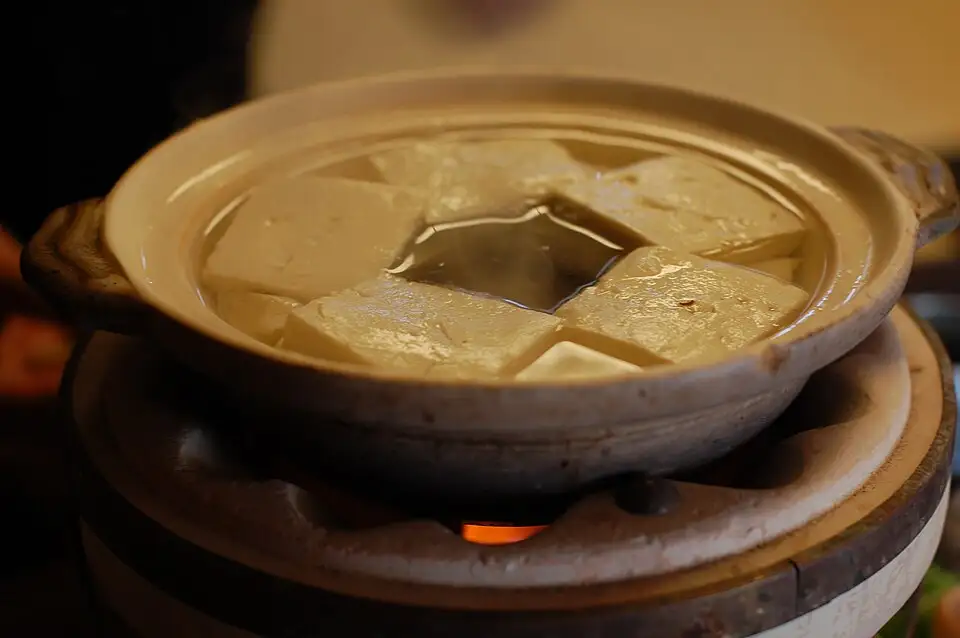
Kyoto is far from the sea and was the capital for over a thousand years, so its cooking is about ingredients and broth: tofu and yuba made with soft local water, heirloom Kyoto vegetables, pickles, and wagashi sweets made for the tea ceremony.
There's an everyday side too: ramen shops, set-meal diners, bakeries and coffee, and sake from the breweries of Fushimi.
| Food | What it is | Where to try it |
|---|---|---|
| Yudofu & yuba | Simmered tofu and tofu skin; best in winter | Around Nanzenji and Sagano |
| Kyoto vegetables & tsukemono | Heirloom vegetables like Kujo leeks, and pickles | Nishiki Market, neighbourhood greengrocers |
| Wagashi & matcha | Seasonal sweets for tea; matcha from Uji | Old shops around Gion and Shijo; Uji |
| Ramen | Rich chicken-based styles; the Tenkaippin chain started in Kyoto | Ichijoji's ramen street, around Kyoto Station |
| Saba-zushi | Pressed mackerel sushi, a Kyoto tradition | Old sushi shops, department-store food halls |
| Kissaten & bakeries | Old-style coffee houses and morning sets | Sanjo, Shijo and Demachiyanagi |
| Fushimi sake | Sake breweries with tastings | Fushimi-Momoyama and Chushojima |
Opening hours change often — check before you go.
Do: Kyoto at your own pace
- Go early: the Fushimi Inari torii trail is open all day and night — at dawn it's nearly empty. Kiyomizu-dera and the Arashiyama bamboo grove are best first thing too.
- The Kamo River: locals walk, run and picnic along its banks; at the Kamo River delta by Demachiyanagi you can hop across on stepping stones.
- Walk the Philosopher's Path from Ginkakuji towards Nanzenji.
- Run or cycle around the Kyoto Imperial Palace gardens and Nijo Castle.
- Festivals: Aoi Matsuri (May), Gion Matsuri (July), the Gozan bonfires (16 August) and Jidai Matsuri (October).
- Sento: neighbourhood bathhouses are a very local way to end the day.
- Day trips: Osaka, Nara, Uji, Lake Biwa, and the mountain villages of Kurama and Kibune.
Shop: markets and crafts
- Nishiki Market: "Kyoto's kitchen" for vegetables, pickles and fish — go early, it gets busy.
- Teramachi & Shinkyogoku: covered arcades with paper, fans, incense and second-hand books.
- Shijo-Kawaramachi and Kyoto Station: department stores and food halls for everyday shopping.
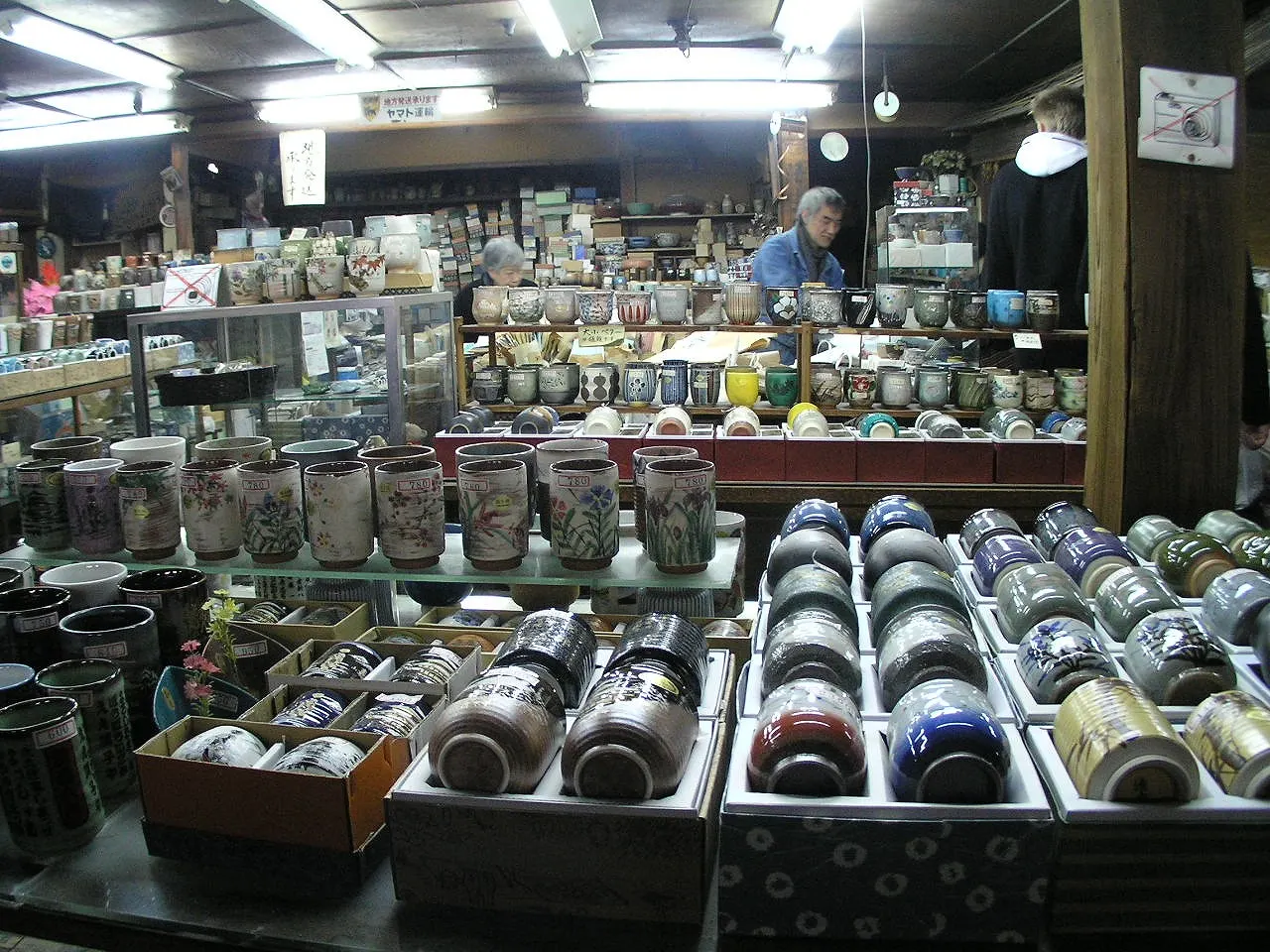
- Gojozaka near Kiyomizu: Kiyomizu-yaki pottery.
- The monthly temple markets (21st, 25th, 15th) for antiques and handmade goods.
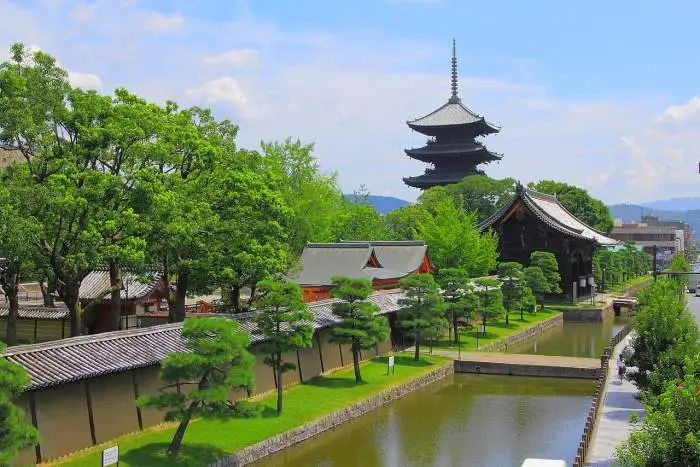
South of Kyoto Station & Toji: the practical base
Kyoto Station connects JR, the subway and Kintetsu, so Osaka, Nara and Kansai Airport are all easy. South of the station, around Toji temple, it's quiet and residential.
Toji's five-storey pagoda is a Kyoto landmark, and its Kobo-ichi market on the 21st is one of the city's biggest.
We have 6 whole homes in this area (listed below).
💡 Good for: first-timers, families and anyone with luggage or frequent trips to Osaka and Nara.
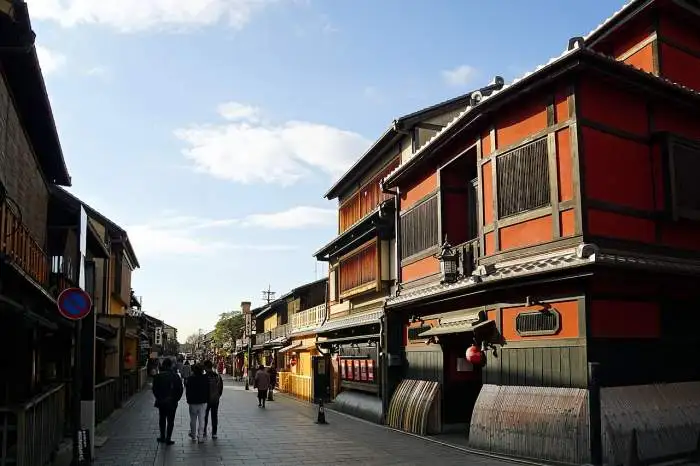
Higashiyama, Kiyomizu-Gojo & Tofukuji: living inside the postcard
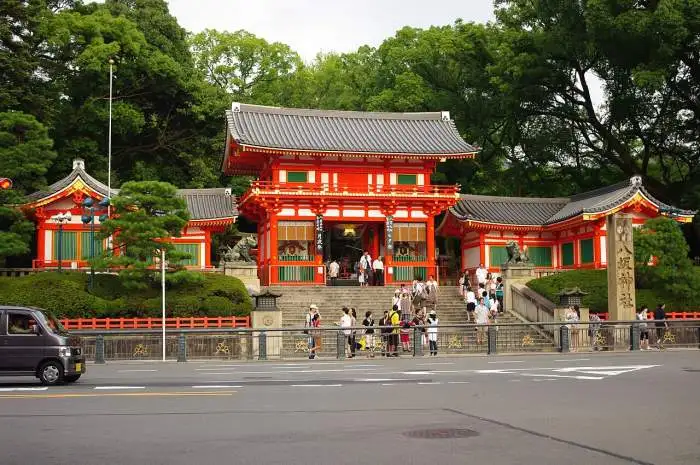
Kiyomizu-dera, Yasaka Shrine and Gion are all in Higashiyama — stone lanes and old townhouses. Busy by day, quiet early and late.
To the south, Tofukuji is famous for autumn colour but calm the rest of the year, with Keihan trains to Gion and Fushimi Inari.
We have 4 whole homes in this area (listed below).
💡 Good for: early risers who want classic Kyoto on the doorstep.
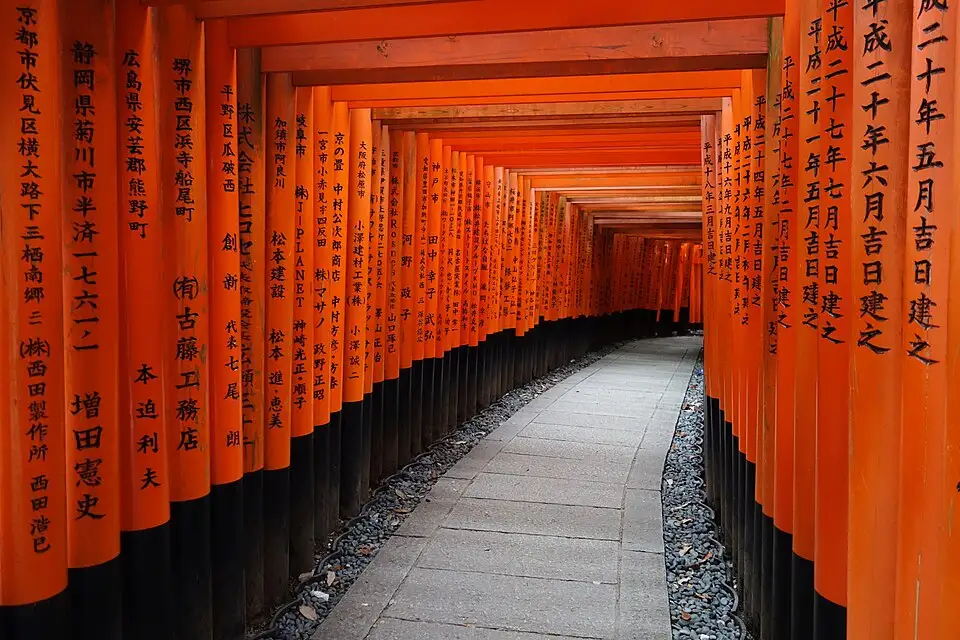
Fushimi: Inari, sake and a local shopping street
Stay near Fushimi Inari and you can walk the torii trail at dawn. Further south, Fushimi-Momoyama and Chushojima are sake country, with white-walled breweries along the canals.
Otesuji shopping street is where locals shop, and Keihan and Kintetsu trains run to Gion and Nara.
We have 1 whole home in this area (listed below).
💡 Good for: sake lovers and anyone planning trips to Nara.
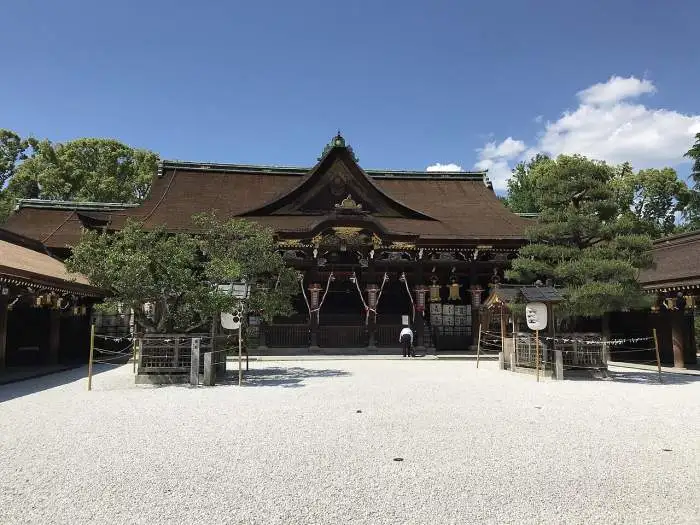
Nijo, Nishijin & Kitano: everyday old Kyoto
Around Nijo Castle is central and residential. North of it, Nishijin is the old weaving district, full of lattice-fronted townhouses, and Kamishichiken by Kitano Tenmangu is one of Kyoto's oldest geisha districts.
With the Tenjin-ichi market on the 25th, old bathhouses and tofu shops, it's as everyday-Kyoto as it gets.
We have 3 whole homes in this area (listed below).
💡 Good for: people who want to live among machiya townhouses and markets.
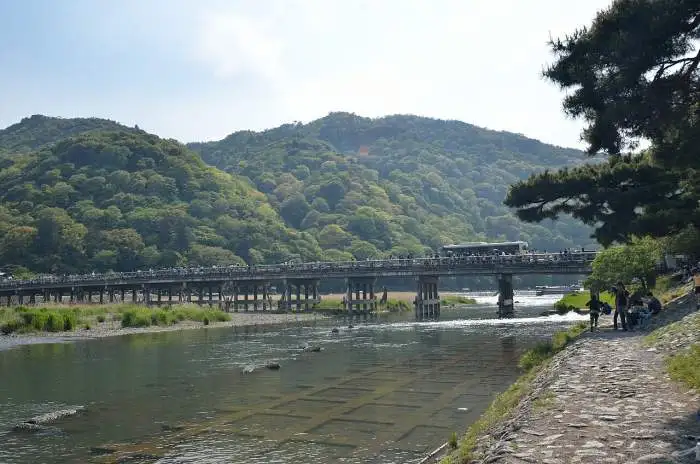
Arashiyama: mountains and river
Togetsukyo Bridge, the bamboo grove and Tenryuji are all here. Crowded at midday; in the early morning and evening it's one of the calmest corners of Kyoto.
Hankyu, JR and the Randen tram run into the city.
We have 2 whole homes in this area (listed below).
💡 Good for: a quiet, nature-filled month, if you don't mind a longer ride into town.
More neighbourhoods worth a look
- Demachiyanagi & Shimogamowhere the Kamo River forks, with Shimogamo Shrine's forest and the Eizan line to Kurama and Kibune.
- Ichijojia student area known for ramen and the much-loved Keibunsha bookshop.
- Shijo-Karasuma & Nishikithe most convenient for shops and food, but busy.
- Around the Imperial Palacebig green spaces right in the centre.
What to check before booking a month in Kyoto
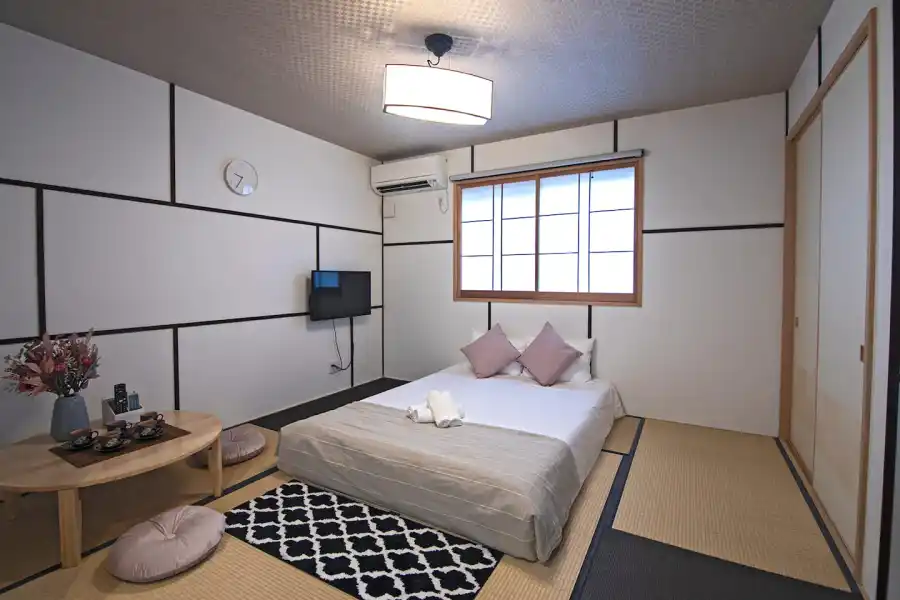
- Wi-Fi and a desk if you'll work; beds vs futons (check the photos); washing machine and kitchen in the amenities.
- Getting aroundKyoto's buses get very crowded in peak season. Staying near a train station makes daily life much easier — each card shows the nearest station and walking minutes.
- Bikesask whether there's space to park one, or where to rent.
- Seasonsbook early for late March–early April and November.
- RubbishKyoto sorts rubbish carefully; house rules explain it.
- Longer staysfor a week or more, message us before booking with your dates and group size (support 9:00–23:00 Japan time).
💡 Splitting a month between Osaka and Kyoto? See our slow travel guide to Osaka.