SLOW TRAVEL · TWO CITIES · ONE MONTH
Osaka + Kyoto: a month split between two cities
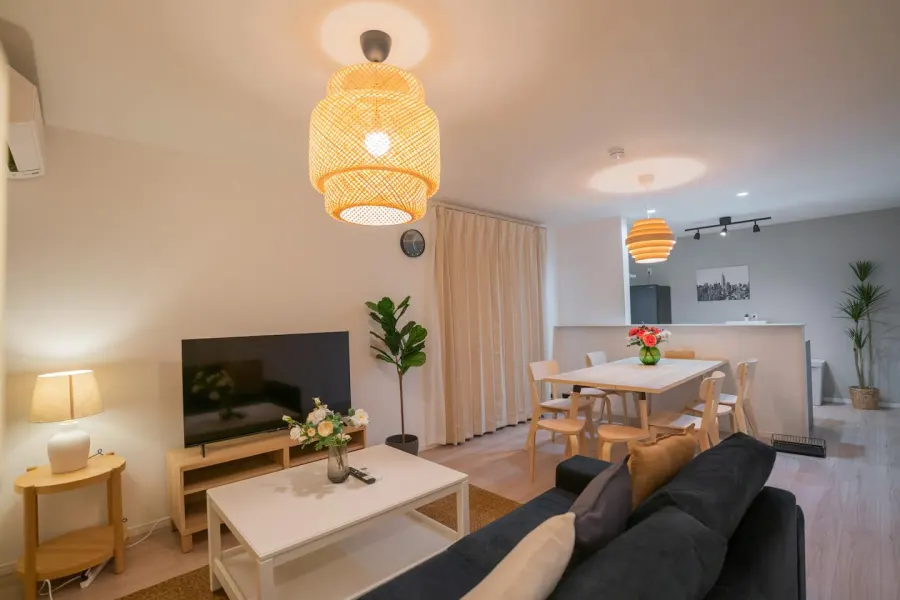
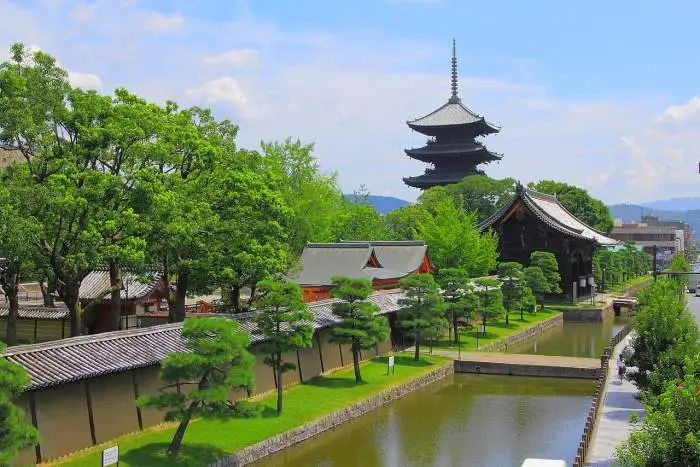
Osaka and Kyoto are half an hour to an hour apart by train, yet they feel like different countries: Osaka is loud, generous and easy to get around; Kyoto is quiet, with empty shrines at dawn and hills that change colour with the season. If you have a month, live in both. We run homes in Osaka and Kyoto ourselves — here's how guests split their time and what moving day actually involves.
The short answer
- JR Special Rapid from Osaka Station reaches Kyoto in about 30 minutes; Keihan and Hankyu also run straight through — roughly 30 to 60 minutes depending on where you stay.
- The most common split is two weeks + two weeks: Osaka first (easy from Kansai Airport), then Kyoto for early-morning temples and the season.
- Moving day: check-out and check-in times vary by home, so ask. Forward big suitcases with a luggage delivery service (takkyubin) — within Kansai it usually arrives the next day.
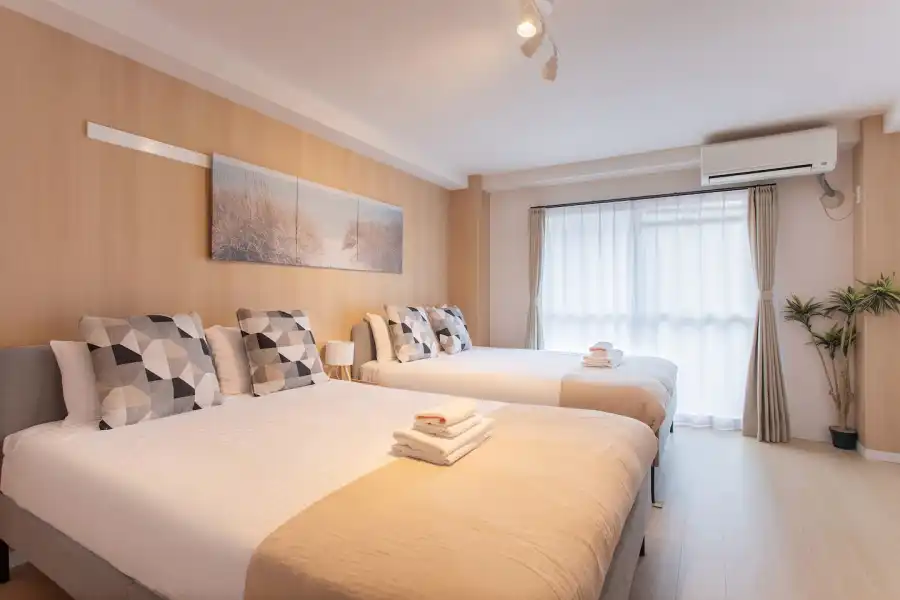
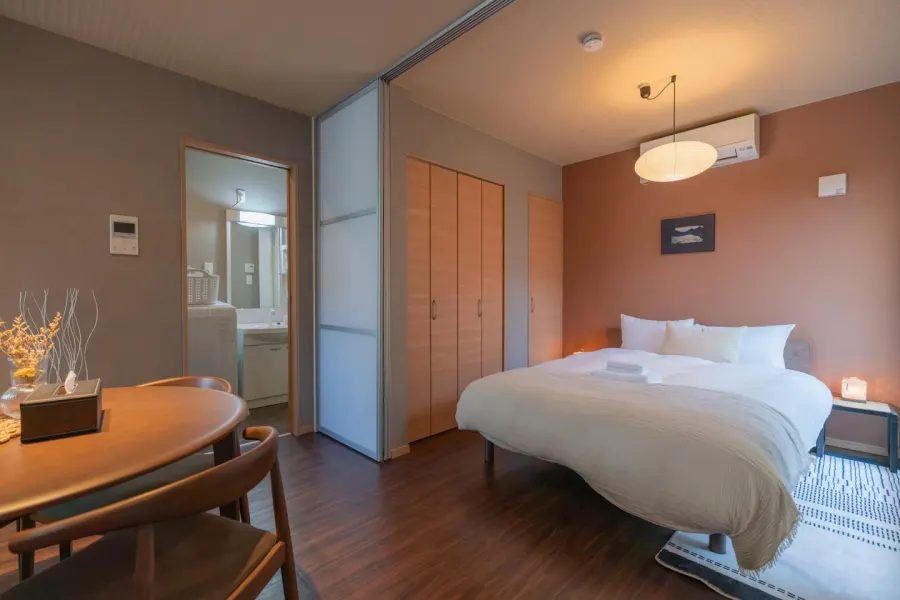
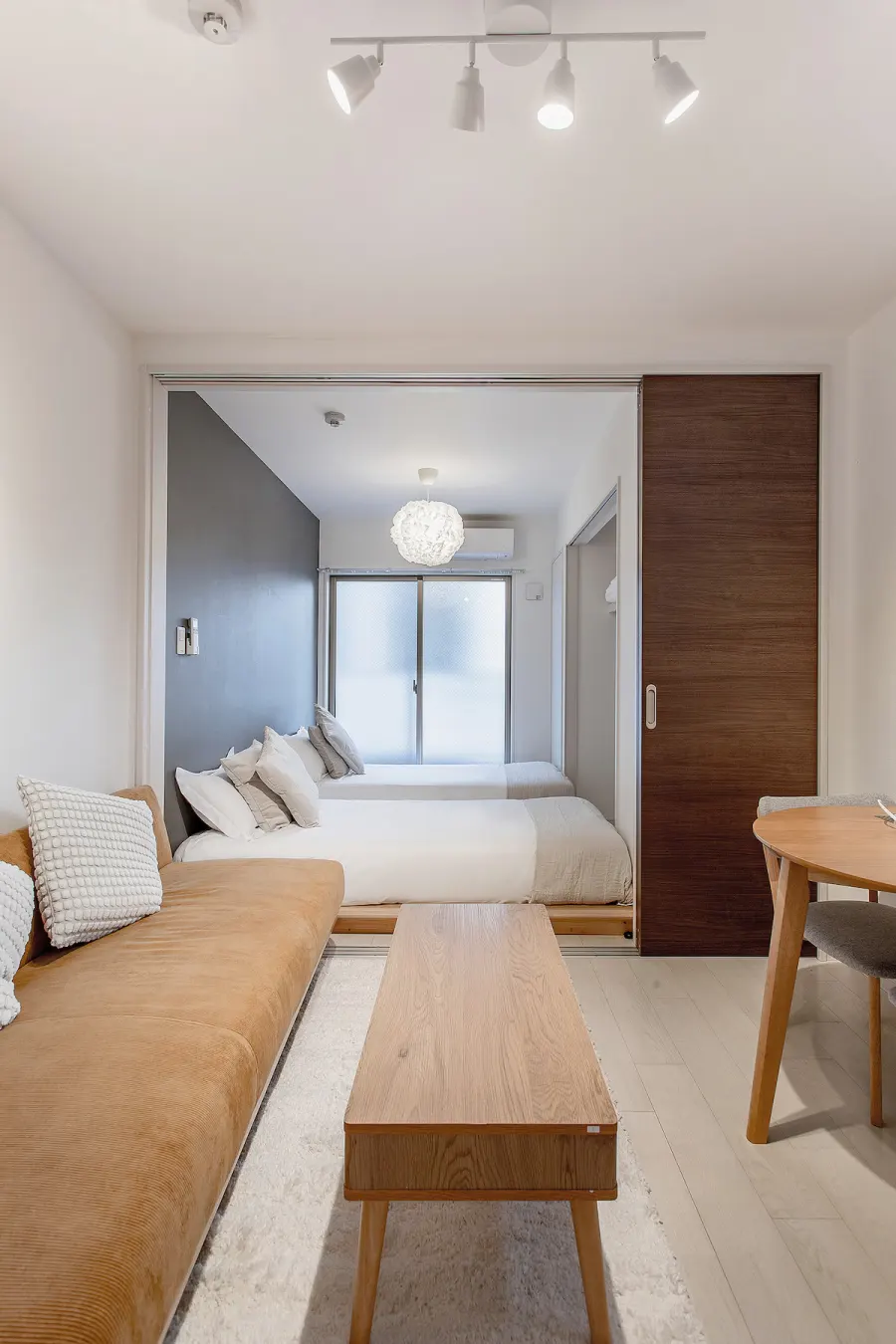
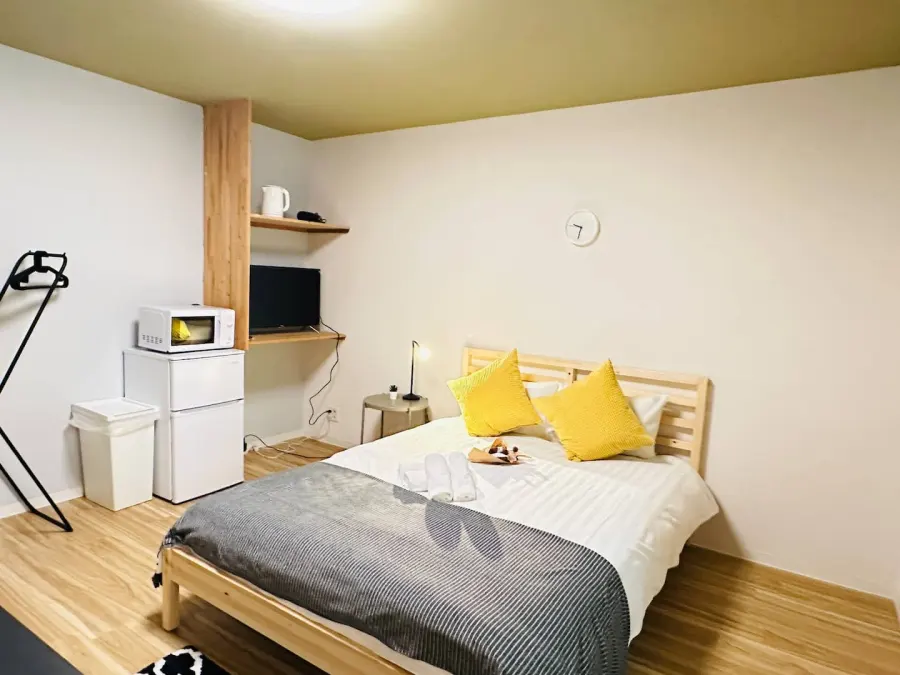
- Book both stays together so the dates join up. This topic lists 28 homes; 26 show a washing machine.
Why split the month
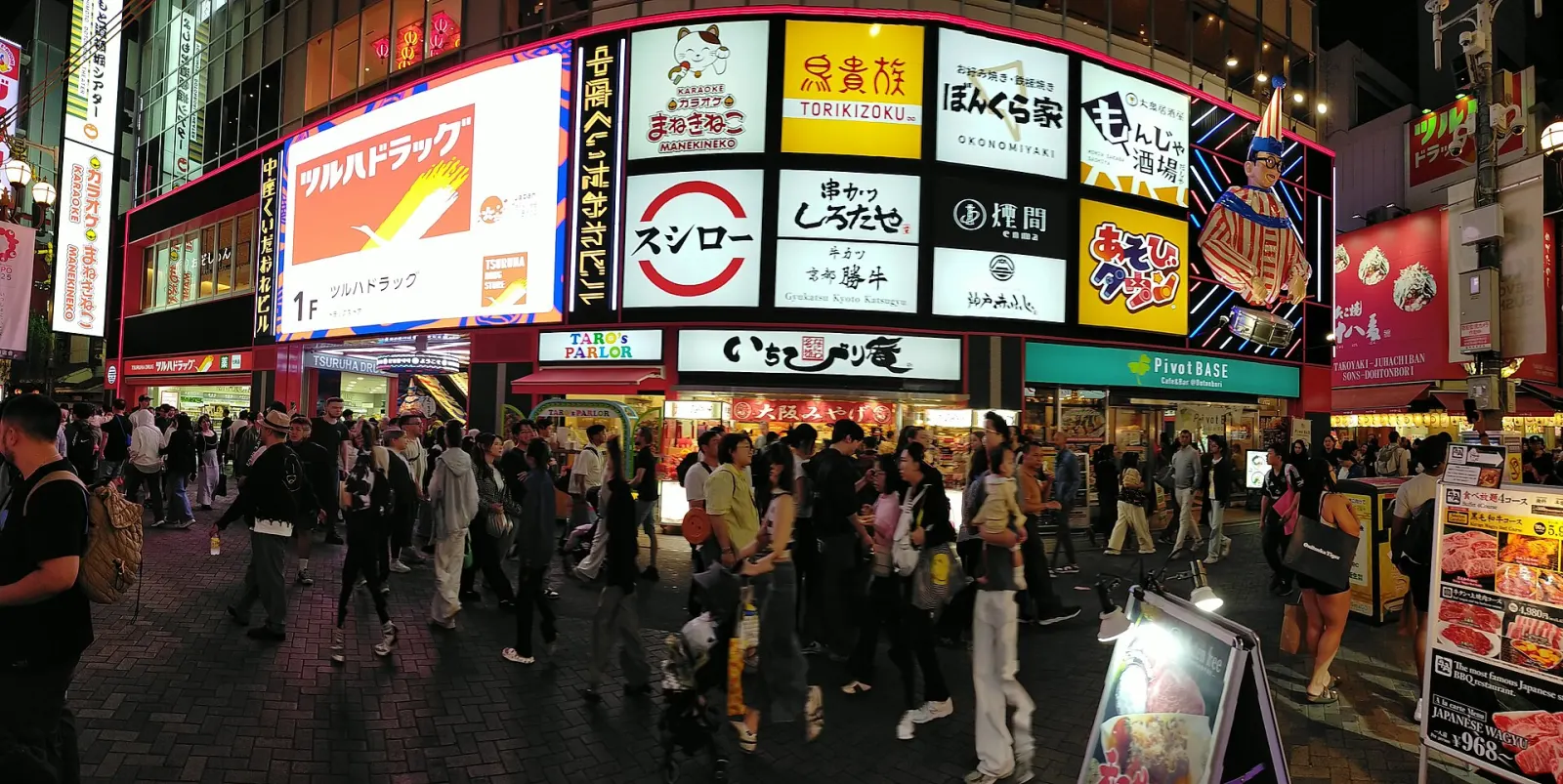
- Osaka daysshopping streets and markets on your doorstep, food without effort, and the hub of Kansai rail — Nara and Kobe are easy day trips.
- Kyoto daysshrines with no one in them at dawn, walks along the Kamo River, monthly temple markets, hills that turn with the season.
- Close enoughabout 30 minutes from Osaka Station to Kyoto on the JR Special Rapid, so changing cities doesn't eat a whole day.
- Two rhythmseat and wander your fill in Osaka, then slow right down in Kyoto. A month never gets stale.
- Easier in peak seasonKyoto fills up for cherry blossom and autumn leaves; booking only the second half there is easier than a full month.
Ways to split it
- Two + two weeksfirst time in Kansai and want to know both cities properly. Osaka first, Kyoto second — Kyoto Station has a direct line back to the airport.
- Three weeks Osaka + one Kyotofood lovers, families, or anyone planning lots of Nara and Kobe trips. Save Kyoto for a slow final week.
- One week Osaka + three Kyotoyou're here for temples, gardens and the season (autumn leaves, say). Osaka is the soft landing.
- One base + day tripslots of luggage, small children, or simply no wish to move. Stay near Osaka or Kyoto Station and visit the other city for the day.
💡 Which line (JR Special Rapid, Keihan, Hankyu) reaches which part of Kyoto, and where to stay in Osaka for each: see Osaka ⇄ Kyoto by train.
Pairing neighbourhoods
- Tenma & Nakazakicho + Nijo, Nishijin & Kitano: old shopping arcades and small shops, then machiya streets and temple markets — neighbourhood life in both cities.
- Sumiyoshi Taisha + Arashiyamaslow days by tram, then quiet mornings and evenings between mountains and river.
- Tsuruhashi & Shinsekai + Fushimimarkets, yakiniku and retro Osaka, then Inari, sake breweries and a local shopping street. The food route.
- Tengachaya + south of Kyoto Station & Toji: the easy airport base, then the most practical Kyoto base. Good with luggage or kids.
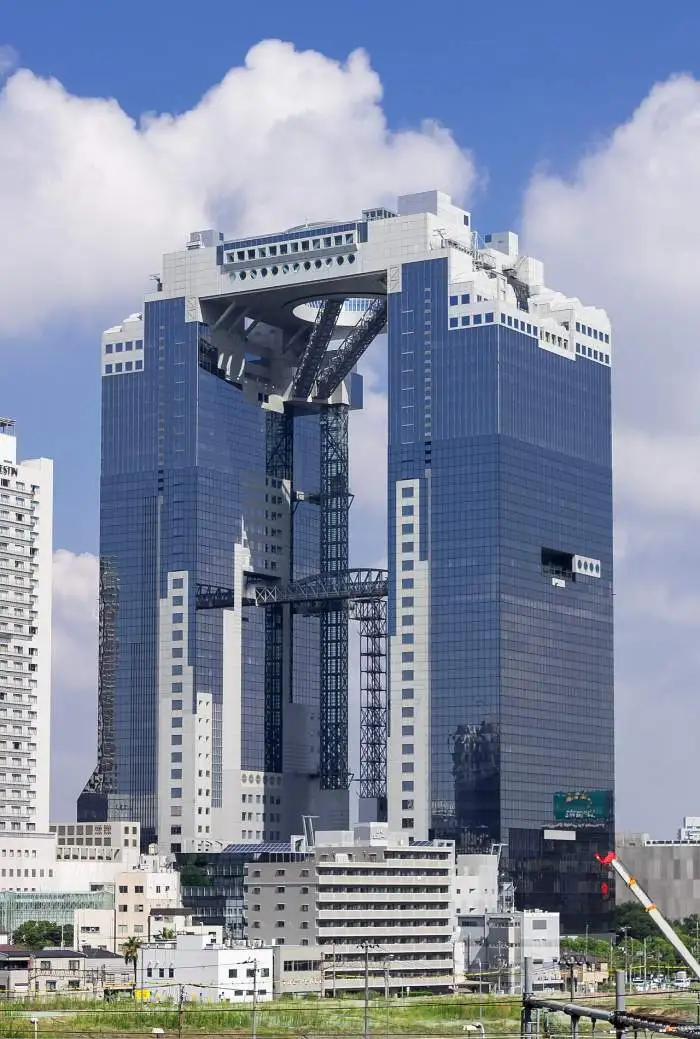
- Nishikujo + Higashiyama & Kiyomizu-GojoUniversal Studios and Namba first, then old Kyoto right outside the door.
💡 Each neighbourhood is covered in detail in the Osaka and Kyoto slow-travel guides.
Moving day
- Ask about timescheck-out and check-in differ by home, and there may be a few hours' gap. Sort this out when you book.
- Forward your luggagesend big cases from a convenience store or a takkyubin counter to the next home. Within Kansai it usually arrives the next day, and you can choose a delivery time slot — confirm at the counter.
- Travel lighttake only a day bag on the train. Station coin lockers can hold it during the gap, though they fill up in peak season.
- Empty the fridgeshop lightly for the last few days and cook down the leftovers. Don't plan on carrying opened food.
- Rubbishsort it by the house rules before you leave. Osaka and Kyoto sort differently, so read the rules again at the new place.
- Too much to carrya taxi door to door is the easy option; by train, choose a route with at most one change.
Pack once, buy locally
- Bring from homeyour regular medicines (with the names written in English), shoes you can walk in all day, a plug adapter (Japan uses two flat pins), quick-dry clothes.
- Buy locallydetergent, dish soap, seasonings, snacks — supermarkets, drugstores and 100-yen shops all have them. Use up, rebuy, don't haul them between cities.
- Small bottlesbuy oil and soy sauce in small sizes, finish them in Osaka and start fresh in Kyoto.
- Clotheshalf a month's worth is plenty with a washing machine; add a layer if the season turns while you're here.
💡 Rubbish sorting, coin laundries, supermarket markdowns and parcels: see the Living guide.
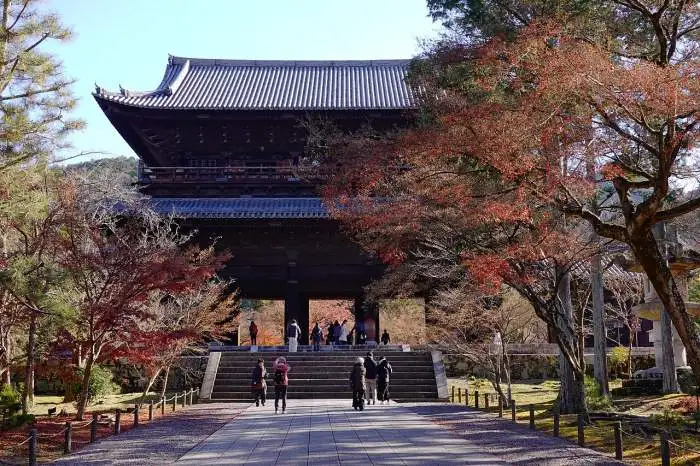
A 4-week outline (two + two)
- Week 1 (Osaka): settle in. Learn your shopping street, supermarket and station; one or two things a day.
- Week 2 (Osaka): eat your way around Osaka, with a day in Nara or Kobe. Pack what you'll forward before the weekend.
- Week 3 (Kyoto): move. Walk the Kamo River and your new streets; visit temples early to beat the crowds.
- Week 4 (Kyoto): a day in Uji or at Lake Biwa; catch the Toji market (21st) or Kitano Tenmangu market (25th) if the dates fall right. Forward big luggage to the airport at the end.
💡 Day-by-day ideas: 30 days in Osaka / 30 days in Kyoto.
Booking both stays
- Book togethermake the dates meet so moving day isn't left hanging. Kyoto is busy in cherry blossom season (late March–early April) and autumn leaves (November), so book early.
- Washing machinehard to live without past two weeks. 26 of the 28 homes here show one — ask before booking if unsure.
- Distance from the stationyou'll walk it with bags on moving day. Every card shows the nearest station and walking minutes.