SLOW TRAVEL · KYOTO · EAT
What to eat in Kyoto: a month of eating with the seasons
Kyoto food has two sides. One is the refinement of an old capital: tofu made with soft local water, heirloom vegetables, sweets made for the tea ceremony. The other is a student city's everyday food: ramen, set meals, bakeries and coffee. Stay a month and you get both — and you can eat with the seasons: bamboo shoots in spring, hamo eel in summer, chestnuts in autumn, simmered tofu in winter.
The short answer
- Kyoto is far from the sea and was the capital for over a thousand years, so its cooking centres on ingredients and broth: tofu and yuba, Kyoto vegetables and pickles — light flavours with real depth.
- Obanzai is Kyoto home cooking: small dishes of seasonal vegetables and tofu, served at many small restaurants and izakaya.
- Everyday Kyoto is great too: the Tenkaippin ramen chain started here, Ichijoji is known for its ramen shops, and Kyoto has a strong bakery and old-school coffee culture.
- Eat like a local by season: bamboo shoots in spring, hamo in summer (Gion Matsuri is nicknamed the hamo festival), chestnuts and matsutake in autumn, yudofu in winter.
Why Kyoto food tastes the way it does
Kyoto sits in a basin with plentiful soft groundwater — ideal for tofu and yuba, tea and sake. Far from the sea, it developed ways of salting and pickling fish (saba-zushi, nishin soba) and broths made from dried ingredients.
Court, temple and tea-ceremony culture gave Kyoto cooking its sense of season and presentation, and Buddhist vegetarian cooking (shojin ryori) produced endless ways with tofu, yuba and vegetables.
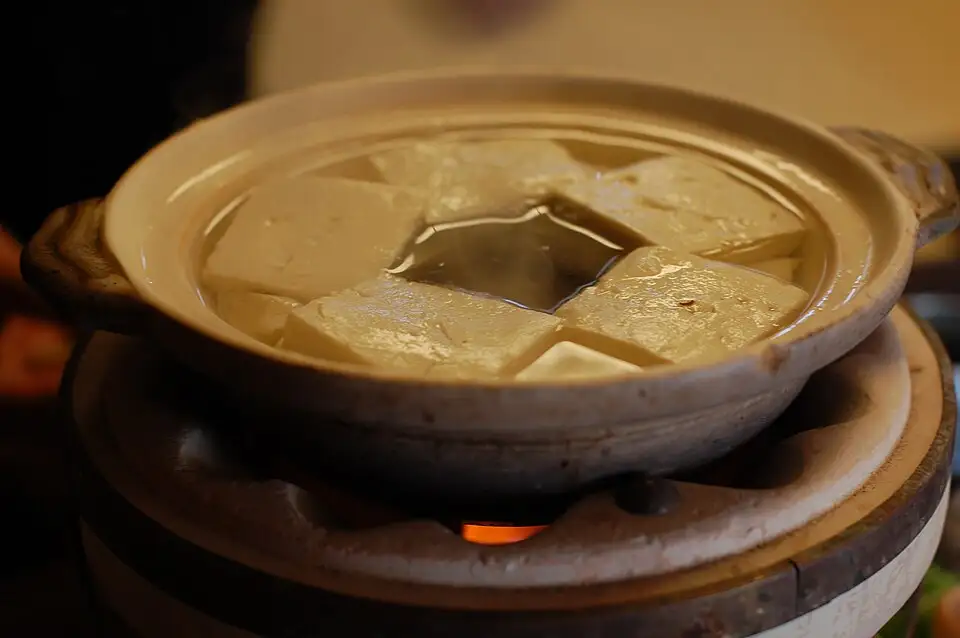
Yudofu and yuba
Yudofu is tofu simmered in kelp broth and dipped in sauce — best in winter. The Nanzenji area is its home; Okutan by the temple gate dates back to the early Edo period.
Yuba is the skin that forms on heated soy milk, eaten fresh, simmered or fried, and turns up throughout Kyoto cooking.
- Where: old shops around Nanzenji, Sagano and Kiyomizu.
- At home: buy a block from a neighbourhood tofu shop and make your own pot.
Obanzai, Kyoto vegetables and pickles
Obanzai are everyday Kyoto side dishes — simmered pumpkin, daikon, greens, tofu skin. Many small restaurants line a dozen of them along the counter; pick a few to go with a drink or rice.
Heirloom Kyoto vegetables (kyo-yasai) include Kujo leeks, Kamo aubergines, Shogoin daikon and Manganji peppers; Kyoto pickles such as senmaizuke, suguki and shibazuke are classic gifts.
- Eat: small obanzai places and izakaya around Shijo, Pontocho and Kiyamachi.
- Buy: Nishiki Market ("Kyoto's kitchen", around 400 years old) and neighbourhood greengrocers and pickle shops.
Saba-zushi and nishin soba: cooking far from the sea
Mackerel from Wakasa Bay used to be salted and carried over the mountains to Kyoto, arriving perfectly cured — the origin of saba-zushi. Izuu in Gion, founded in the mid-Edo period, is the classic name.
Nishin soba is hot soba topped with sweet simmered dried herring. Matsuba, beside the Minamiza theatre and founded in the late Edo period, is generally credited with creating it.
Ramen: Ichijoji and Kyoto's rich broths
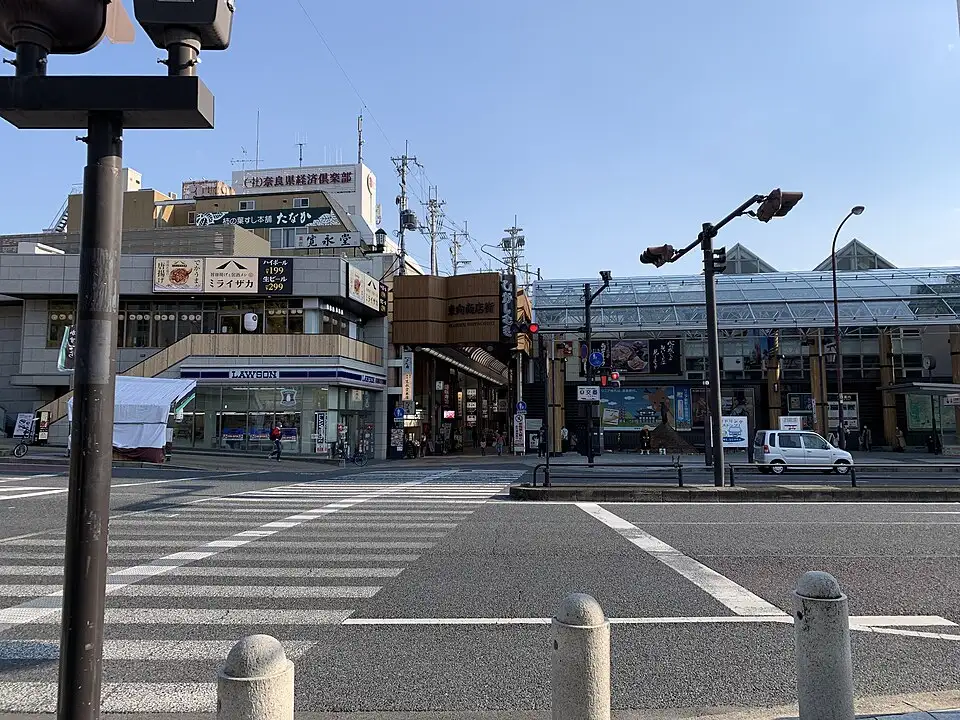
Kyoto is surprisingly a ramen city. The rich chicken broth of Tenkaippin started here, with its main shop in Kitashirakawa, and the Ichijoji area in Sakyo is lined with ramen shops.
- Where: Ichijoji, around Kyoto Station, Kitashirakawa.
Bread and coffee: Kyoto breakfast
Kyoto loves bread and coffee. Shinshindo, founded in the early Taisho era, was one of the first in the city to bake proper French bread; Inoda Coffee, founded in 1940, serves a breakfast at its Sanjo main shop that's a Kyoto morning ritual.
Old kissaten fill Sanjo, Shijo and Demachiyanagi — try a different one each morning.
Wagashi and matcha
Kyoto sweets change with the seasons: cherry blossom in spring, jelly sweets in summer, chestnut in autumn, yuzu in winter. Demachi Futaba, founded in the Meiji era, is famous for its bean mochi — expect a queue.
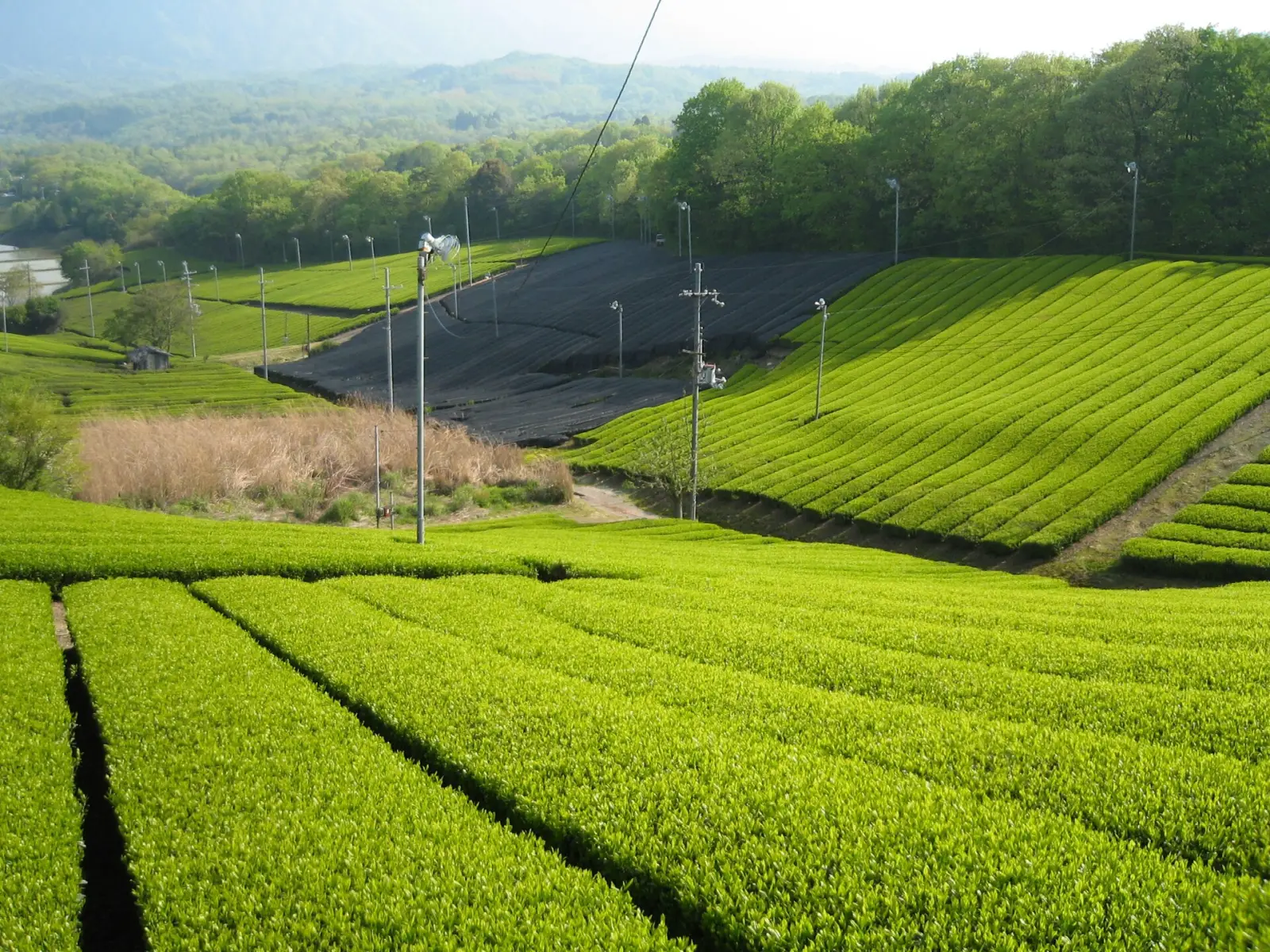
Uji, about 30 minutes away by train, is one of Japan's great matcha regions; Nakamura Tokichi, founded in the late Edo period, serves matcha sweets.
Fushimi sake and a drink by the river
Fushimi's water made it one of Japan's great sake towns, with white-walled breweries along the canals. The Gekkeikan Okura Sake Museum shows the old brewing tools and offers tastings.
For evening drinks, Pontocho and Kiyamachi run along the Kamo River; from May to September restaurants build kawayuka platforms over the water.
Eating by season
- Spring (Mar–May)bamboo shoots, cherry-blossom sweets, new-season tea.
- Summer (Jun–Aug)hamo, riverside dining, shaved ice with Uji matcha.
- Autumn (Sep–Nov)chestnuts, matsutake, autumn-leaf sweets.
- Winter (Dec–Feb)yudofu, senmaizuke, hot nishin soba.
💡 These shops have been around for generations, but hours and closing days change — check before you go. Our slow travel guide to Kyoto covers each neighbourhood and our homes there.