SLOW TRAVEL · SEASONS · ONE MONTH
Osaka & Kyoto through the seasons: when to come for a month
A short trip catches a season's best few days; a month lets you live through one from start to finish. Osaka and Kyoto change completely across the year — blossom, fresh green and rain, festival summers, maples, then quiet winter temples and steaming pots of tofu. Here's what a month in each season feels like, to help you pick your dates.
The short answer
- For cherry blossom and autumn leaves: spring (late March–early April) and autumn (roughly mid-November to early December) are the showpieces — and the busiest times, so book early.
- For festivals: July brings Kyoto's month-long Gion Matsuri and Osaka's Tenjin Matsuri with boat processions and fireworks. It's hot and humid, so live by early mornings and evenings.
- For a calmer month: June (the rainy season) and winter sit outside the two peak seasons, and winter is the quietest of all. Some shops close over New Year — check before you go.
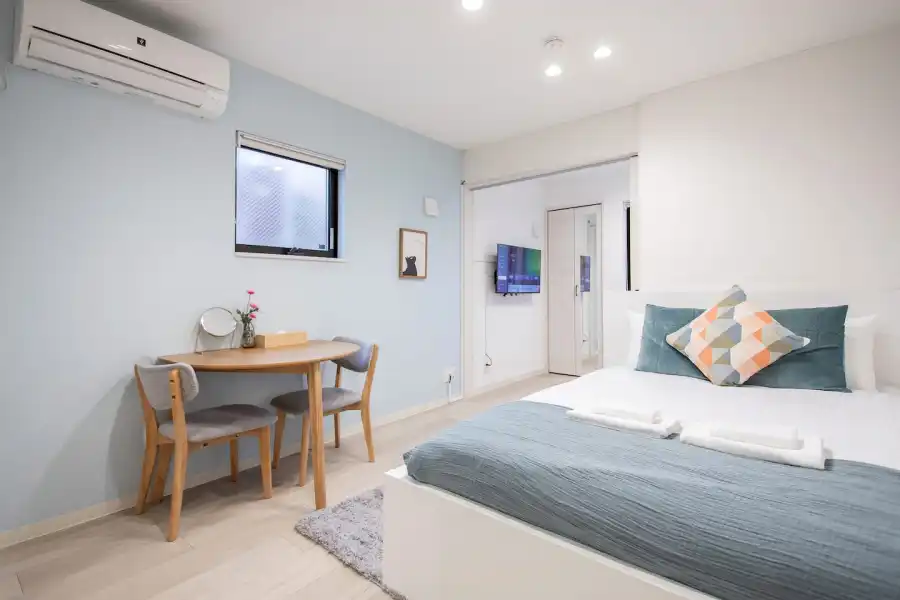
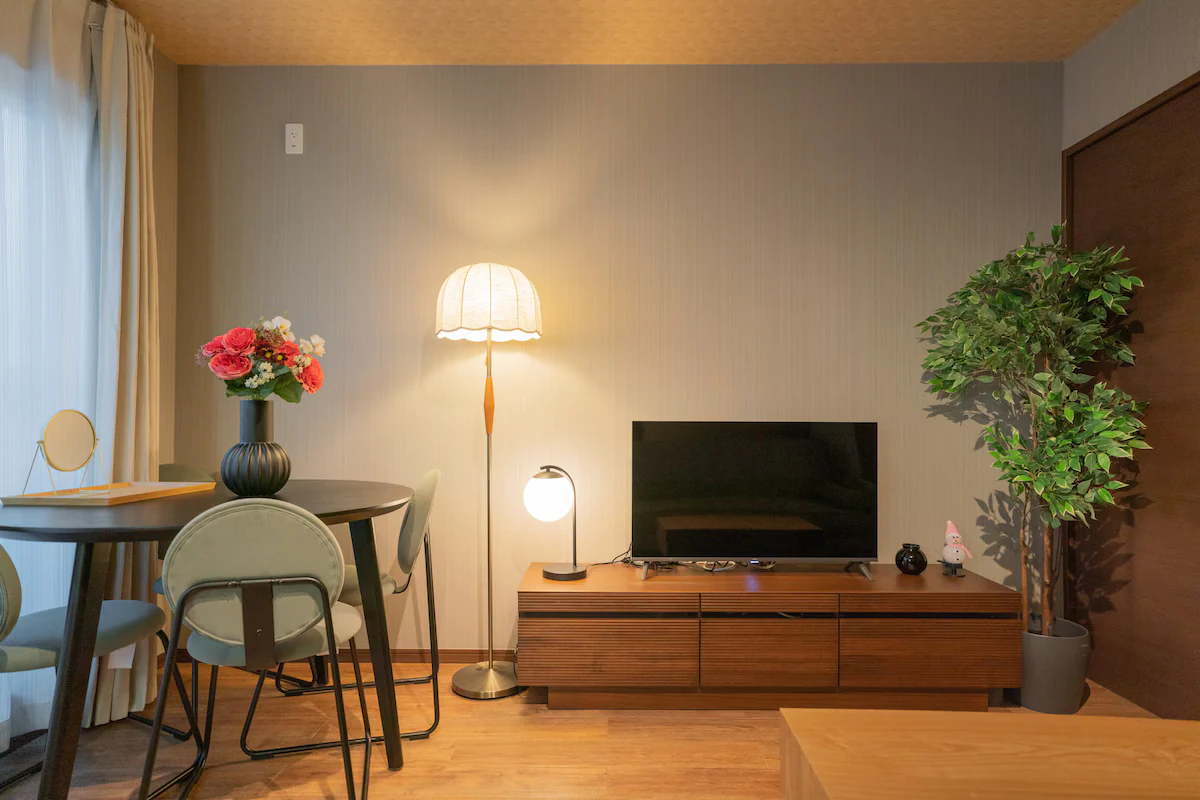
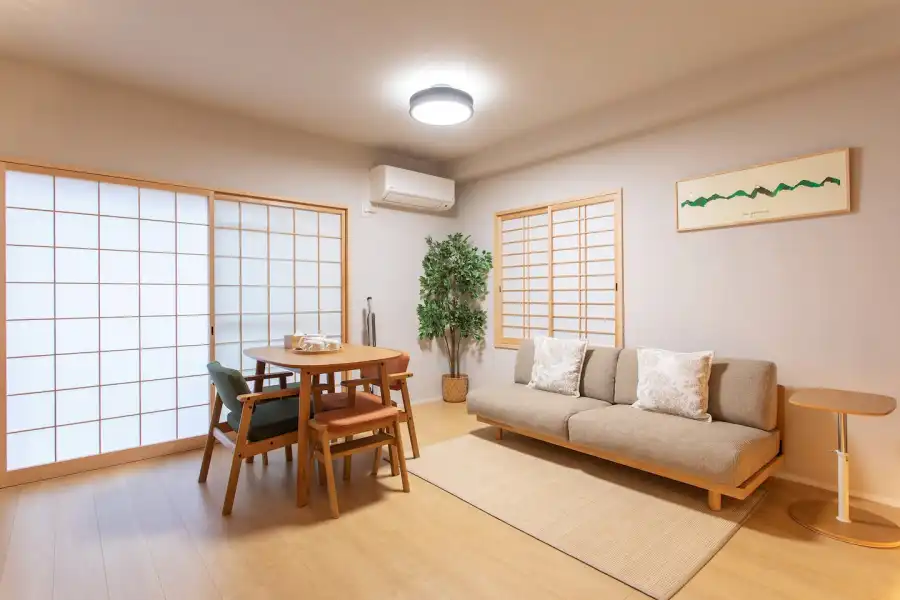
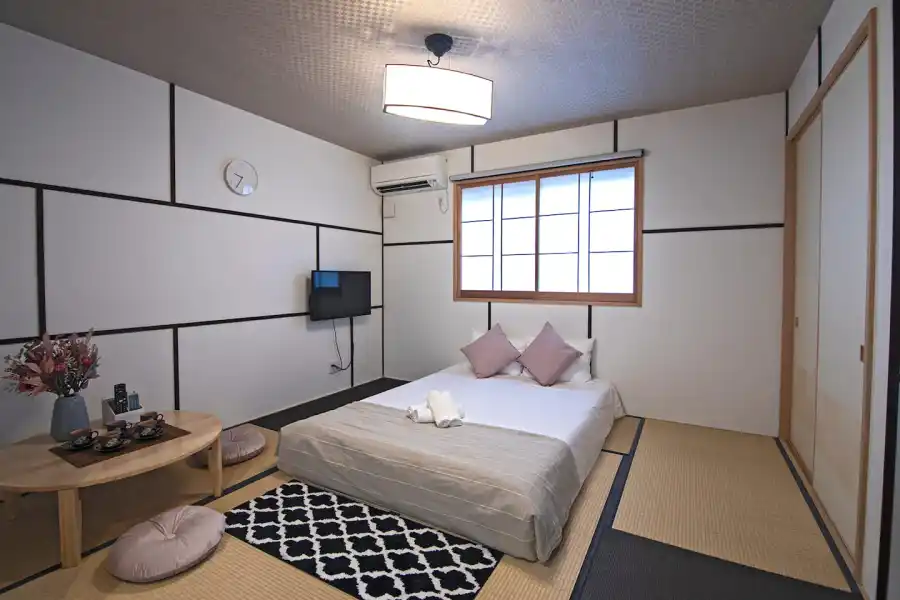
- Any season works: this topic lists 28 homes, 26 with a washing machine and 17 within a 5-minute walk of a station.
The four seasons at a glance
| Season | Crowds | Weather | Highlights |
|---|---|---|---|
| Spring (late Mar–early Apr) | Peak; famous spots packed | Cool mornings, pleasant days | Cherry blossom, the Japan Mint's cherry avenue, bamboo shoots |
| Early summer (June) | Between peaks, calmer | Rainy season, frequent rain | Fresh greenery, hydrangeas, riverside dining begins |
| Summer (Jul–Aug) | Packed on festival days | Hot and humid | Gion Matsuri, Tenjin Matsuri, fireworks, Gozan bonfires |
| Autumn (Oct–early Dec) | Peak in leaf season | Cool, great for walking | Jidai Matsuri, autumn leaves, danjiri, chestnuts and matsutake |
| Winter (Dec–Feb) | Quietest season | Cold, occasional snow | Yudofu, hot springs, New Year shrine visits, Toka Ebisu |
Festival, blossom and foliage dates change every year — always check official information.
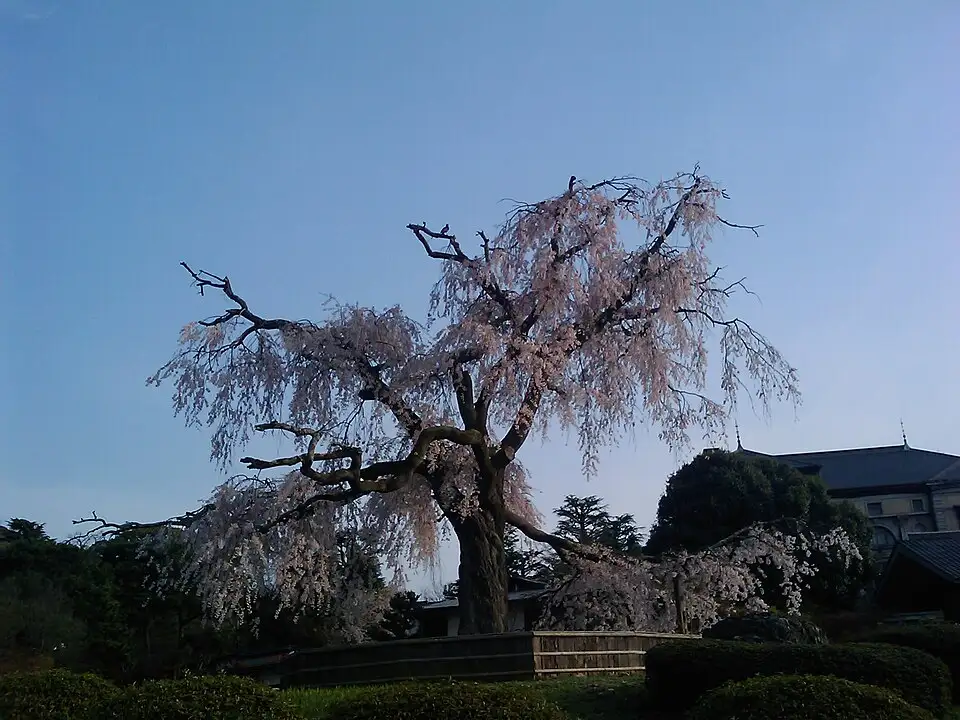
Spring (late March–early April): a month of cherry blossom
Stay a month and you see the blossom go from bud to full bloom to falling petals. Skip the busiest day: visit the famous spots early on a weekday, and spend evenings by the river or in a park near home.
- Wherein Kyoto, the Kamo River, the Philosopher's Path, Heian Shrine and Maruyama Park; in Osaka, Osaka Castle Park and Kema Sakuranomiya Park. In mid-April the Japan Mint opens its cherry-tree avenue for about a week.
- Crowdsone of the busiest times of year, with famous spots packed at weekends — staying longer lets you pick weekday mornings.
- Live like a localpicnics under the trees, bamboo shoots, cherry-blossom sweets and new-season tea.
- Packa light jacket for cool mornings and evenings, and good walking shoes.
- Bookinghomes fill up for blossom season, so book as early as you can. Bloom timing varies each year — follow official and local information.
Early summer and the rainy season (June)
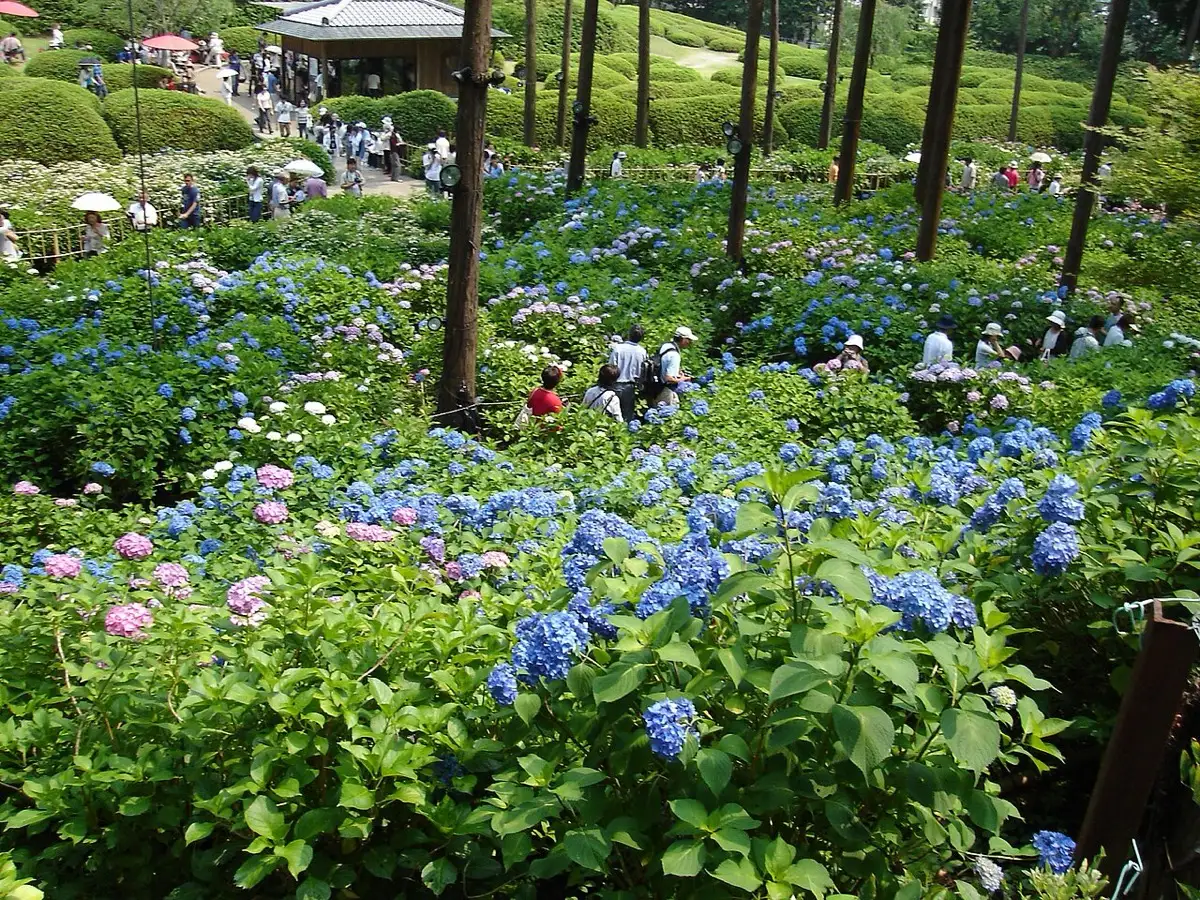
After the blossom, Kyoto turns a deep fresh green, and June brings the rainy season. Rainy days are actually the best time for temple gardens — wet stone and moss, and fewer people.
- Wherehydrangeas, famously at Mimuroto-ji; Ryoanji's rock garden and Ginkakuji's garden are best early or in the rain.
- Crowdsoutside the blossom and autumn peaks, so the pace is calmer.
- Live like a localOsaka's covered shopping streets keep you dry for errands; from May, restaurants along the Kamo River in Pontocho and Kiyamachi build kawadoko platforms over the water.
- Packan umbrella and waterproof shoes — a home with a washing machine makes a wet month much easier.
- Bookingusually less of a scramble, but book early for weekends and public holidays.
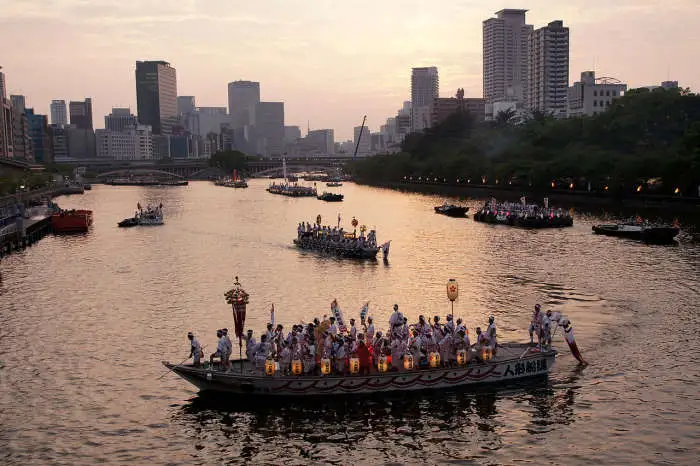
Summer (July–August): Gion Matsuri, Tenjin Matsuri and riverside evenings
July is festival month. Kyoto's Gion Matsuri, one of Japan's three great festivals, runs all month with the float procession as its highlight; Osaka's Tenjin Matsuri, another of the three, has boat processions and fireworks. Being in town for them is something short trips rarely get.
Be ready for the heat: Kansai summers are hot and very humid, and long midday walks are hard work. Locals go out early, rest through the middle of the day and come back out in the evening.
- FestivalsGion Matsuri and Tenjin Matsuri in July; Yodo River fireworks and neighbourhood bon-odori dances in summer; the Gozan bonfires on 16 August. Dates and times change each year — check official information.
- Eveningscool off on the Kamo River banks or at a kawadoko in Pontocho or Kiyamachi; hop the stepping stones at the Kamo Delta by Demachiyanagi; Kurama and Kibune's riverside dining is cooler up in the hills.
- Summer foodhamo (Gion Matsuri is nicknamed the hamo festival), shaved ice and Uji matcha ice.
- Packa hat, sunscreen, breathable clothes and a water bottle — plus a light layer for air-conditioned interiors.
- Bookingcentral homes get busy around the festivals, so book early if you want to catch them.
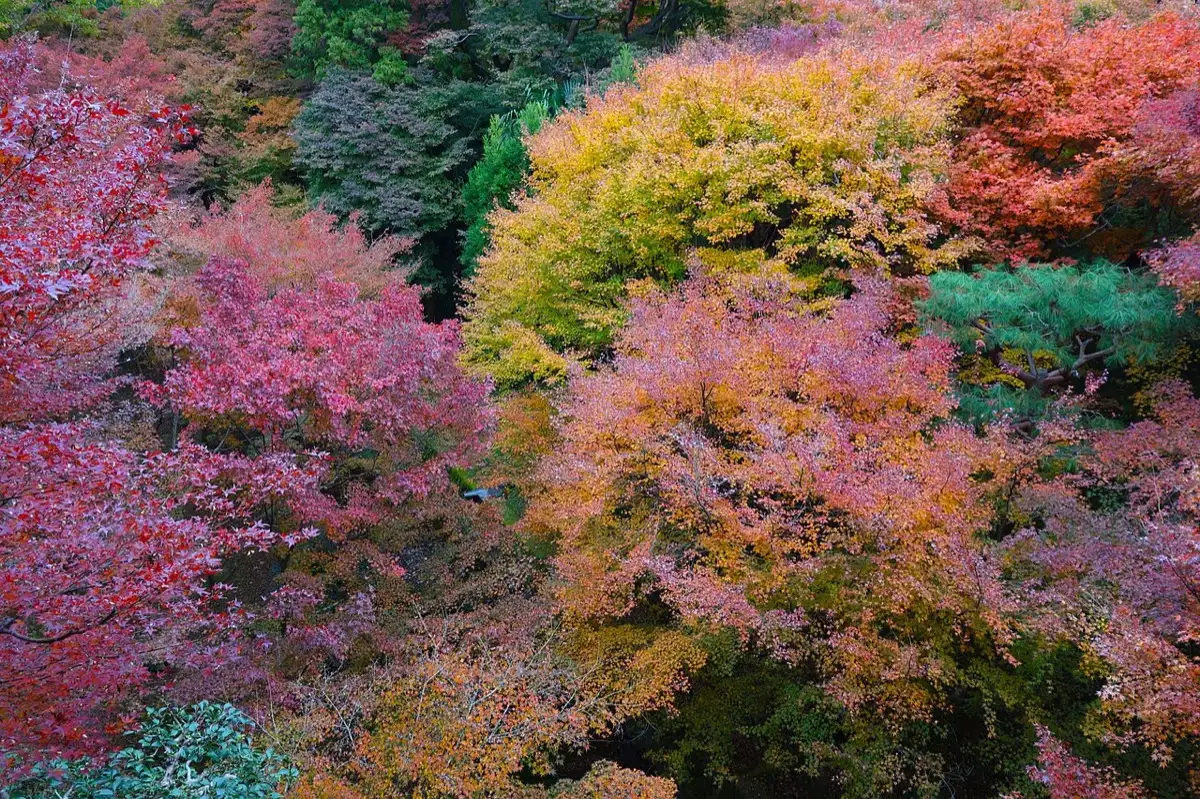
Autumn (October–early December): Jidai Matsuri, maples and walking weather
Autumn is the best walking season. October brings Kyoto's Jidai Matsuri, a procession of costumes from across the city's history, and southern Osaka's danjiri festivals run through September and October. The leaves turn roughly from mid-November to early December, earlier or later depending on the year.
With a month, you can watch the trees on your own street change colour, then visit the famous spots on quiet weekday mornings.
- WhereTofukuji's Tsutenkyo bridge, Eikando, Arashiyama and Kiyomizu-dera; the Philosopher's Path; and Minoo just outside Osaka, with its local maple-leaf tempura.
- Crowdsleaf season is a peak like blossom season, busy at weekends; many temples hold special openings or night illuminations — check times officially.
- Autumn foodchestnuts, matsutake and seasonal wagashi.
- Packa jacket for cooler mornings and evenings, and comfortable shoes.
- Bookinghomes fill up in leaf season, so book early.
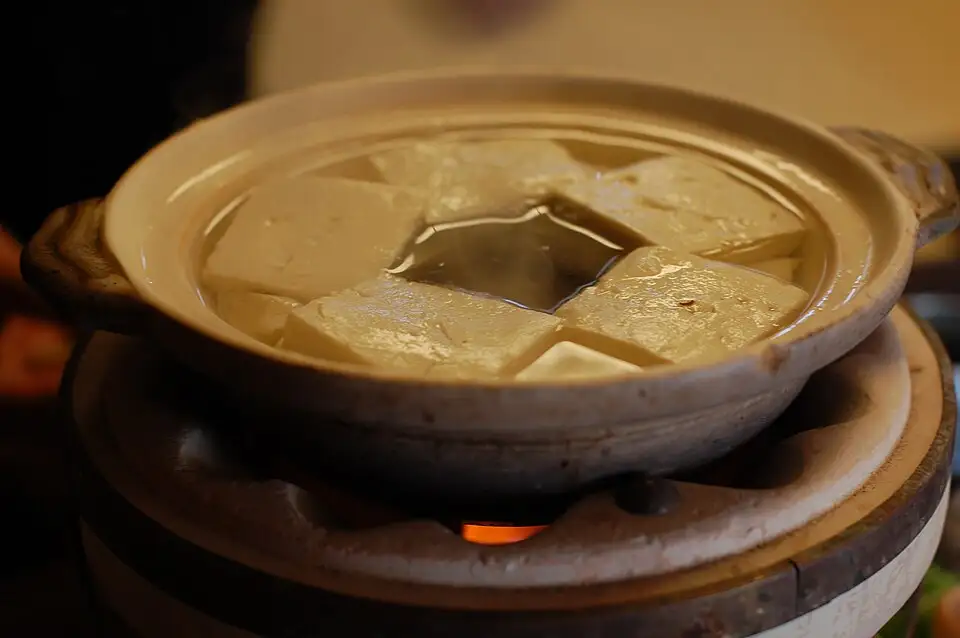
Winter (December–February): yudofu, hot springs and New Year
Winter is Kyoto's quietest season — calm temples, the occasional snowfall, and the famous sight of Kinkakuji in snow. Cold days call for hot food: yudofu in Kyoto, fugu hotpot in Osaka, and a long soak before heading home.
New Year is when Japan goes home to family, and some shops close over the year-end and New Year holidays — check before you go.
- Winter foodyudofu around Nanzenji and Sagano; senmaizuke pickles and hot nishin soba; fugu hotpot (tecchiri) in Osaka.
- Soakingneighbourhood sento, the big Spa World complex in Shinsekai, and Arima Onsen as an easy day trip by train.
- New Yearshrine visits at Yasaka Shrine or Fushimi Inari in Kyoto and Sumiyoshi Taisha in Osaka; Toka Ebisu at Imamiya Ebisu in January; light-ups around Nakanoshima in December.
- Packa warm coat, scarf and gloves. Older houses can be chilly, so check the heating and whether there's a bathtub.
- Bookinglots of people travel over New Year, so book those dates early.
Choosing your month and when to book
- First visitspring or autumn for the classic blossom and maples — accept the crowds and book early.
- Love a festivalJuly, for Gion and Tenjin Matsuri together — just avoid the midday heat.
- Want quiet everyday lifeJune or winter, when temples and gardens can be enjoyed slowly; mind the New Year closures.
- When to bookblossom season, the July festivals, leaf season and New Year all need early booking.
- Datesfestivals, blossom and foliage shift every year — check official information before you travel.
💡 For day-to-day practicalities see the living handbook; for how to spend a month in each city, see the Osaka and Kyoto slow-travel and things-to-do guides.