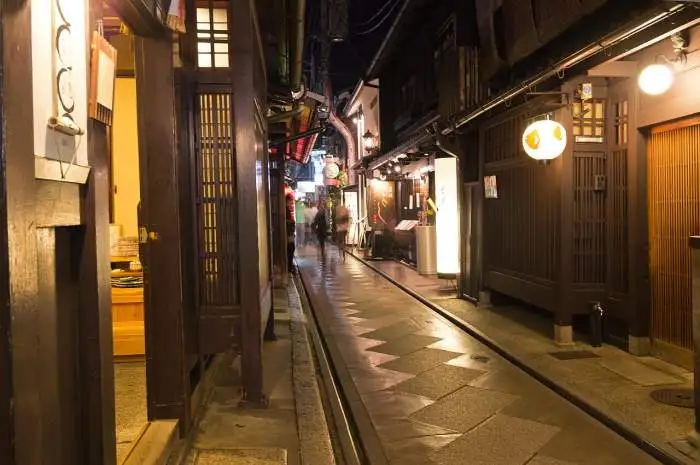
SLOW TRAVEL · KYOTO · MARKETS
Kyoto's markets and shopping streets: shop like you live here
On a short trip Kyoto is a list of sights. Stay a few weeks and it becomes a routine: a bunch of Kujo leeks and a block of tofu picked up on the way back from a morning walk, a few deli dishes carried home at dusk. Kyoto's shopping streets are small, but the seasons, the craft and the neighbours' faces are all in them. Here they are, one by one — how they feel, what to buy and when to go.
The short answer
- For cooking: Nishiki Market ("Kyoto's kitchen", around 400 years old) and the shopping street nearest your home.
- Neighbourhood streets: Demachi Masugata, Sanjo-kai and Fushimi's Otesuji — greengrocers, tofu shops and delis side by side.
- Browsing and old shops: the covered Teramachi and Shinkyogoku arcades; Teramachi-dori north of Oike for tea, incense and old books.
- Monthly temple markets: Toji's Kobo-ichi (21st), Kitano Tenmangu's Tenjin-ichi (25th) and Chion-ji's handmade market (15th) — check official info for dates.
- Go in the morning: fewer visitors, fresher produce. Opening days and hours vary by shop, so check before you go.
Why markets and shopping streets matter on a long stay
- The seasons are on the stallsKyoto vegetables, bamboo shoots, chestnuts, pickles — what's on display tells you where the year is.
- Meal-sized shoppingone block of tofu, one bunch of greens, a few small dishes — just right for a home kitchen.
- Shopkeepers remember youby your third or fourth visit, you'll be chatting about how to cook what's in season.
- Errands become walksshopping streets often sit near temples, shrines and the river, so the morning walk and the grocery run are the same route.
Nishiki Market: Kyoto's kitchen
Nishiki Market is a long, narrow covered street just north of Shijo-dori, around 400 years old and known as "Kyoto's kitchen". Kyoto vegetables, tsukemono (Kyoto pickles), tofu, fish and dashi ingredients — everything for a home-cooked meal along one street.
It gets crowded with visitors during the day. The luxury of a long stay is that you can go early, when it's quiet and stallholders have time to tell you what's good today.
- What to buyseasonal Kyoto vegetables such as Kujo leeks, Kamo eggplant and Manganji peppers; pickles like senmaizuke, shibazuke and suguki; tofu and yuba; kombu and bonito flakes for dashi.
- Whenin the morning, before the crowds. Hours and closing days vary by shop, so check before you go.
- Pair it withthe Teramachi and Shinkyogoku arcades just to the east, or breakfast at one of the old kissaten (coffee houses) around Sanjo and Shijo.
💡 Nishiki is close to Shijo-Karasuma and Shijo-Kawaramachi. Living nearby makes grocery runs easy, though the area is busy by day.
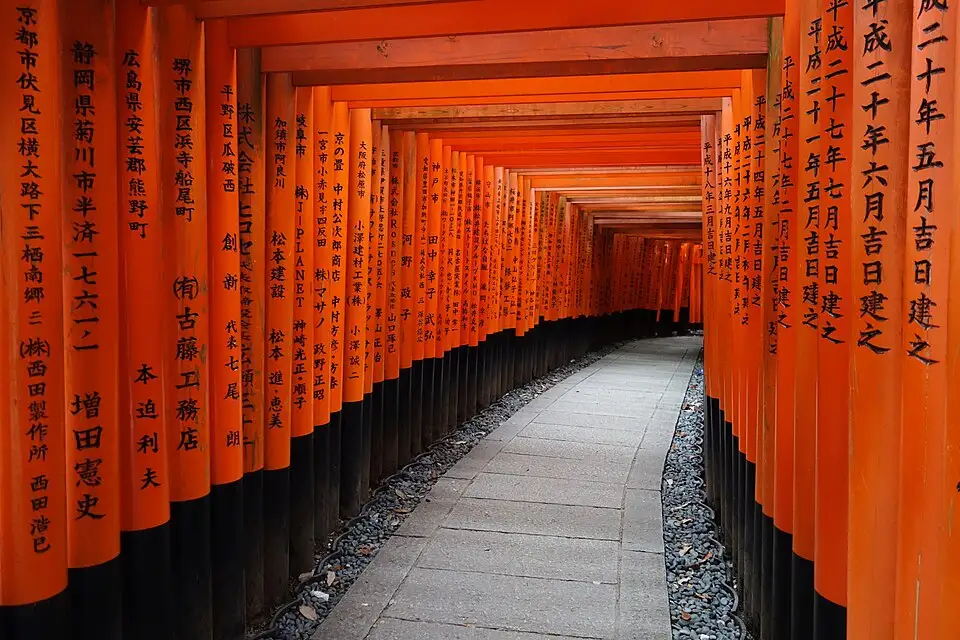
Neighbourhood streets: Demachi Masugata, Sanjo-kai and Otesuji
Nishiki is famous, but the shopping street around the corner is where Kyoto actually does its daily shopping. Fewer visitors, a slower pace, and greengrocers, tofu makers, delis and bakeries all in a row.
- Demachi Masugatathe everyday shopping street for the Demachiyanagi area. Start with the stepping stones at the Kamo River delta and a loop through Shimogamo Shrine's forest, then shop on the way home.
- Sanjo-kaia street the neighbourhood relies on — vegetables, tofu and ready-made dishes. If you cook, you'll come back several times a week.
- Otesuji (Fushimi)where Fushimi locals shop and eat. Walk the torii gates of Fushimi Inari early, or stroll the canal past the sake breweries, and stop here on the way back.
- Whenmornings for the widest choice; late afternoon for obanzai (Kyoto home-style side dishes) to take home for dinner. Closing days vary — check first.
💡 Every neighbourhood has its own shopping street and an old tofu shop. Your first job after moving in: walk around and find "your" street.
Teramachi and Shinkyogoku: the covered arcades
The Teramachi Kyogoku and Shinkyogoku arcades run under cover from Sanjo to Shijo — clothes, homeware, souvenirs and old shops, dry even on a rainy day. North of Oike, Teramachi-dori goes quiet, lined with old shops for tea, incense, old books, antiques and galleries.
- What to buyeveryday homeware and stationery; tea and incense from Teramachi-dori for daily use at home.
- Whenmornings and weekdays are calmest; Teramachi-dori is made for slow window-shopping.
- Pair it withgroceries at Nishiki first, then wander east into Teramachi — or start at Oike and walk north to Teramachi-Nijo.

Monthly temple markets: the 21st, 25th and 15th
- Kobo-ichi (Toji, 21st of each month)one of Kyoto's biggest markets — antiques, old kimono, ceramics, homeware and street food.
- Tenjin-ichi (Kitano Tenmangu, 25th)heavy on antiques and old things; with the old tofu shops and bathhouses of Nishijin and Kitano, it's everyday Kyoto at its most Kyoto.
- Handmade market (Chion-ji, 15th)makers' jewellery, ceramics, textiles and bread.
- Tipsgo early for the best browsing. Weather and schedules can change — check official info before you go.
💡 Stay a month and you can catch all three. Put the dates in your calendar on day one.
Shop like a resident: little and often, in season, some cash
- Little and oftenbuy for two or three days at a time — fresher food, and it fits a small fridge.
- Follow the seasonask "what's good today?" and shopkeepers will point you to what's in season and how to cook it.
- Carry some cashmany small shops prefer cash, though some take cards or IC cards — look at the signs by the door.
- Bring a bagpurchases come in small bits, and your own bag makes it easy.
- Let the deli cooka few obanzai dishes and a bowl of rice is a proper Kyoto home dinner.
Etiquette: eating on the go, photos and queues
- Eating while walkingrules differ by market and street — some ask you to eat in front of the shop or in a set spot. Read the signs and follow them.
- Photosask before photographing shops or goods, and don't block shoppers or the aisle.
- Hands offlet the shopkeeper pick vegetables and pickles for you rather than handling them yourself.
- Take rubbish homethere are few bins, so carry wrappers and skewers home to sort.
- Queuesline up the way the shop asks, and keep clear of the neighbour's door.
A sample week of shopping
- Mondaya morning walk, then vegetables and tofu for the next few days from your local street.
- Tuesdaycook at home — yudofu (simmered tofu) with tofu from the neighbourhood shop.
- WednesdayNishiki Market early for pickles and dashi ingredients, then a wander into Teramachi.
- Thursdaytry a different street — Demachi Masugata or Sanjo-kai — for a change.
- Fridaypick up a few obanzai dishes in the late afternoon for dinner.
- Saturdayan early walk at Fushimi Inari or a temple, then Otesuji on the way back.
- Sundayrest — or if it's the 21st, 25th or 15th, head to the temple market.
💡 Adjust to where you live: whichever neighbourhood you're in, its shopping street is your home base. See the Kyoto slow-travel guide for neighbourhoods and "Eating in Kyoto" for food.