GUIDE · OSAKA WITH GRANDPARENTS
Travelling to Osaka with grandparents: how to choose a whole home for three generations
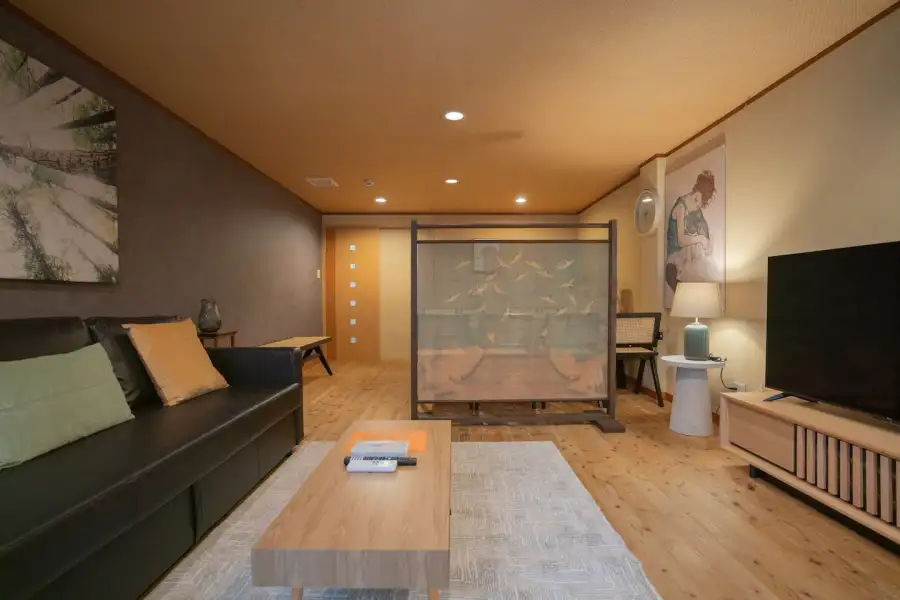
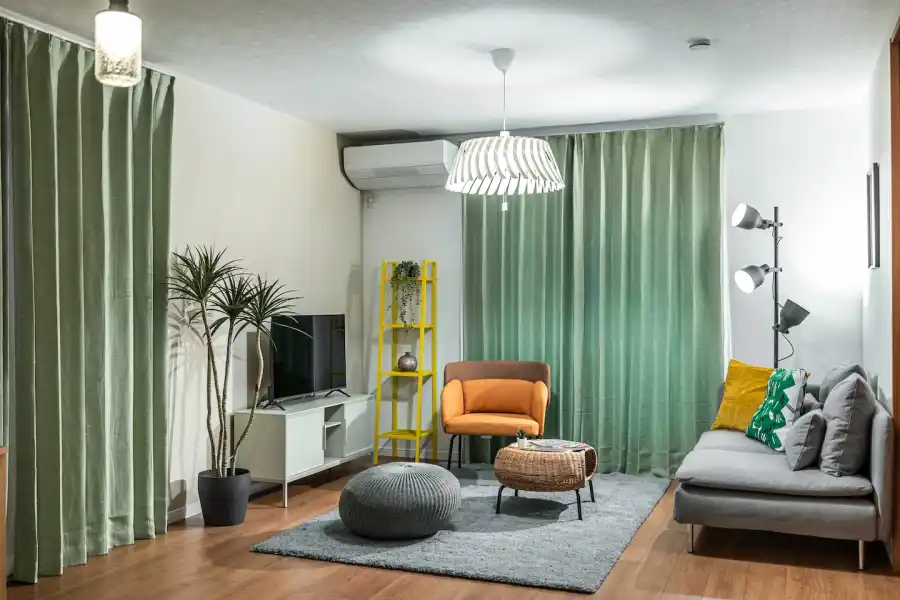
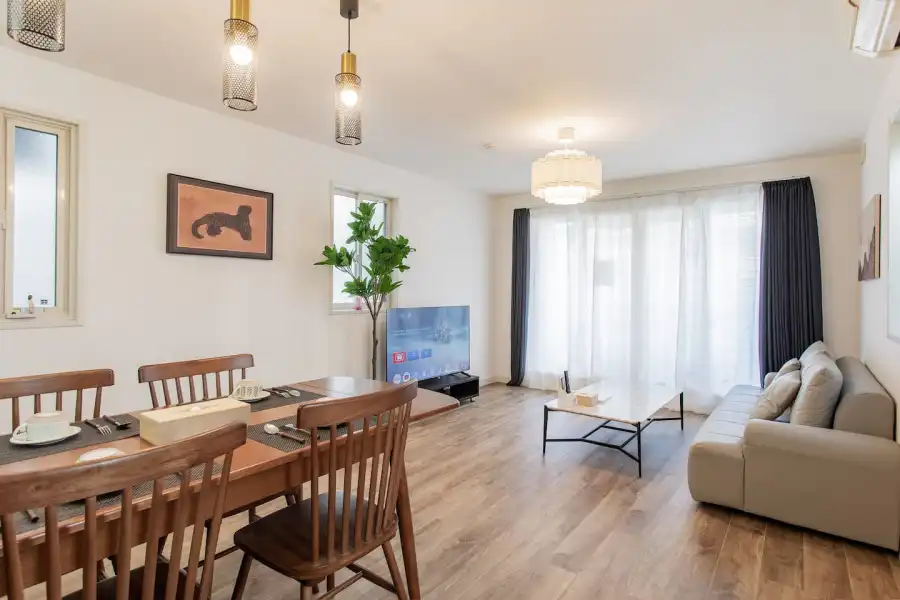
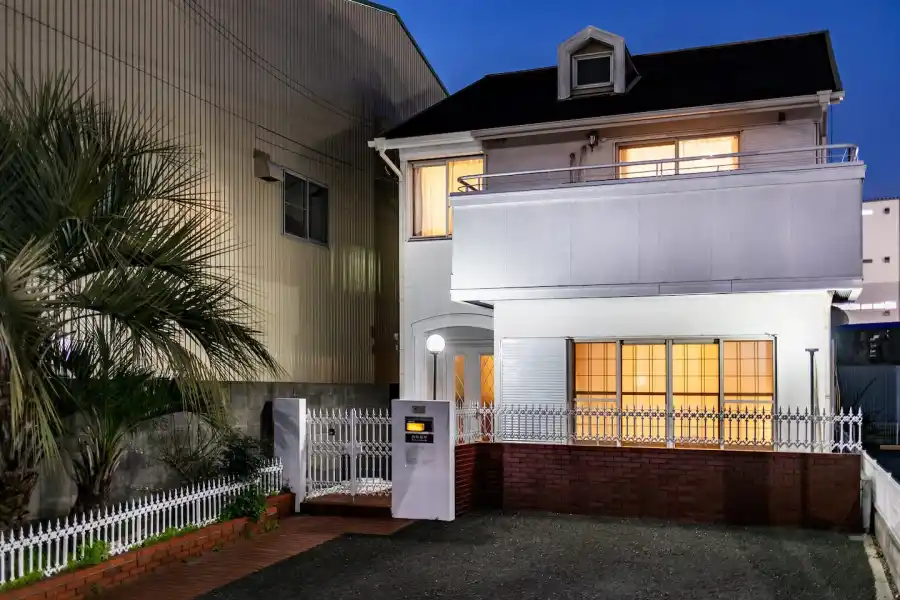
For a three-generation trip, fitting everyone in isn't enough. Grandparents care about stairs and the night-time trip to the toilet, parents about getting the kids to sleep, and the kids about room to run around. Osaka has plenty of whole homes you can rent outright, so three generations can stay under one roof — but Japanese houses come with a few things to watch for. We run homes in Osaka; here's what we'd check before booking.
The short answer
- For three generations in Osaka, a whole home where everyone stays together works best. We have 93 homes that sleep 6 or more and have at least two toilets (21 have three or more; the largest sleeps 18).
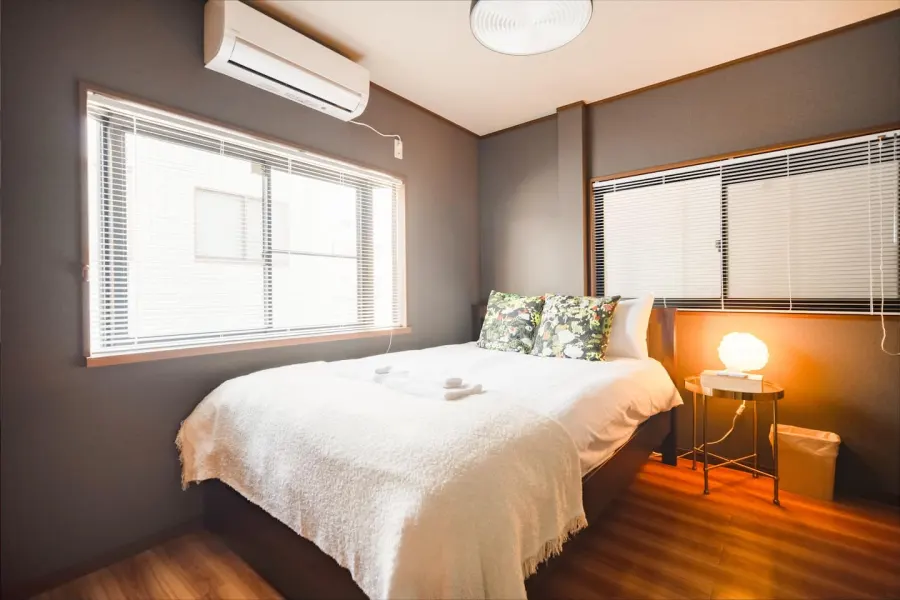
- With grandparents, look past the headline capacity: check on the floor plan which floor their bedroom can be on, whether it has beds or futons, and whether there's a toilet on the same floor.
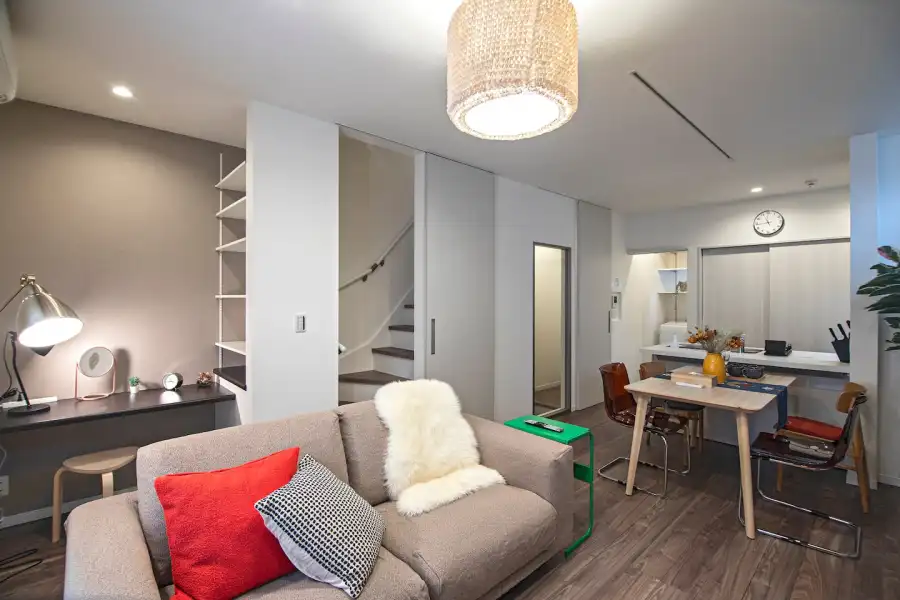
- Most Osaka houses have stairs inside, and only 3 of the 93 have an elevator. 89 have a bathtub.
- If someone can't manage stairs or uses a wheelchair, don't force a house — a hotel with elevators and accessible rooms is the safer choice.
- To keep walking short, stay near a station: 53 are within 5 minutes' walk. Groups of six or more usually need two taxis.
Several hotel rooms or one whole home for three generations?
| Several hotel rooms | Whole home (this site) | |
|---|---|---|
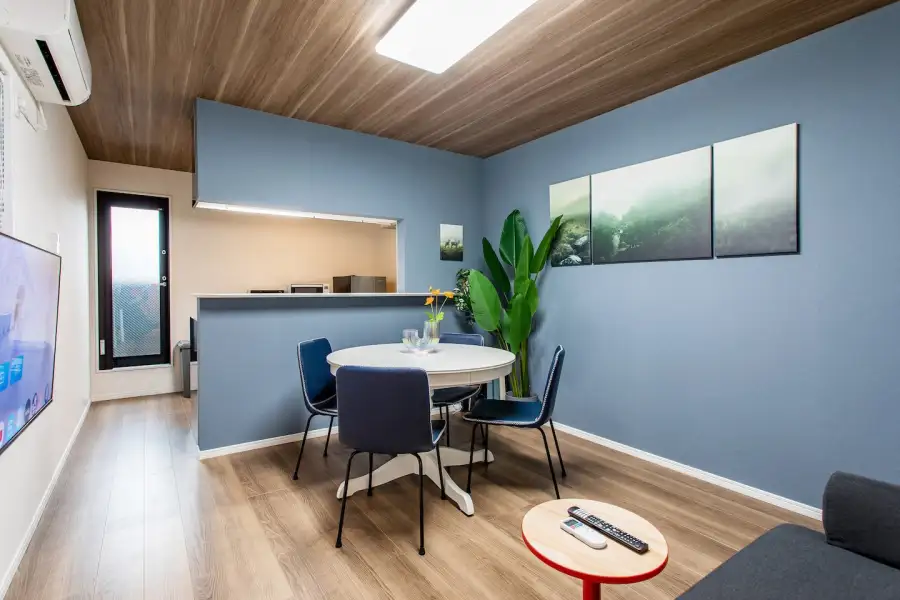
| Somewhere to gather | No (lobby, restaurants) | Living and dining room |
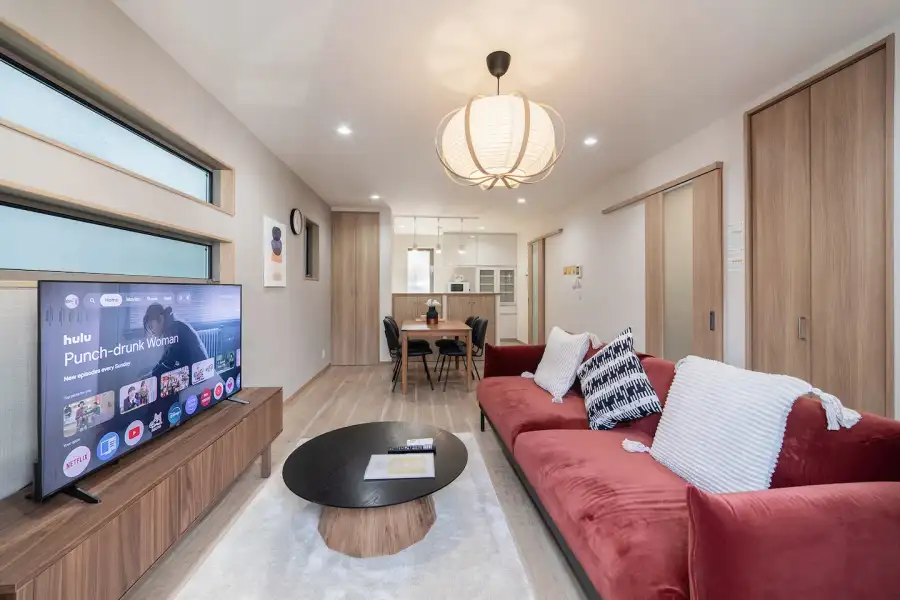
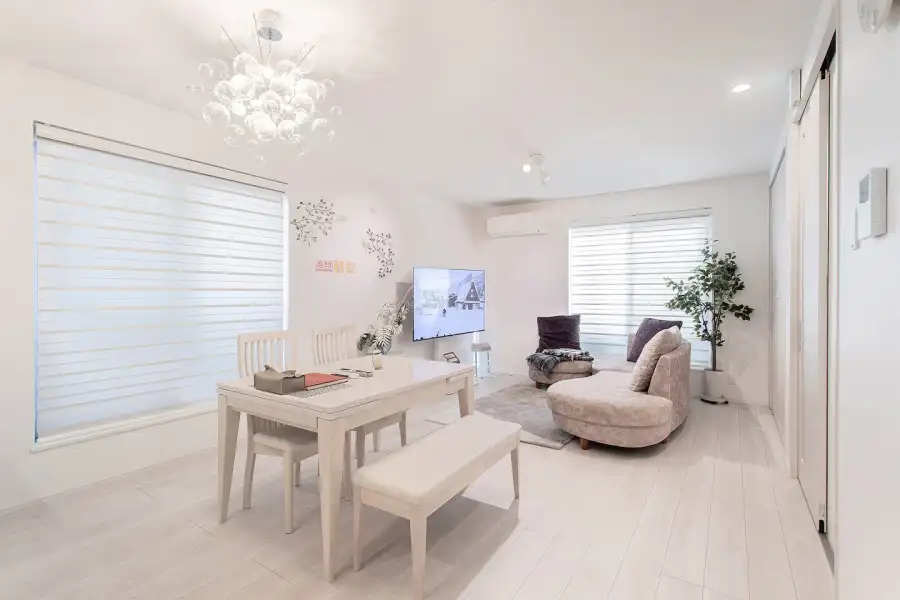
| Sleeping | A room per family (sometimes on different floors) | Separate bedrooms in the same house |
| Toilets | One per room | Two or more in every home (three or more in 21) |
| Stairs and elevators | Elevator to every floor | Stairs inside in most houses (elevator in 3 of 93) |
| Accessibility | Some hotels have accessible rooms | Most houses have a step at the entrance and stairs inside |
| Bathtub | Depends on the room | 89 of 93 have one |
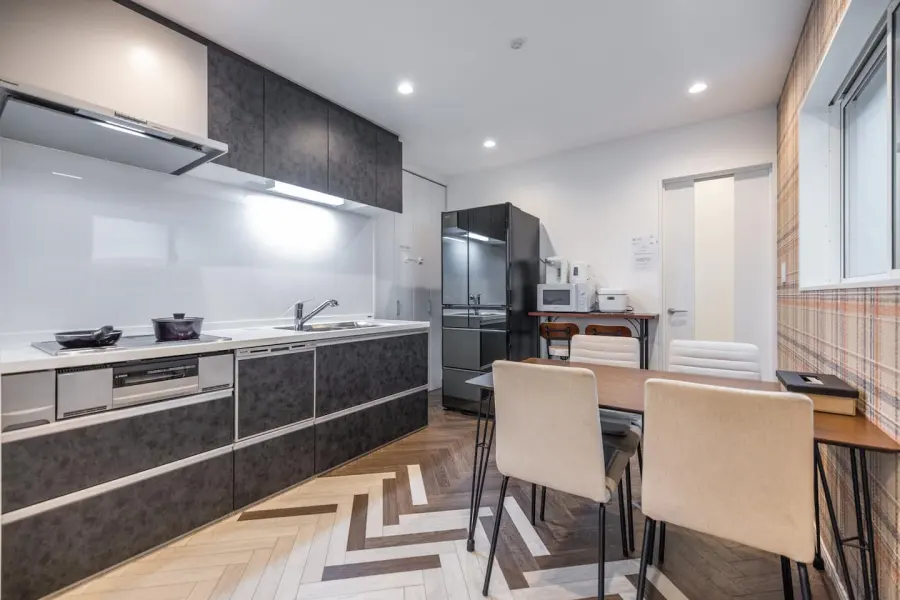
| Meals | Restaurants, eating out | Check each home for a kitchen; easy to bring food home and eat together |
| Best for | Someone who can't do stairs; one night | Spending time together, longer stays, young kids |
Rooms and facilities differ between hotels — check each hotel's own website.
Eight things to check before booking with grandparents
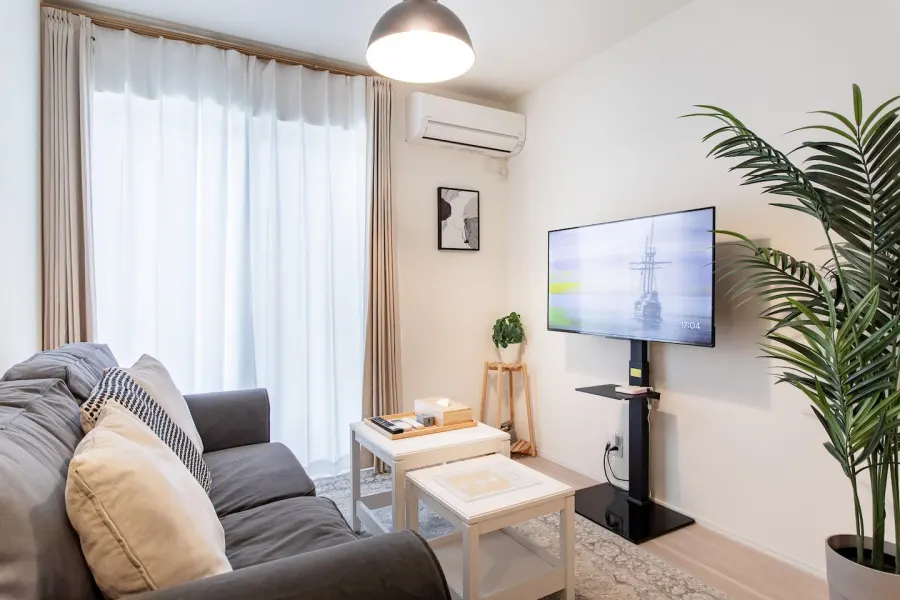
- Bedroom floor: check on each home's floor plan whether the grandparents can sleep on the first or second floor. In some homes all the bedrooms are upstairs.
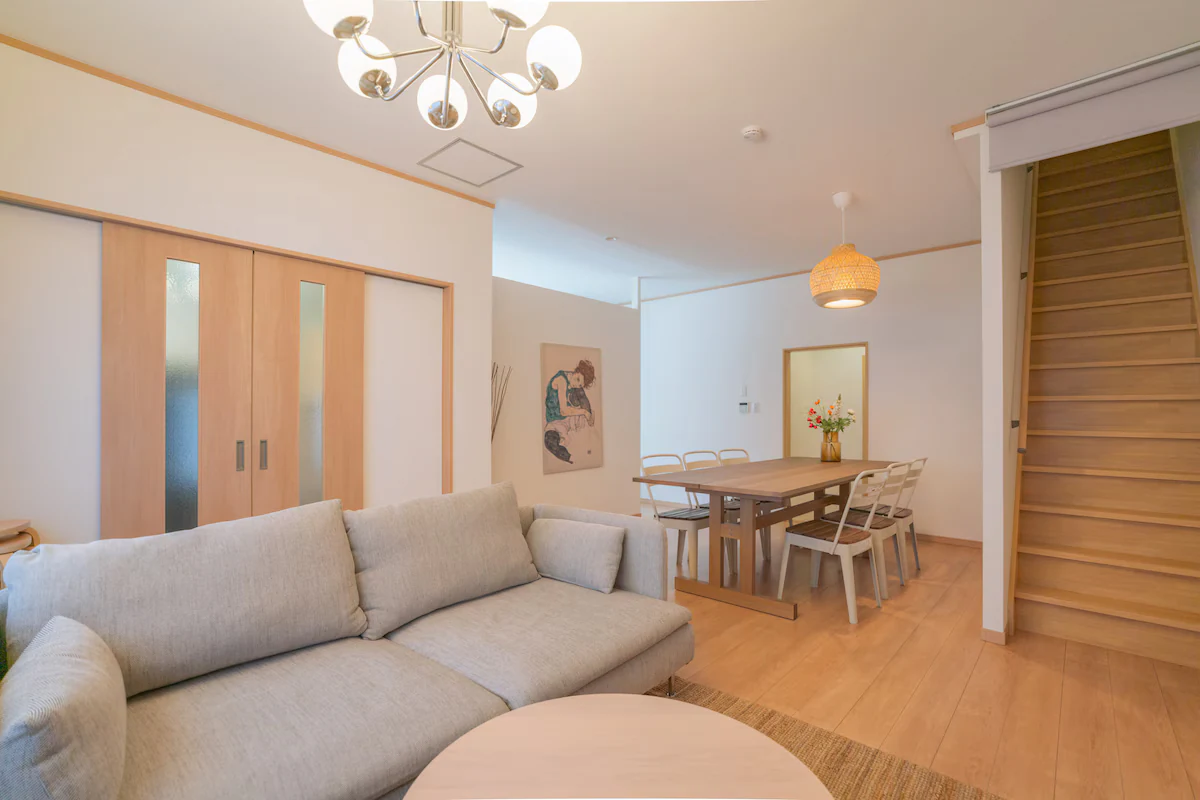
- Stairs: indoor stairs in Japanese houses can be steep and narrow. 3 of 93 have an elevator.
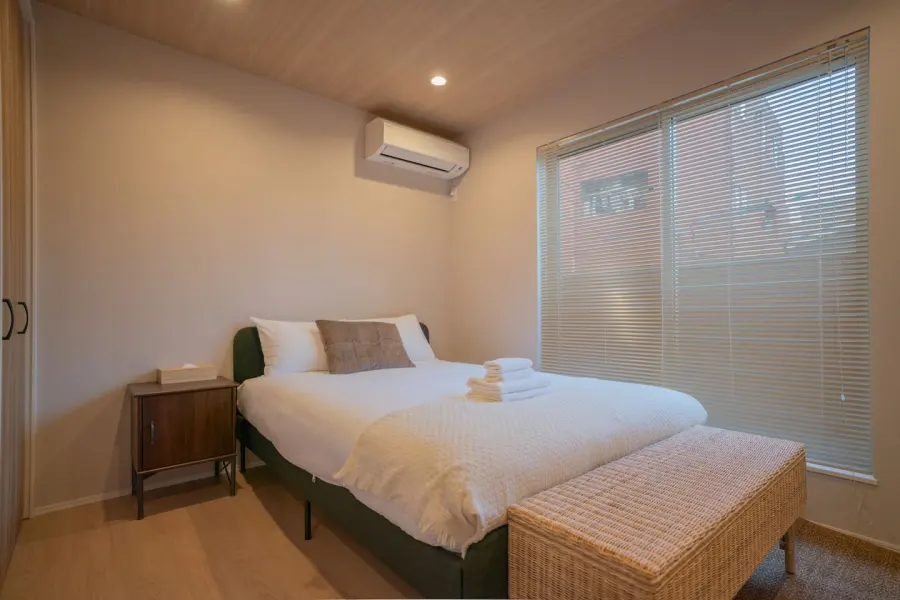
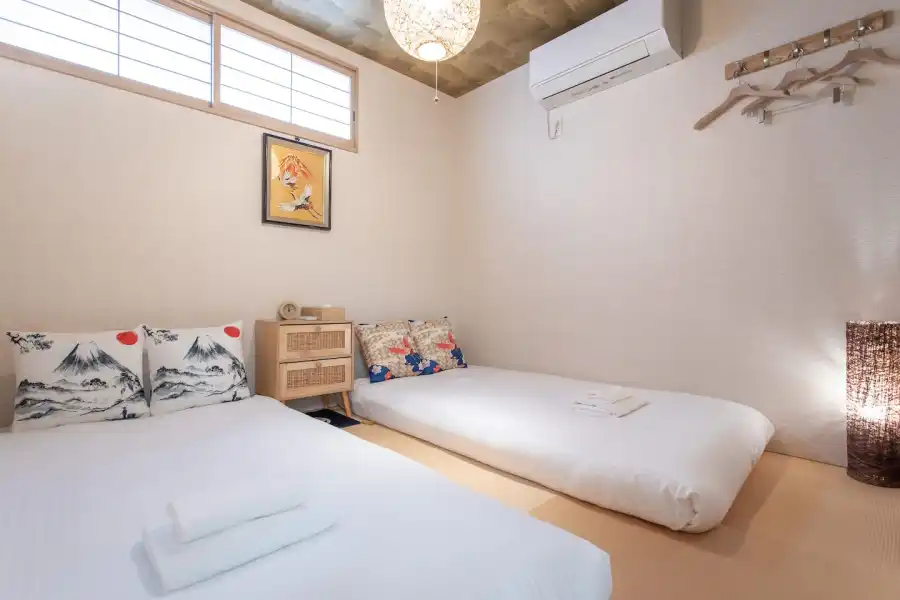
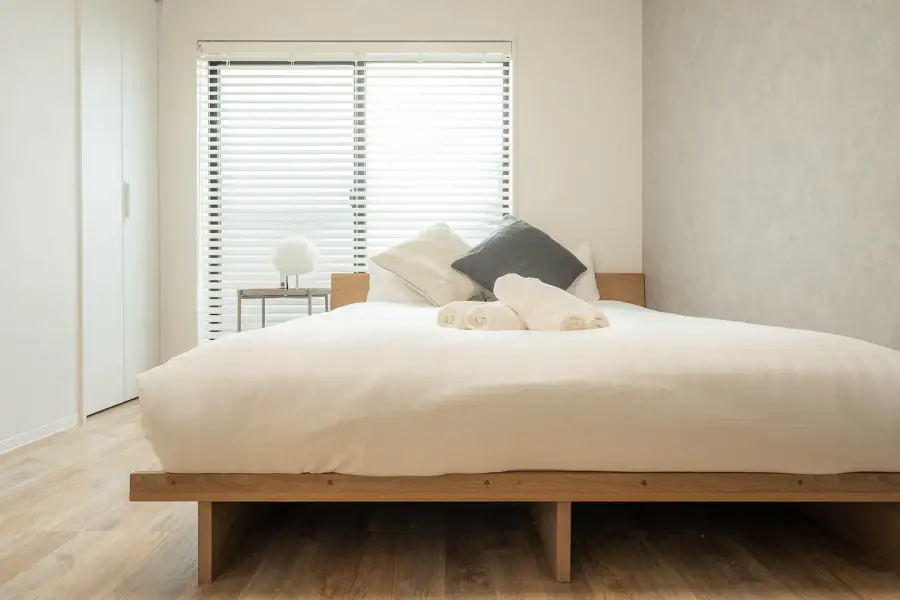
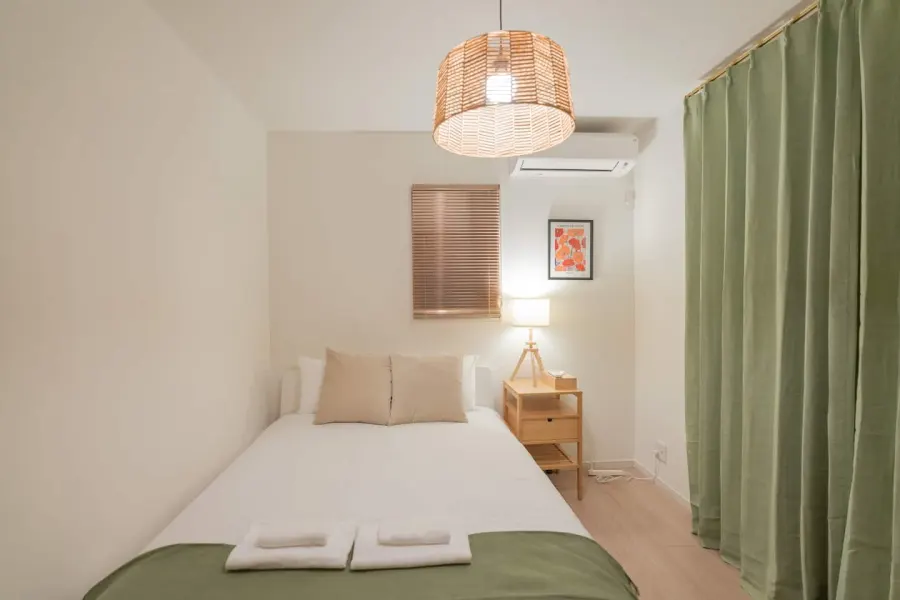
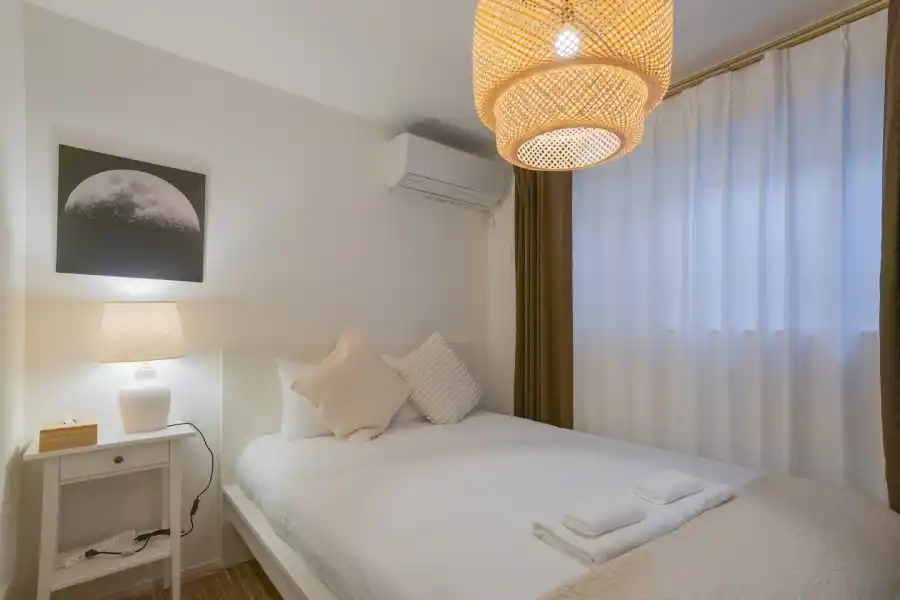
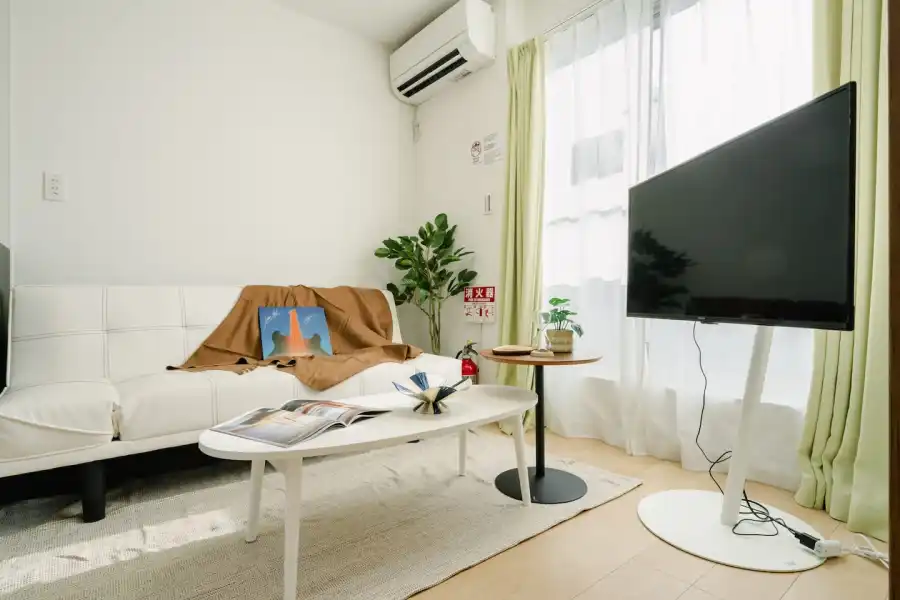
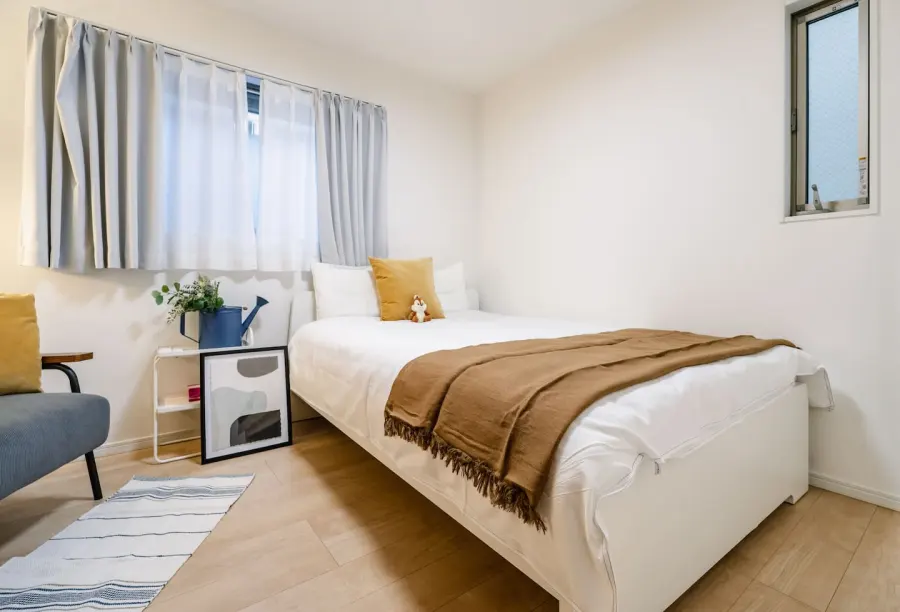
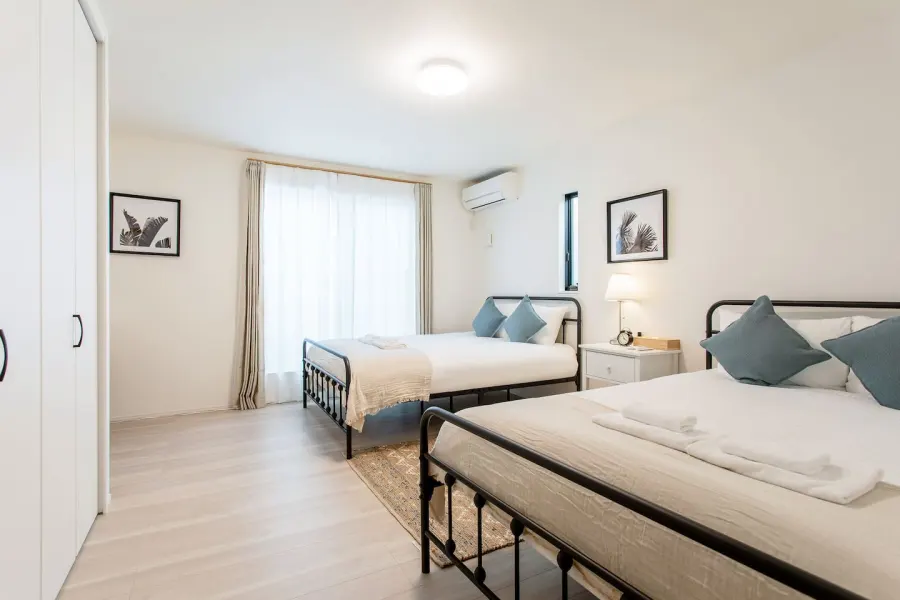
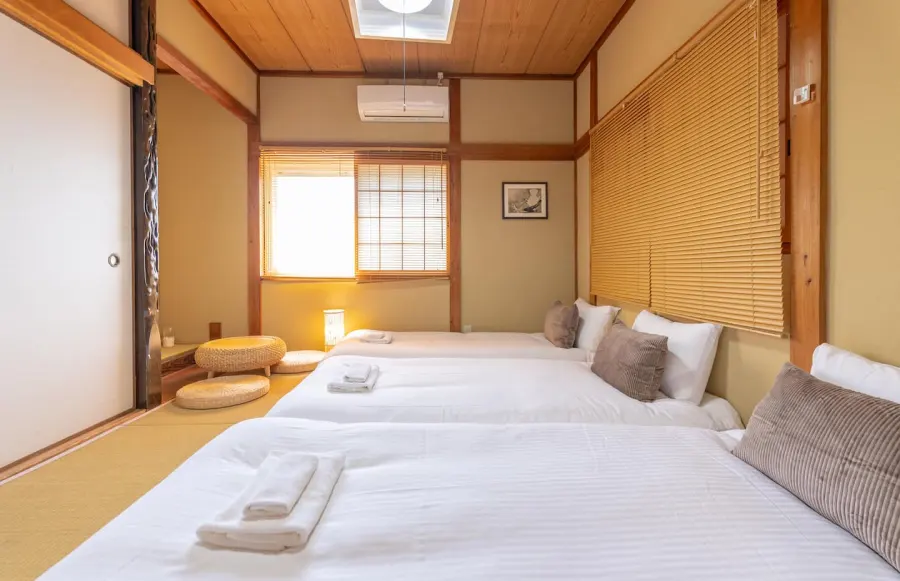
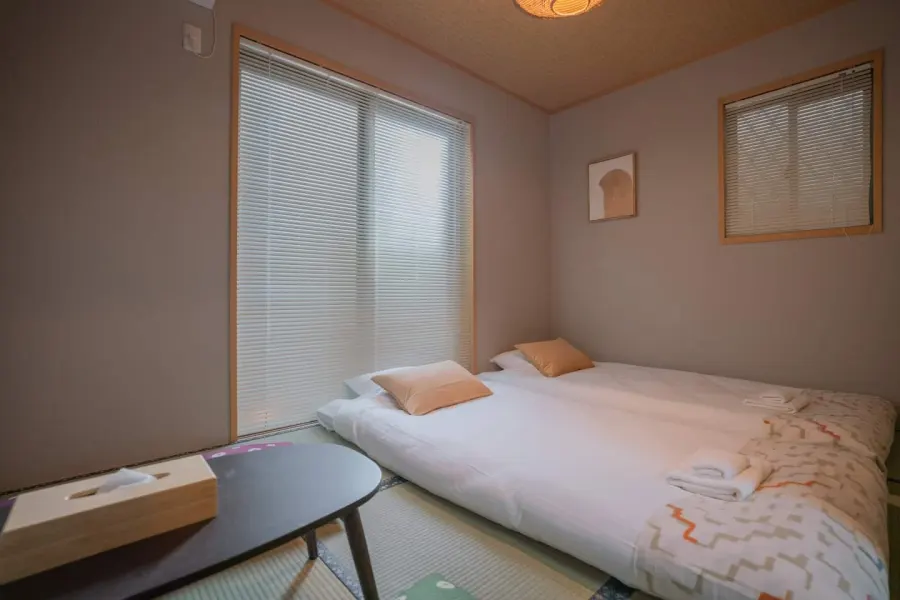
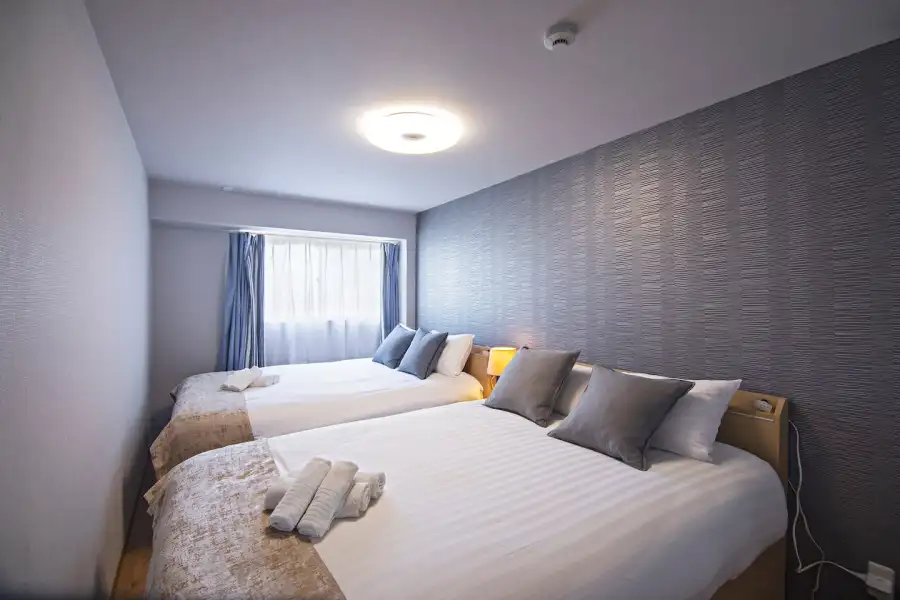
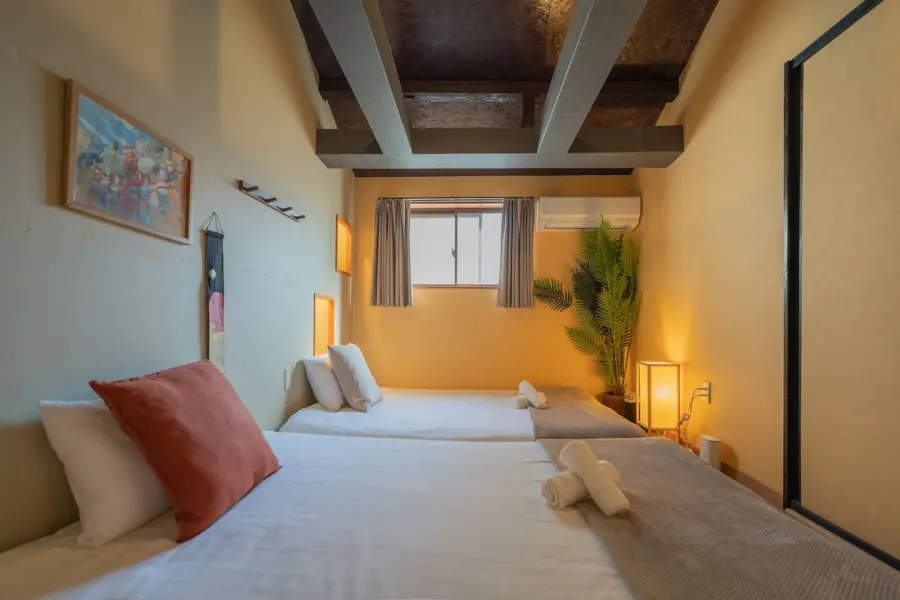
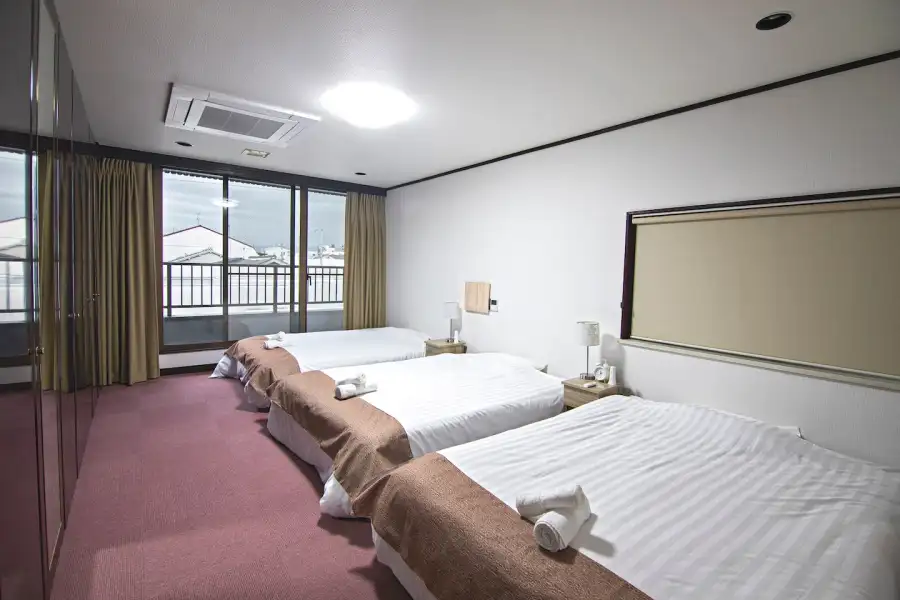
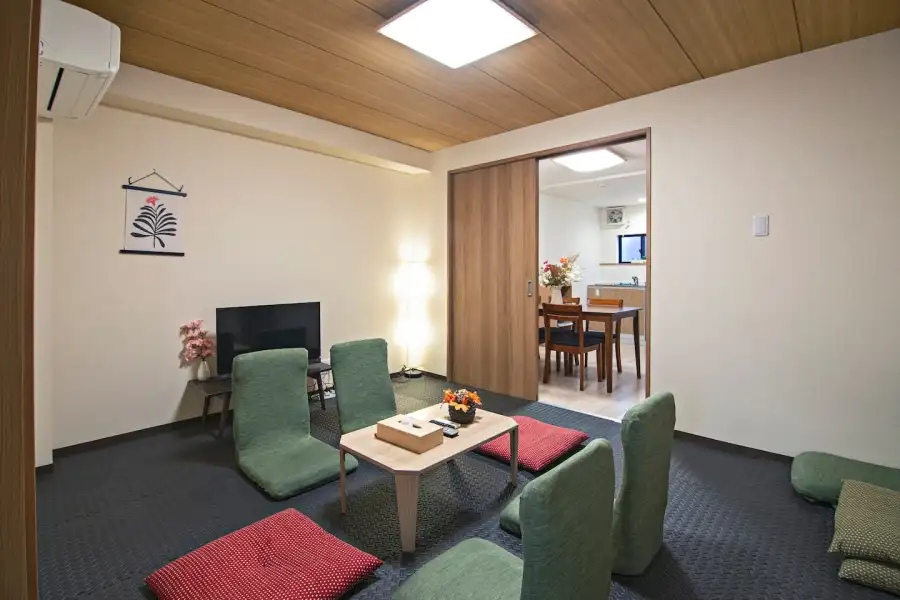
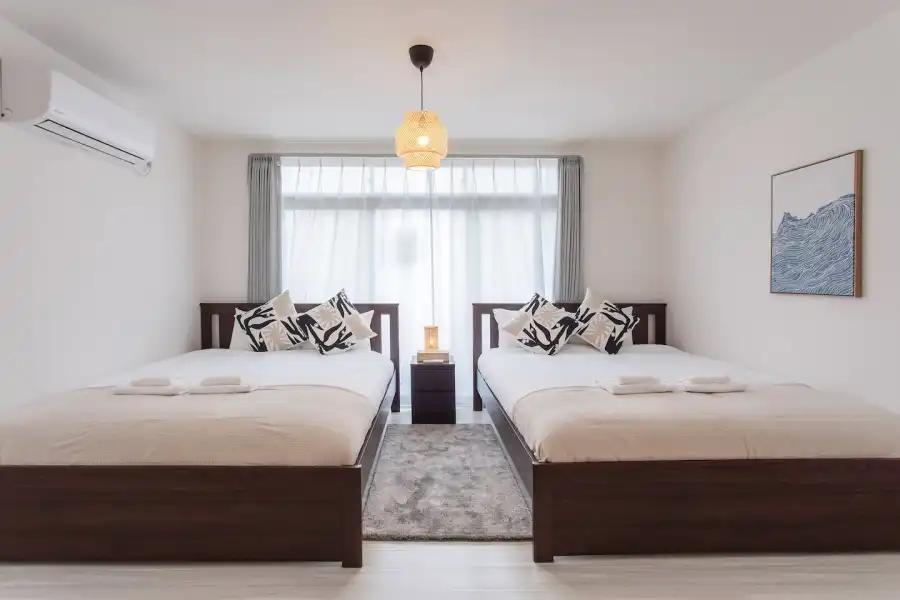
- Beds or futons: for sore knees or backs, a bed is easier to get up from. Futons (Japanese floor bedding) are popular with small children, and 39 homes have a tatami room. The bedding mix differs by home.
- Toilets: every home has at least two, and 21 have three or more. If someone gets up at night, check that there's a toilet on the same floor as their bedroom.
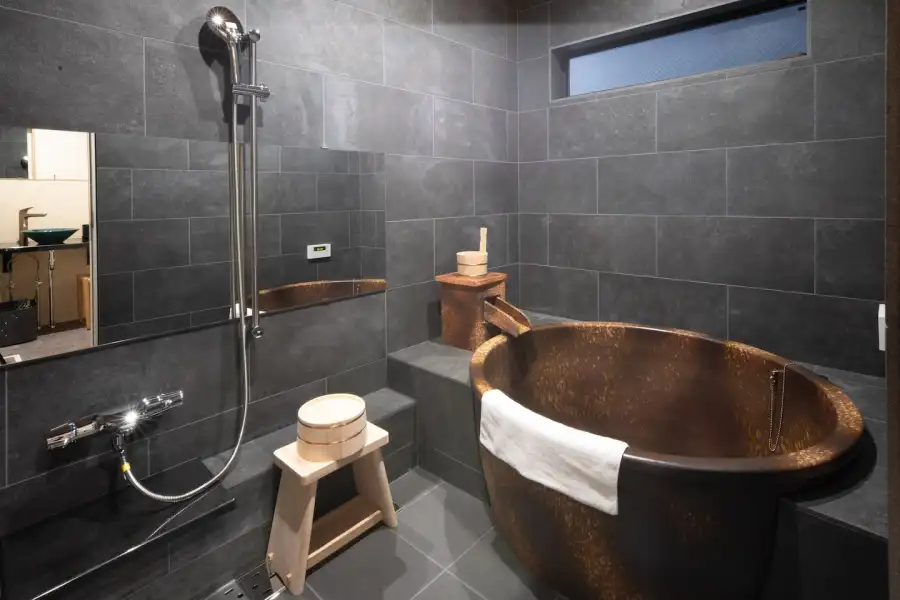
- Bathtub: 89 of 93 have one. Steps into the bathroom and grab rails differ by home — ask us before booking if it matters.
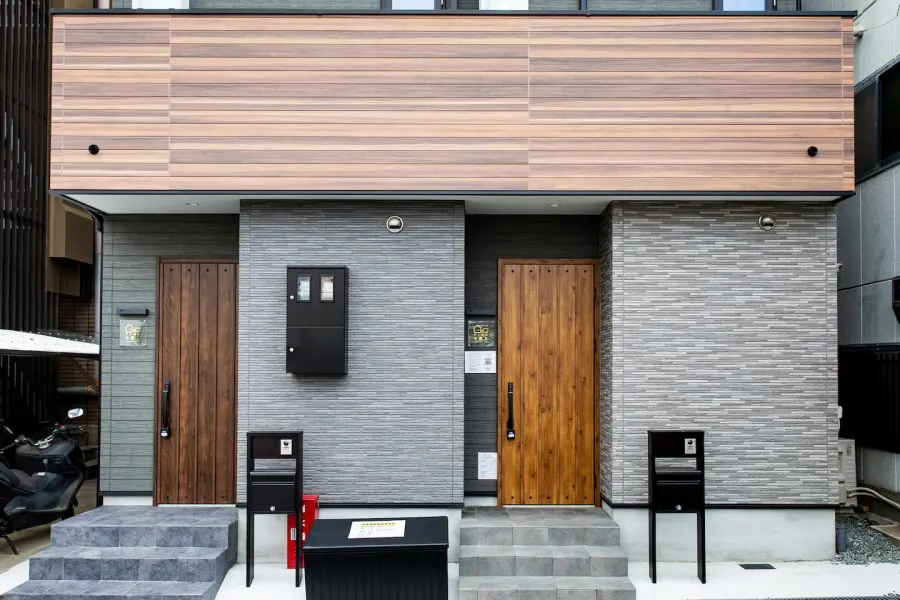
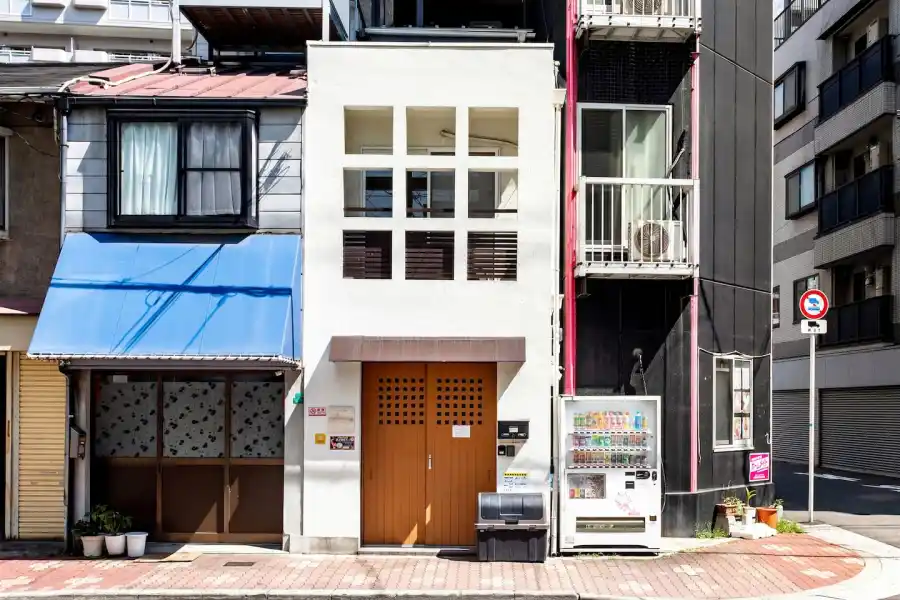
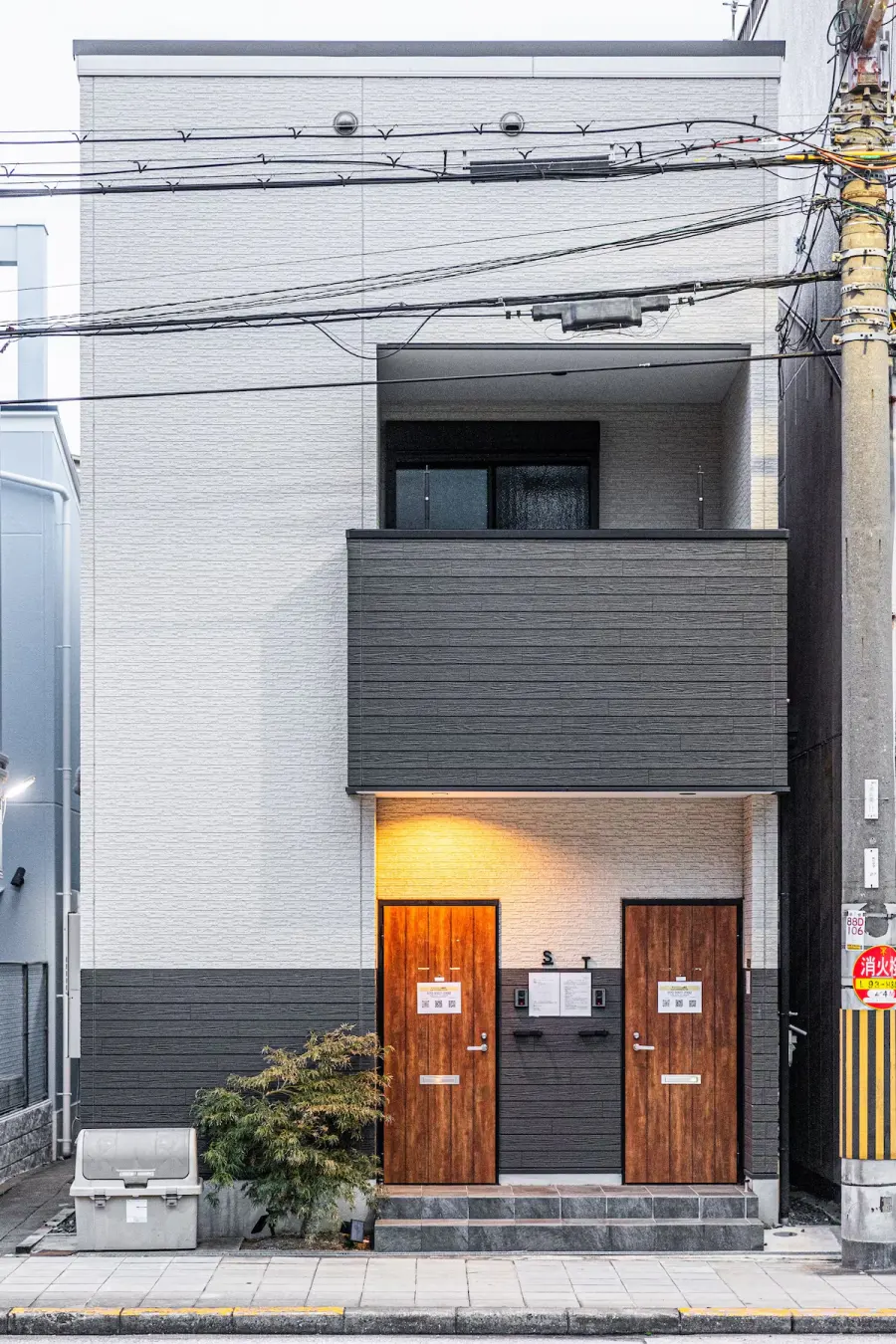
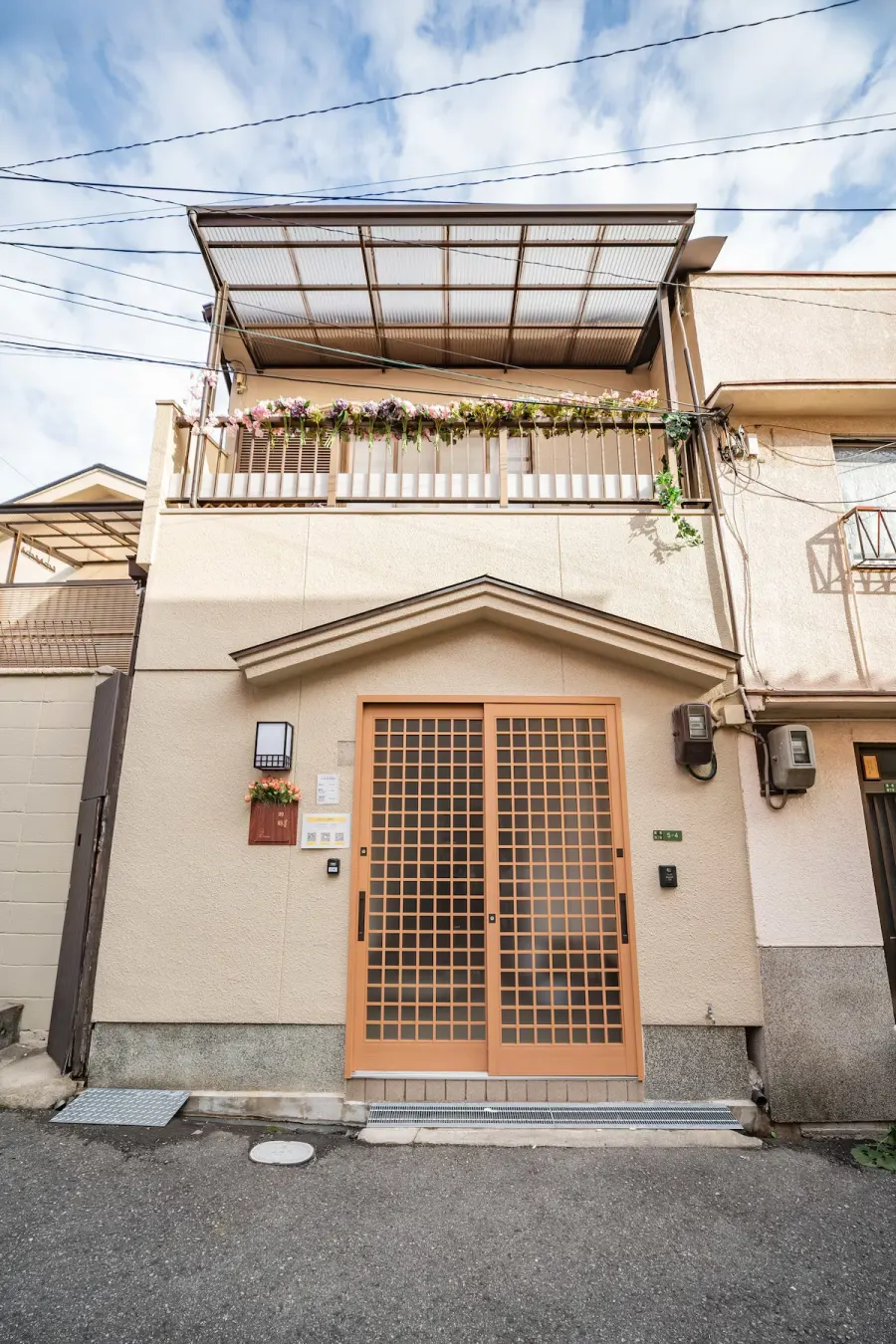
- Entrance: in Japanese homes you take off your shoes at the door and step up into the house. On arrival day, have one person go in first and take the bags.
- Distance to the station: 53 are within 5 minutes' walk (2–15 minutes overall). Each card shows the station and walking time.
- Parking: 39 have private parking. A car makes getting around much easier for grandparents (check spaces and size limits on each home).
💡 Decide who sleeps where before you book. For example: grandparents in a bedroom with beds on a lower floor, parents and kids on futons in the tatami room. Working it out from the floor plan saves a lot of shuffling on arrival.
How many homes for your group size (this site)
- Sleeps 6–7: 23
- Sleeps 8–9: 45
- Sleeps 10 or more: 25
- Largest: Seiwa Tabitime Tamade-Higashi 3, sleeps up to 18
💡 With at least as many bedrooms as families, everyone keeps their own rhythm: grandparents turn in early, and parents can relax in the living room once the kids are asleep.
Getting around: trains, taxis and cars
Stations with the most of these homes: Kishinosato-Tamade (12), Kishinosato (9), Tengachaya (8), Teradacho (7), Sumiyoshi-Taisha (6).
From each home's nearest station it's about 1–30 minutes to Namba by train; 77 have a direct train with no change.
Most taxis in Osaka take up to four passengers. With six or more, split into two taxis or book a larger jumbo taxi in advance so everyone travels together.
On narrow residential streets, a car sometimes can't reach the front door and drops you a little way off. If anyone has trouble walking, check the street outside on the map on each home's page.
💡 Seeing Kyoto too? We have a separate guide to choosing a whole home or machiya townhouse in Kyoto. If you have a USJ day, see our guide to staying near USJ with kids.