GUIDE · KYOTO MACHIYA & WHOLE HOMES
Renting a whole machiya townhouse in Kyoto: how to choose
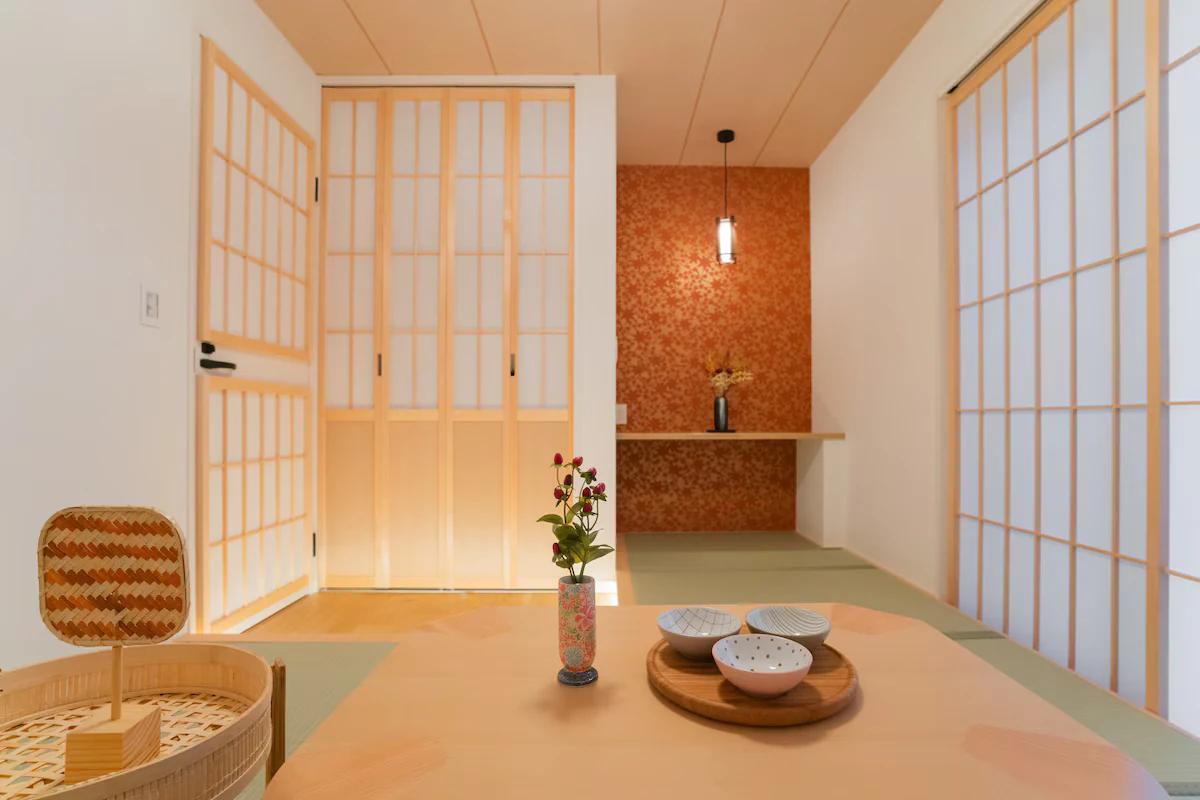
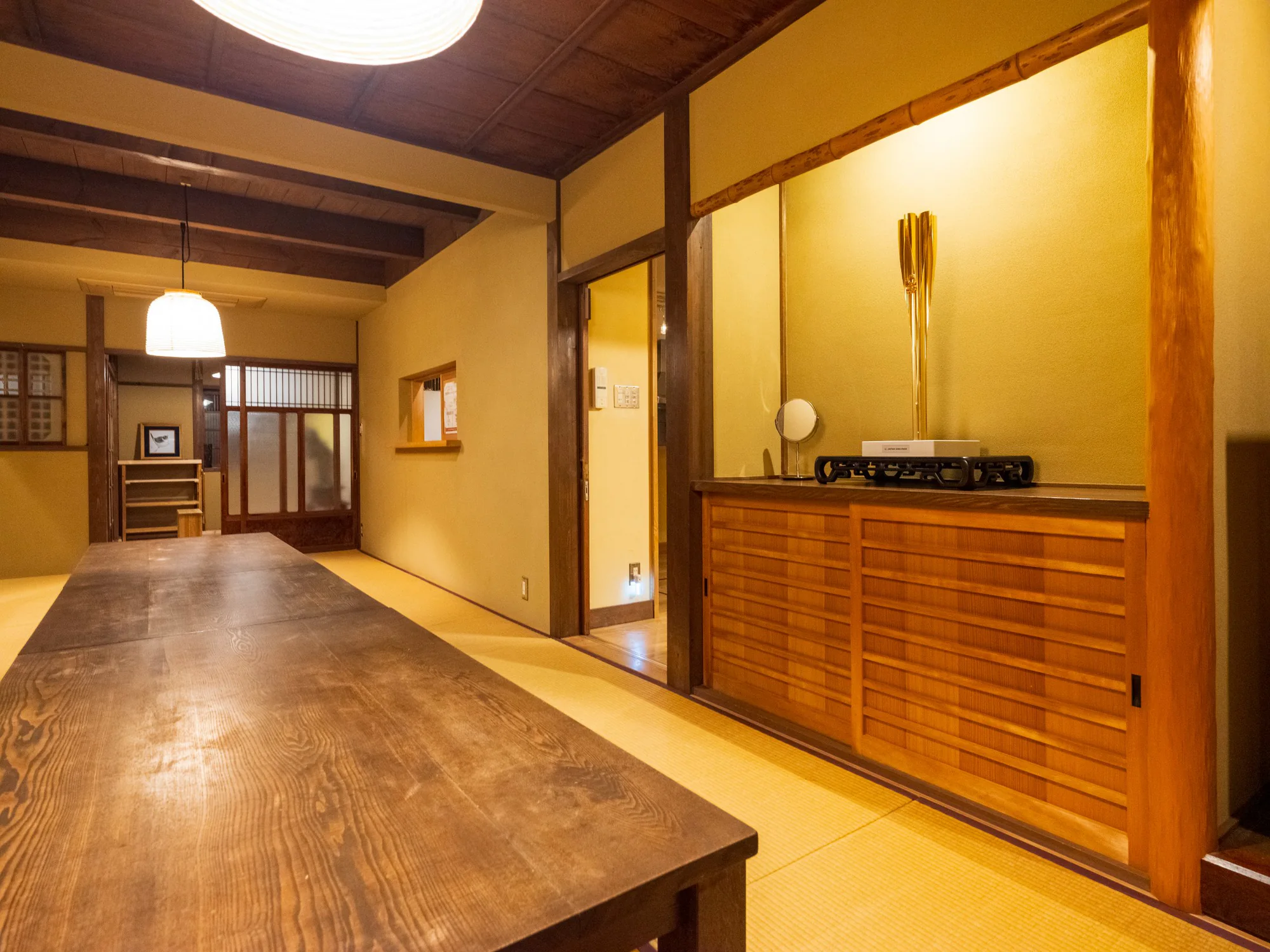
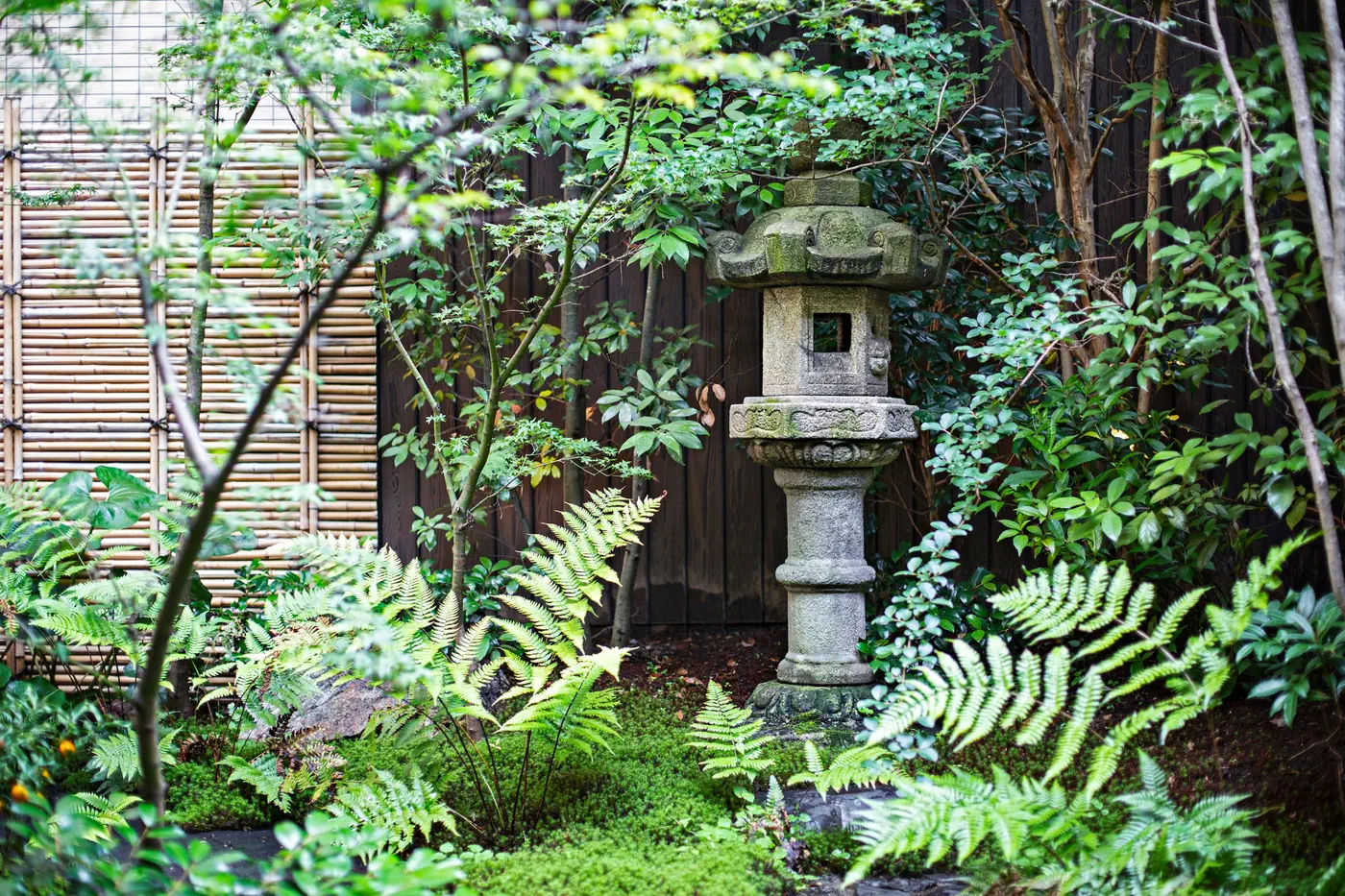
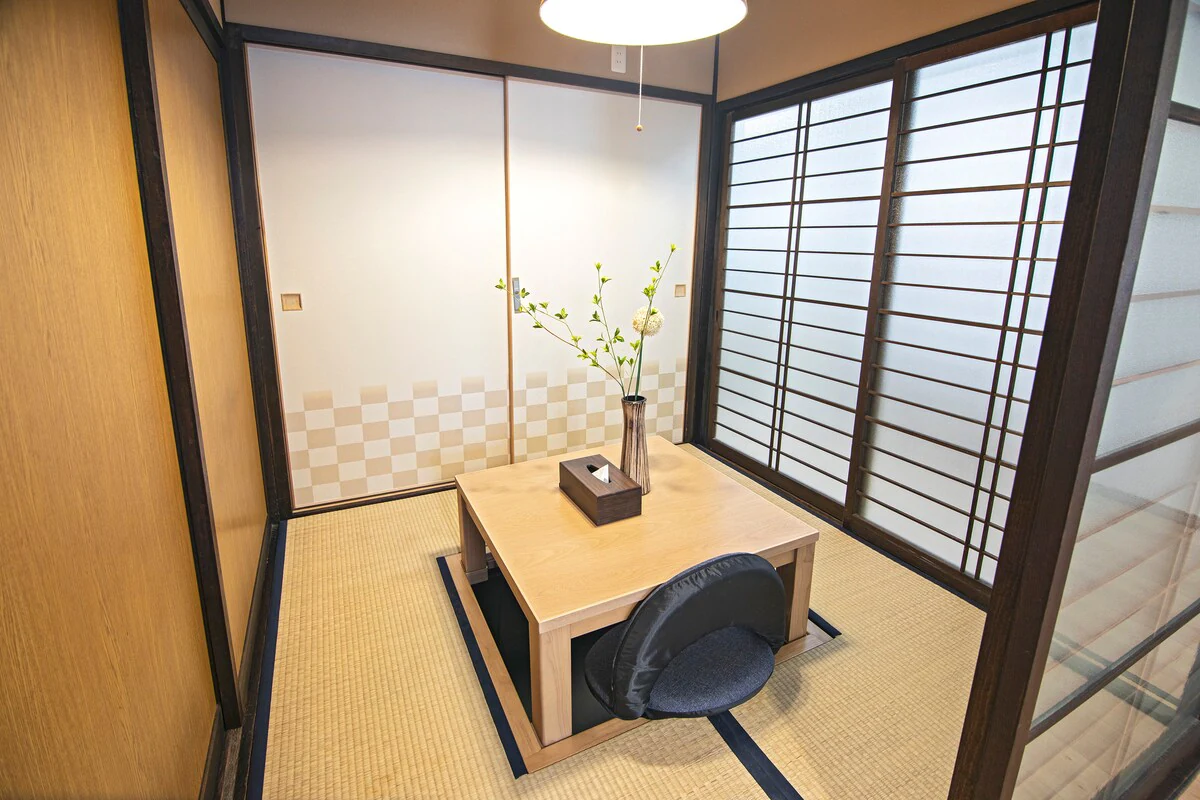
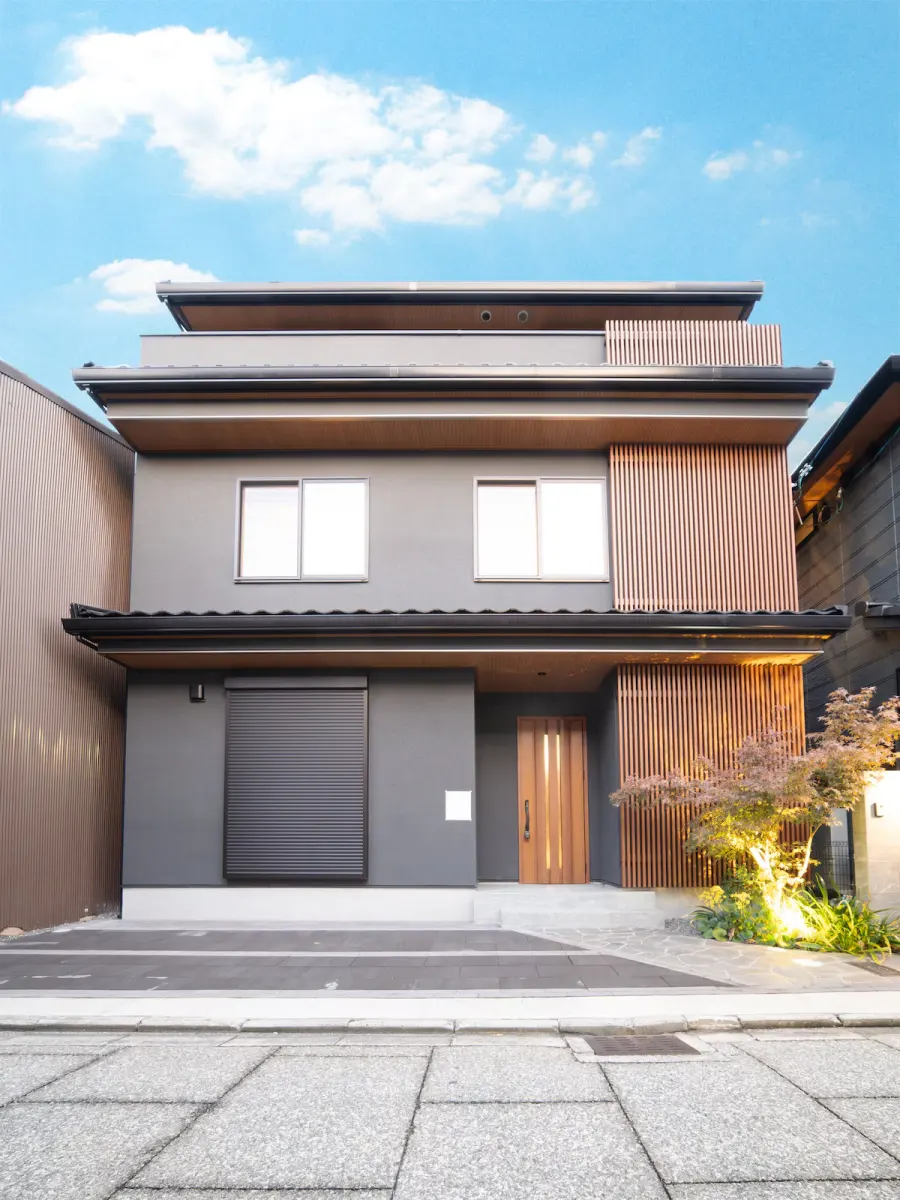
Staying in a Kyoto machiya means a latticed front door, tatami rooms and sometimes a tiny courtyard garden — all to yourselves. But many machiya keep their old wooden structure, and if you book one expecting a hotel you may be surprised by steep stairs, cold floors in winter or a single bathroom. We run homes in Kyoto and Osaka; here's what we'd want you to know before you choose.
The short answer
- A whole-machiya rental means your group alone rents a traditional wooden Kyoto townhouse — narrow at the street, long and deep inside. There's no front desk and no meals; the living space and tatami rooms are yours alone.
- This site has 17 whole homes in Kyoto: 4 are machiya or old-house style and 13 have a tatami room (the largest sleeps 14). Kyoto has fewer homes than Osaka, so book early once your dates are set.
- Before falling for the photos, check four things: how steep the stairs are and which floor the bedrooms are on, the number of bathrooms and toilets, heating for winter, and the walk from the station. With grandparents, a ground-floor bedroom makes life easier.
- If you'd like dinner and breakfast served, or the hospitality of a host on site, a machiya inn or a ryokan suits you better than a whole-home rental.
- If Kyoto is full on your dates, stay in Osaka — where there are far more homes — and day-trip to Kyoto. Osaka and Kyoto are linked without a change by the JR Kyoto Line, the Hankyu Kyoto Line and the Keihan Main Line.
Whole machiya, machiya inn or hotel: what's the difference?
| Whole machiya (this site) | Machiya inn / machiya hotel | Standard hotel | |
|---|---|---|---|
| What you rent | The entire house | Varies (some take one group a day, others have several rooms) | A room |
| Staff | None on site. Self check-in; support 9:00–23:00 Japan time | Usually a host or staff on site | Front desk (often 24 hours) |
| Meals | Not included (check each home for a kitchen) | Some offer breakfast and dinner plans | Restaurant or breakfast plans |
| Group size | Up to 14 in one house | Mostly 2–4 per room (varies) | Mostly 2–4 per room |
| Machiya feel | The whole house — lattice, tatami, courtyard garden (varies by home) | The building plus the hosts' hospitality | Some rooms have tatami |
| Best for | Families, groups, three generations, longer stays | Small groups who also want Kyoto-style meals and service | 1–2 nights, travelling light |
Facilities and services differ between machiya inns and hotels — check each one's official information.
Our Kyoto whole homes right now
- Machiya or old-house style: 4 of 17
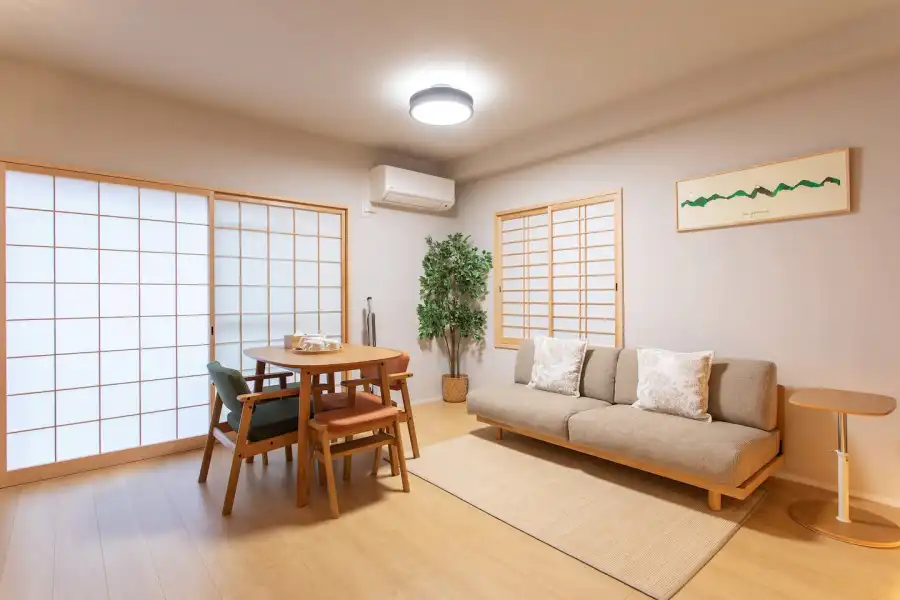
- Tatami room: 13
- Sleeps 6 or more: 9 (8 or more: 4)
- Two or more toilets: 9
- Bathtub: 17
- Private parking: 3
- Largest: Kiyomizu Kozuki, sleeps up to 14
💡 Two machiya townhouses in the Gion area are scheduled to open in December 2026 and will appear in the list below automatically. If the machiya are booked, a house with a tatami room still gives you futons on tatami and a Japanese feel.
Eight things to check before booking a machiya
- Stairs: machiya and Kyoto houses often have steep indoor stairs. None of our Kyoto whole homes has an elevator. With grandparents or small children, check the floor plan for a ground-floor bedroom before booking.
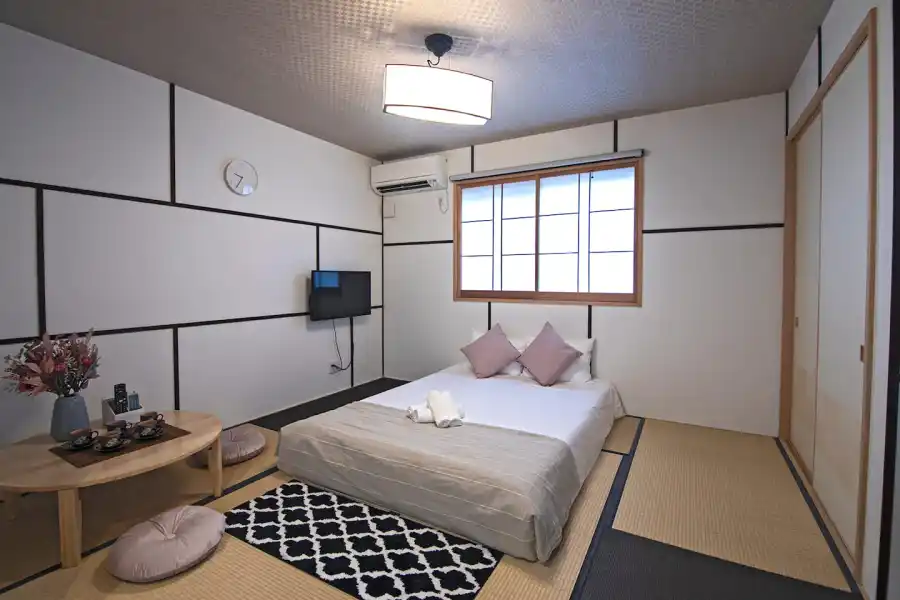
- Bedding: the mix of beds and futons on tatami differs by home. At some homes you lay out and put away the futons yourselves.
- Bathrooms and toilets: 17 have a bathtub and 9 have two or more toilets. In a big group, agree on an evening bath order.
- Seasons: old wooden houses feel cold underfoot in winter and warm in summer. Check heating and air conditioning on each home's page.
- Steps: the step up from the earthen entrance, stones around the courtyard garden and the veranda edge are easy places for small children to trip.
- Distance from the station: 1–17 minutes' walk from the nearest station, 8 within 5 minutes. Kyoto lanes are narrow, so think about how far you'll be pulling suitcases.
- Driving: central Kyoto has narrow, often one-way streets, so trains are the easier way around. 3 have private parking.
- Neighbourhood rules: most machiya sit in long-established residential streets. Keep voices low in the lane and at the door at night, and sort rubbish into the right place. House rules are on each home's page.
Which part of Kyoto?
Around Kyoto Station: the Shinkansen, JR lines, the subway and Kintetsu all meet here, with direct trains to Fushimi Inari, Arashiyama, Nara and Osaka. Arrival and departure days are easy.
Shijo, Karasuma and Kawaramachi: Kyoto's busiest district, with the most restaurants and shops — you can walk out for dinner.
Higashiyama and Gion: walk to Kiyomizu-dera, Yasaka Shrine and Hanamikoji; this is where old machiya streetscapes survive. It's popular, so expect crowds in the daytime.
Arashiyama: near the bamboo grove and Togetsukyo Bridge. It quietens down in the evening; you'll take the train into central Kyoto.
Stations with the most of our Kyoto whole homes: Kiyomizu-Gojo (3), Arashiyama (2), Nijo (2), Jujo (2), Kitano-Hakubaicho (1).
💡 If Kyoto is full on your dates, you can stay in Osaka and travel in. The JR Kyoto Line, Hankyu Kyoto Line and Keihan Main Line link the two cities with no change, and Osaka has plenty of whole homes for big groups.