SLOW TRAVEL · DAILY LIFE · SENTO
Sento: the neighbourhood bathhouse, a daily ritual on a slow stay in Osaka & Kyoto
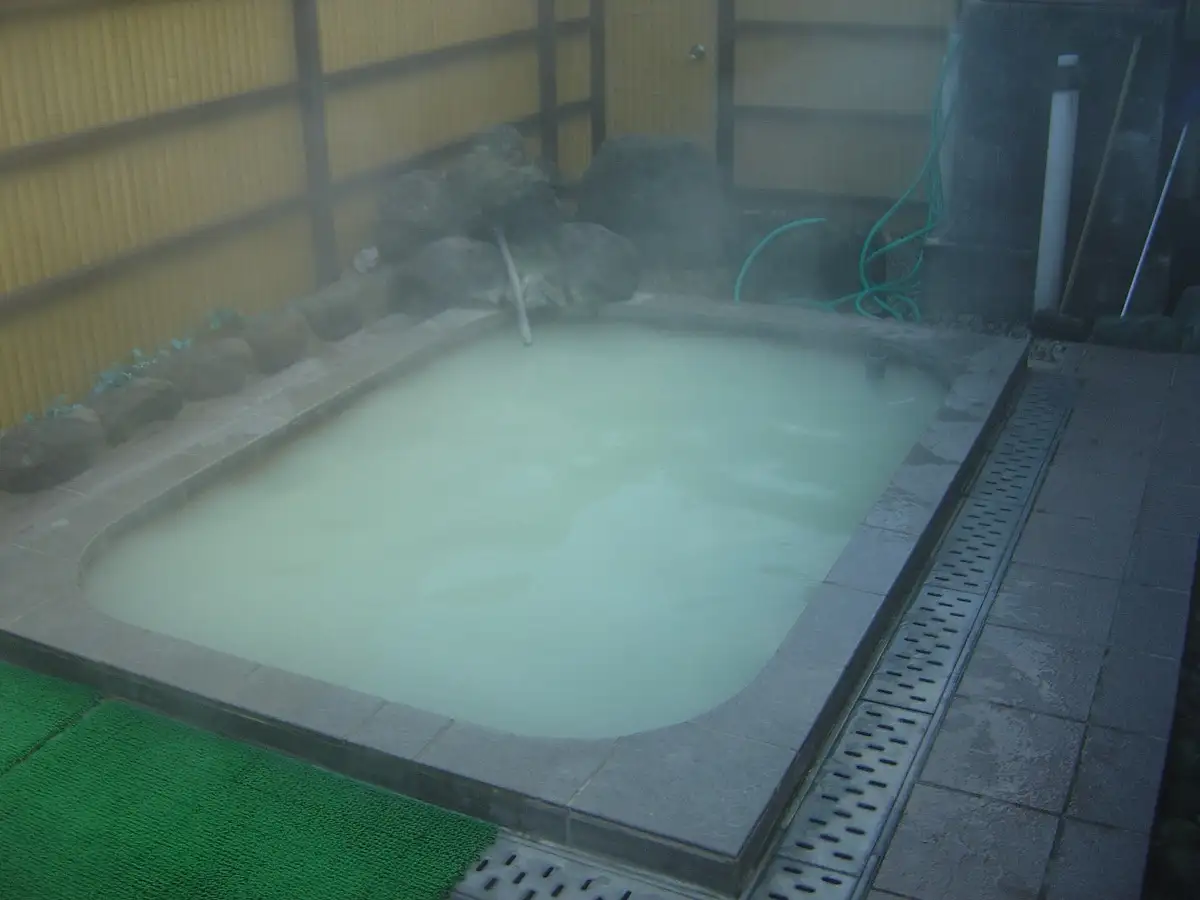
On a short trip, an onsen is a special outing. When you live somewhere for a few weeks, the neighbourhood sento becomes a daily habit: after a long day on your feet you walk round the corner with a towel, sink into a big hot bath, then pick up something for dinner on the way home. It's the most local thing you can do in Osaka or Kyoto.
The short answer
- A sento is a neighbourhood public bathhouse; in Osaka and Kyoto there is often one a few minutes' walk from home.
- Bring a towel, shampoo and body wash. Many sento also sell or rent small towels and soap, but it varies, so check at the counter.
- Etiquette: wash thoroughly before getting in, keep your towel out of the water, tie up long hair, keep your voice down, and dry off before going back to the changing room.
- Tattoos: policies vary and some places don't admit guests with tattoos, so check each place before you go.
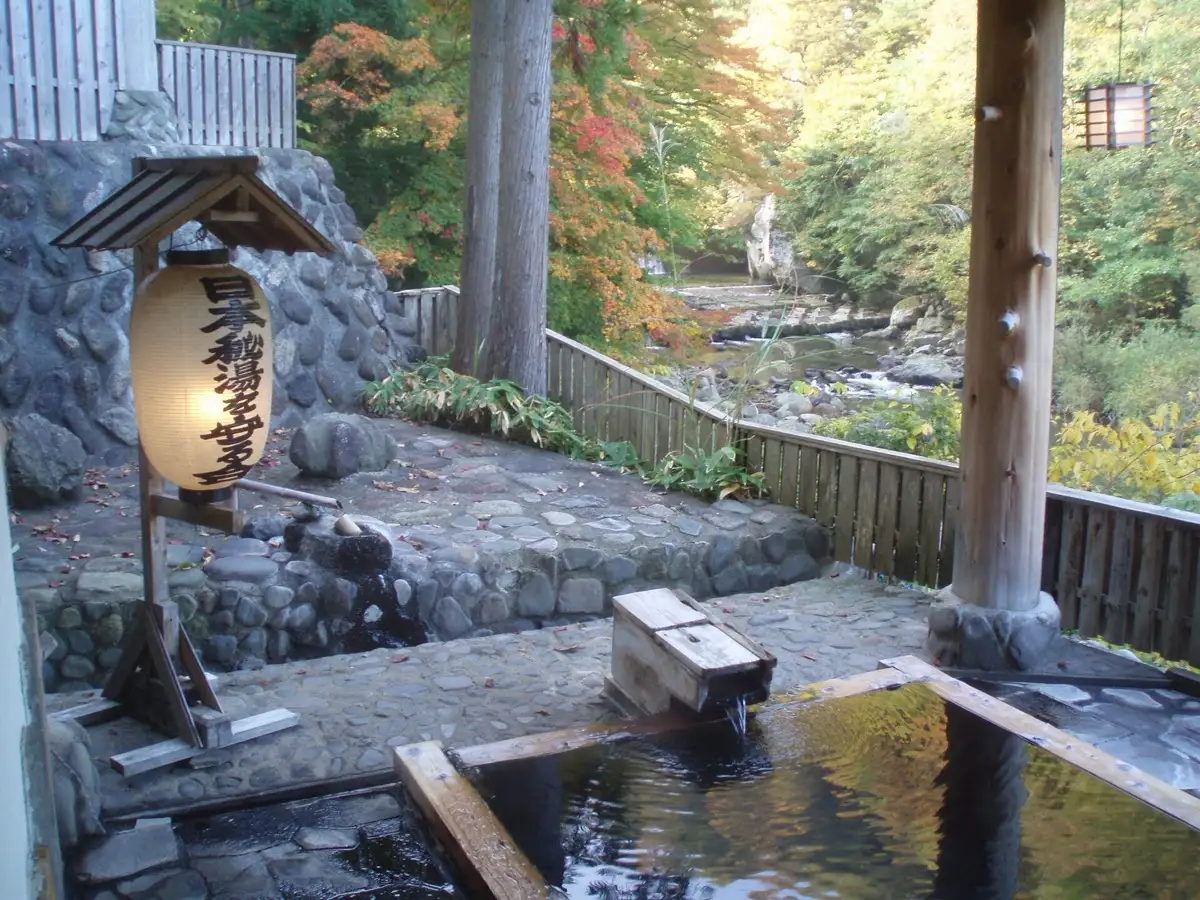
- Sento are for every day; Spa World in Shinsekai is a whole afternoon out, and Arima Onsen near Kobe is a proper hot-spring day trip.
Why a sento belongs in a slow stay
- End-of-day ritualafter a day of walking, a big hot bath loosens everything.
- Room to stretchhowever nice the tub at home, nothing beats a bath you can stretch out in.
- Neighbourhood liferegulars greet each other and chat; you see a side of the city that sightseeing never shows.
- Becoming a regularafter a few visits the person at the counter recognises you, and the street on the way starts to feel like yours.
- Varietyevery neighbourhood's sento has its own character, from big painted murals to old wooden buildings, so a few weeks is enough to try several.
Your first visit, step by step
- Packa large towel for drying and a small one for washing, shampoo, body wash and clean clothes. Many sento sell or rent small towels and soap, but not all, so ask at the counter.
- Shoessome sento ask you to take your shoes off at the entrance and leave them in a shoe locker.
- Pay and choose your sidepay at the counter or a ticket machine. Baths are separated by gender; look for 男 (men) or 女 (women) on the curtain.
- Changing roombathing is fully nude. Put your clothes in a locker or basket and take only your small towel and toiletries into the bath room.
- Washsit on a stool at the shower stations and wash from head to toe, rinsing off all the soap.
- Soaklower yourself in slowly. Keep the first soak short, and get out to sit and cool down whenever you feel hot.
- Before you leavewipe yourself down with your small towel by the bath-room door, then go back to the changing room.
Etiquette locals care about
- Wash firstalways wash thoroughly at the showers before you get in the bath.
- Towelnever put it in the water. Fold it on your head or leave it at the edge of the bath.
- Hairtie up long hair so it doesn't touch the water.
- Quieta low chat is fine, but no loud talking, swimming or splashing.
- Shower stationsrinse your stool and bowl and put them back; aim the shower so you don't spray your neighbour.
- Dry offdon't drip back into the changing room.
- No photoscameras and phones stay in your locker; photos in the changing room or bath are not OK.
- Tattoossome sento and onsen don't admit guests with tattoos. Policies vary, so check before you go.
💡 Not sure what a sign means? Watch what the regulars do and follow along.
Sento, big bathing complexes or onsen?
| What it is | Best for | |
|---|---|---|
| Neighbourhood sento | A small local bathhouse in a residential area, mostly regulars | Everyday evenings, on foot from home |
| Big bathing complex | Many different baths and lounges where you can stay for hours (Spa World in Shinsekai, Osaka, is one) | A lazy afternoon on a day off |
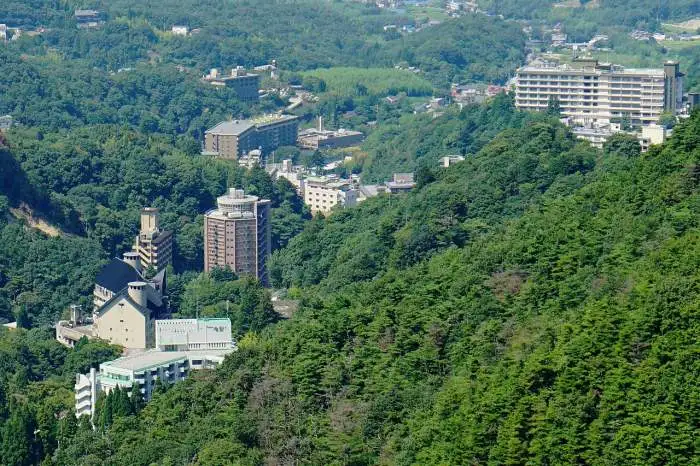
| Onsen day trip | A hot-spring town with natural spring water to bathe in and streets to wander | A weekend outing, e.g. Arima Onsen near Kobe, about an hour by train |
The sento is part of daily life; an onsen is a small trip. On a stay of a few weeks you can have both.
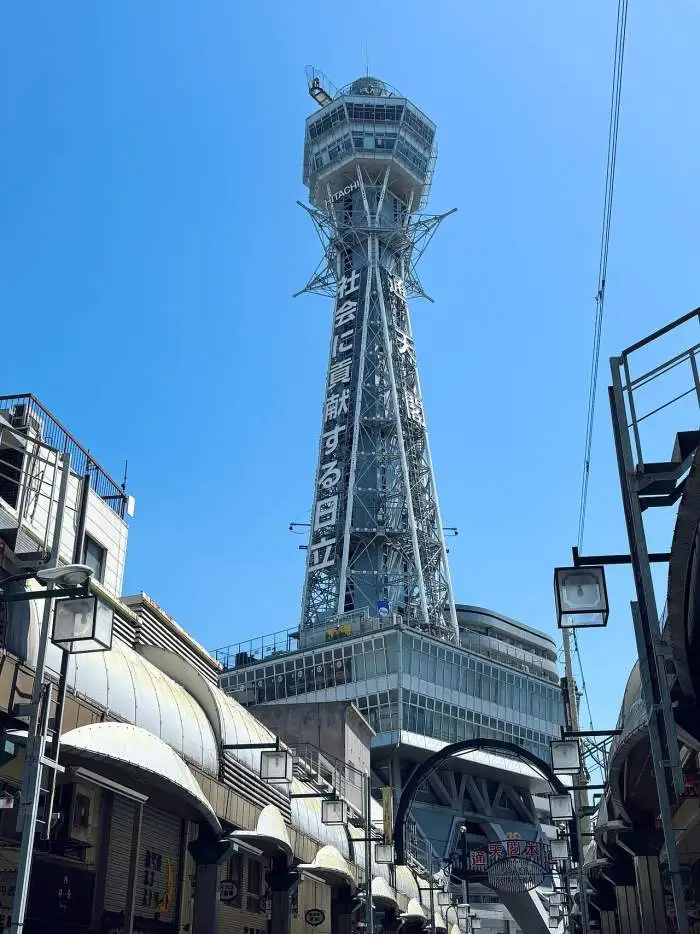
An evening routine: kissaten, shotengai, sento
- Afternoonsit for a while in an old-school kissaten (coffee shop) with a coffee and a newspaper.
- Late afternoonwalk the shotengai (covered shopping street) for side dishes, tofu and vegetables for dinner.
- Bathdrop the shopping at home, or head straight to the nearest sento.
- Homewalk back slowly while you're still warm, eat, and sleep well.
- Exploreeach week, pick a new neighbourhood and try its shopping street and sento together.
💡 For the shopping streets themselves, see our Osaka and Kyoto shotengai guides; for groceries and daily life, see the living guide.
When to go
- Early eveningthe most neighbourly time, with plenty of regulars.
- For a quiet soakbusy times differ from place to place; after a few visits you'll know when yours is calm.
- Opening hours and closing daysthese vary, so check the notice at the entrance or the bathhouse's own information.
- After a big meal or drinkswait before getting into hot water.
With children or older travellers
- Hydratedrink water before and after bathing.
- Short soaksif the water is hot, get out and sit for a while; leave straight away if you feel dizzy.
- Slippery floorshold hands with children and older family members and walk slowly.
- Childrenkeep them with you and out of splashing games. Which side children use and up to what age is set by the bathhouse and local rules, so check the notices.
- Older travellersanyone with a health condition should follow their doctor's usual advice on hot baths; in winter, the changing room can be much cooler than the bath, so dress warmly afterwards.
- First timechoose a quieter time so everyone can get used to it.