 Nicholas & Debra Jewell · CC BY 2.0 · Wikimedia Commons
Museum & venue · Kyoto
Kawai Kanjiro’s House
河井寛次郎記念館
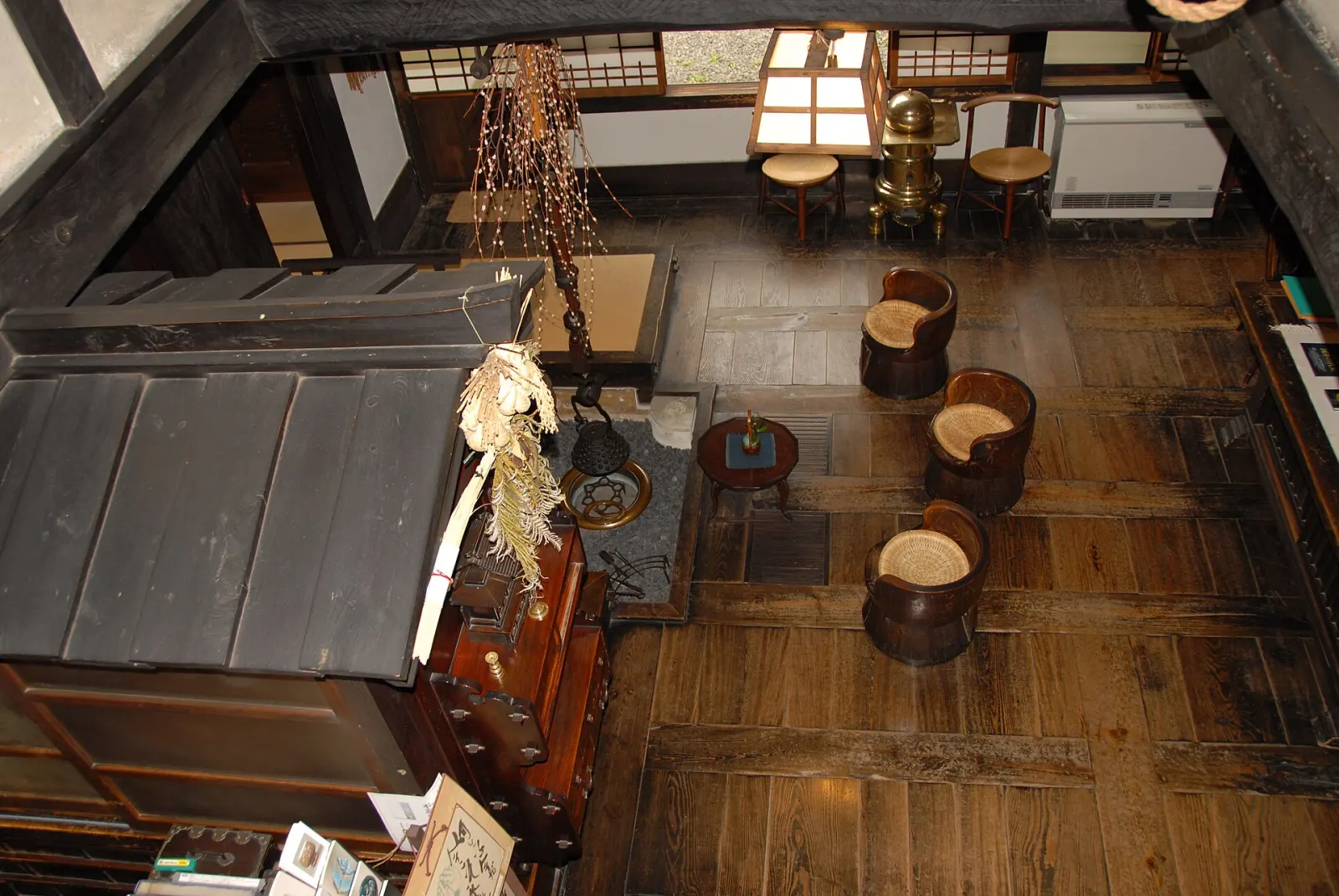
Kawai Kanjiro (1890–1966) was a potter and one of the leaders of Japan's mingei (folk-craft) movement. In 1937 he designed his own home here on Gojozaka, and the house, workshop and kiln are now shown much as he left them.
It feels like visiting someone's home more than a museum. Heavy beams, a sunken hearth and chairs he designed fill the rooms, his pots sit on shelves and tables, and you can sit down, look out on the courtyard and wander back to the kiln where he fired his work.
What to see and do
Built in 1937 to Kawai's own design by carpenters from his home town in Shimane.
Much of the furniture was designed or collected by Kawai himself.
Walk through to the back to see the kiln where he fired his pottery.
His ceramics and wood carvings are placed around the rooms instead of in rows of display cases.
What’s on
Good to know
- It is a small private house: groups are generally not accepted, and there is no parking.
- Close to Kiyomizu-dera and Sanjusangendo, so it fits well into a Higashiyama walk.
More art nearby
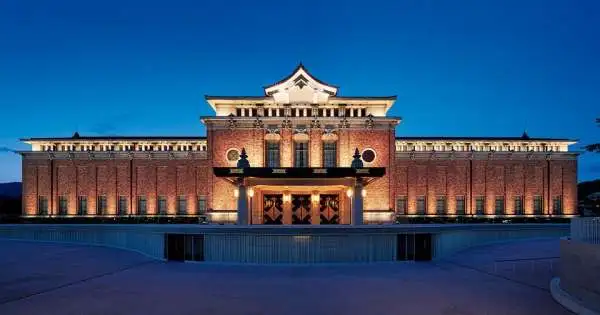
Kyoto National Museum
Treasures from Kyoto’s temples and court, in a red-brick hall that opened in 1897.
 Kakidai · CC BY-SA 4.0 · Wikimedia Commons
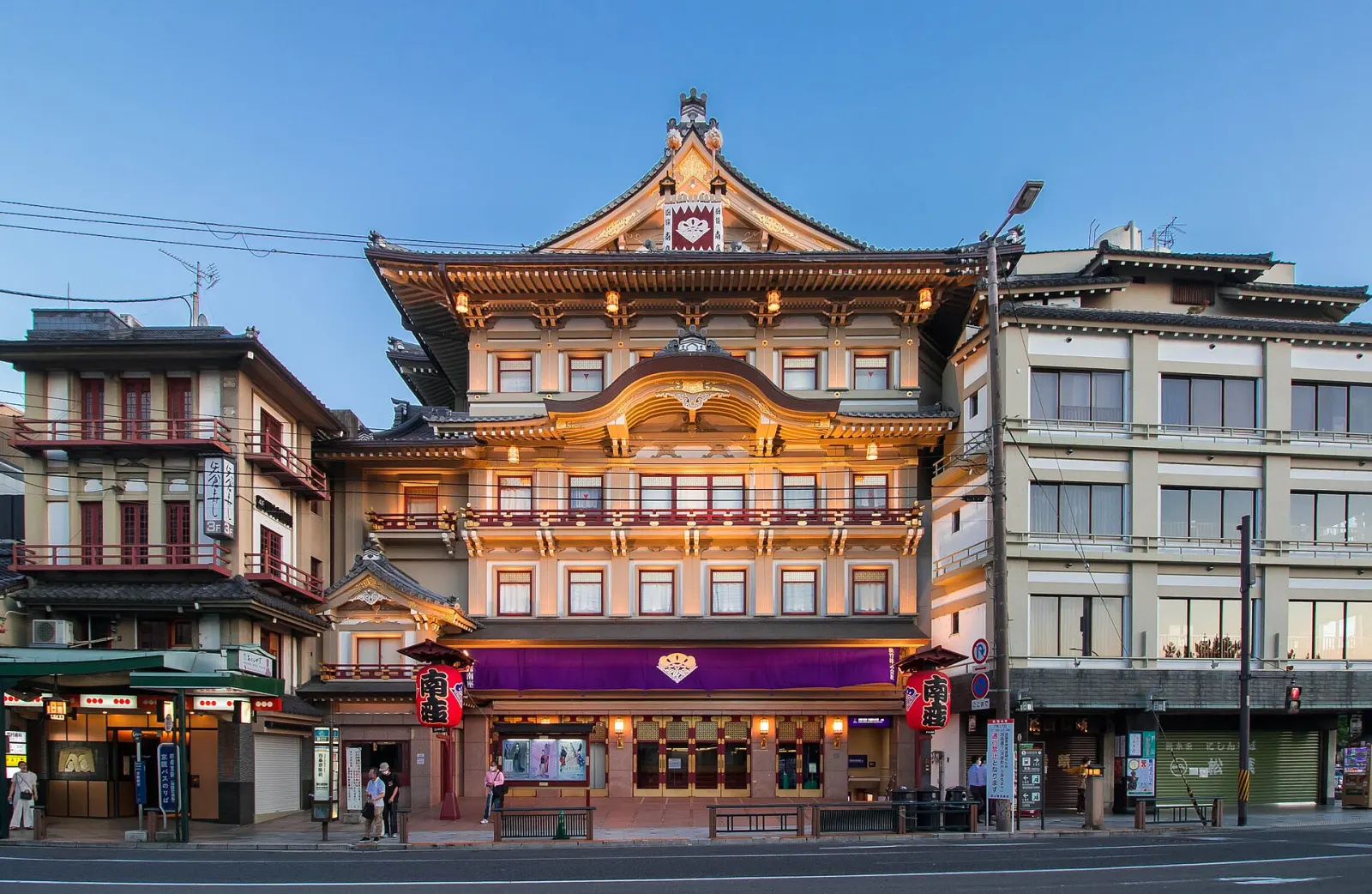
Minamiza
Kabuki started on this riverbank in the early 1600s. Minamiza is Japan’s oldest kabuki theatre.
 663highland · CC BY-SA 4.0 · Wikimedia Commons
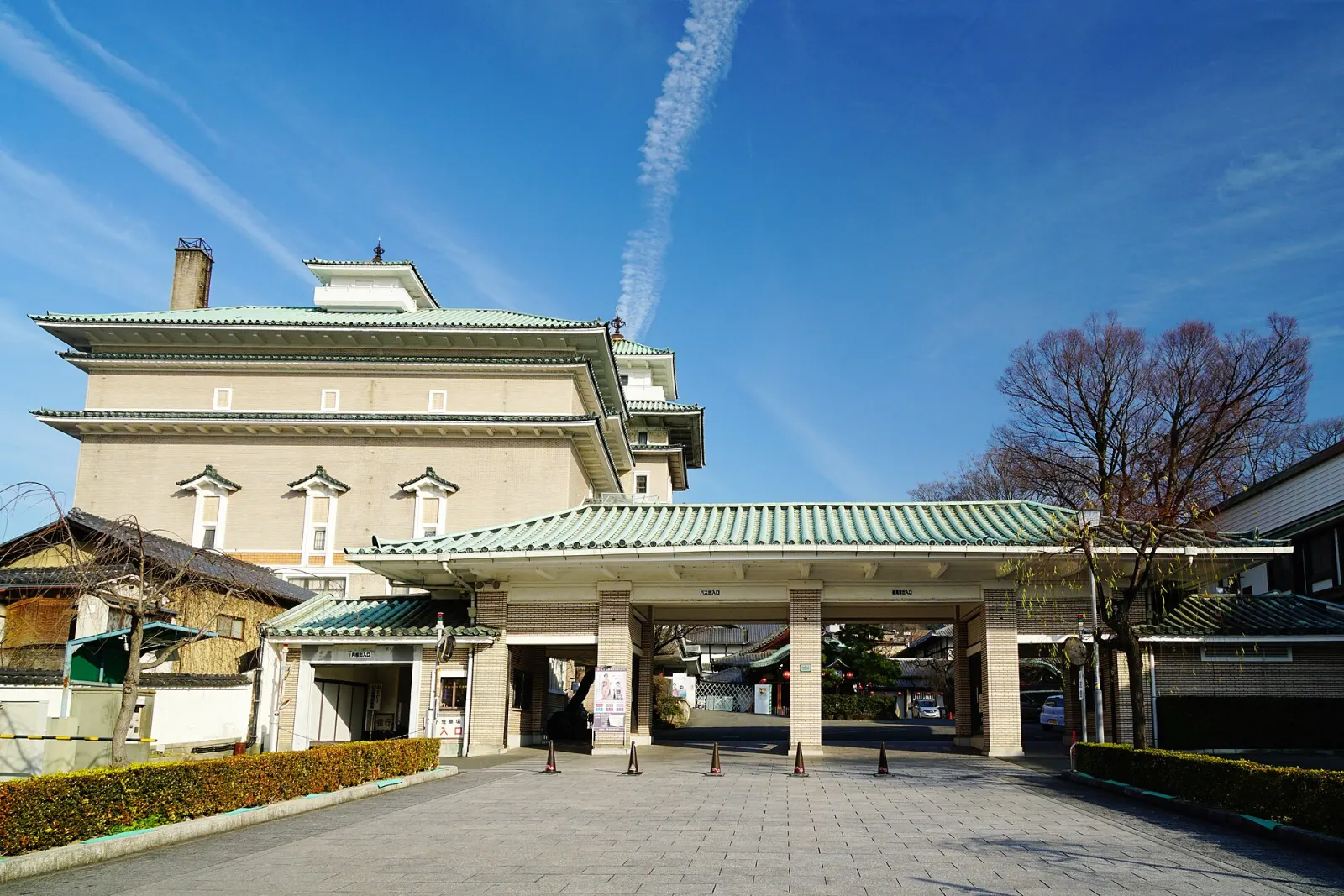
Gion Corner
Seven traditional arts on one stage in an hour: tea ceremony, koto, flower arranging, kyogen, bunraku and maiko dance.
663highland · CC BY-SA 4.0 · Wikimedia CommonsMiyako Odori
Every April, geiko and maiko of Gion dance a spring programme on stage.