 NS-690Ⅲ · CC BY 2.5 · Wikimedia Commons
Craft · Kyoto
Kiyomizu-yaki pottery
清水焼
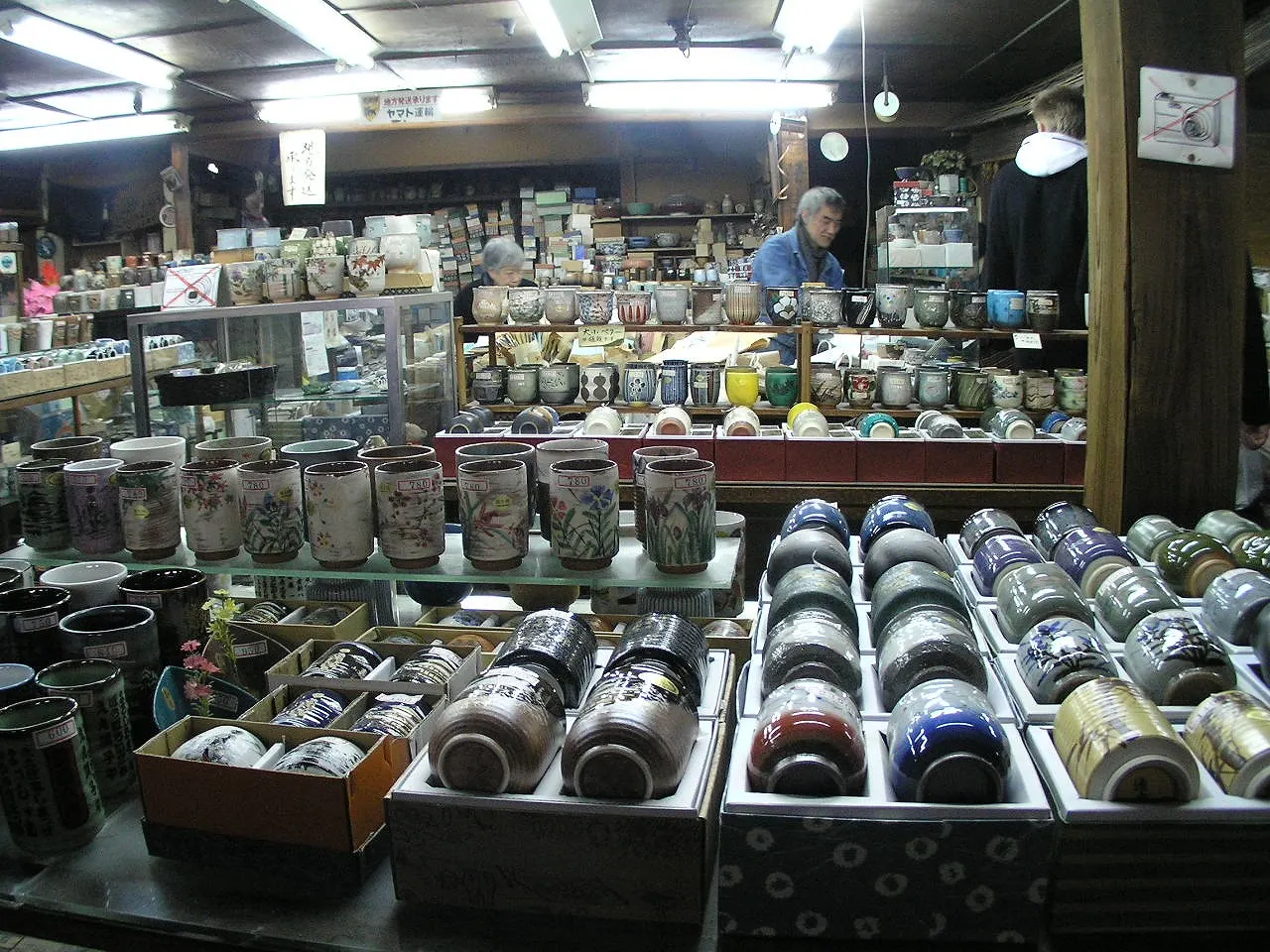
Kiyomizu-yaki is the pottery of Kyoto, named for the area around Kiyomizu-dera. It grew up along Gojozaka, the slope below the temple, where potters were working by the 1600s. Unlike many Japanese wares, there is no single style: famous potters made everything from fine painted porcelain to rustic tea bowls.
Today, Gojozaka and Chawanzaka ('teacup slope') are lined with pottery shops, galleries and some kilns. Many potters later moved to the Kiyomizuyaki Danchi estate in Yamashina, on the east side of the city. Browsing the shops is the best way to find a cup or dish that will remind you of Kyoto every morning.
What to see and do
Pottery shops and galleries on the slope up to Kiyomizu-dera, from everyday cups to fine tea bowls.
Workshops in the area and in Yamashina let you try the wheel or paint your own piece.
A pottery estate in Yamashina with around 70 shops and workshops, and a big pottery fair each October.
Every August, the Gojo Wakamiya pottery fair fills the Gojo-dori sidewalks with stalls.
What’s on
Good to know
- Shops can pack pieces well for travel; ask for extra wrapping for your suitcase.
- Many shops near Kiyomizu-dera close around 17:00–18:00.
More art nearby
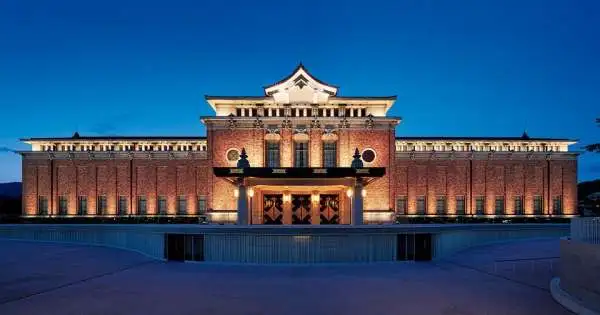
Kyoto National Museum
Treasures from Kyoto’s temples and court, in a red-brick hall that opened in 1897.
 Nicholas & Debra Jewell · CC BY 2.0 · Wikimedia Commons
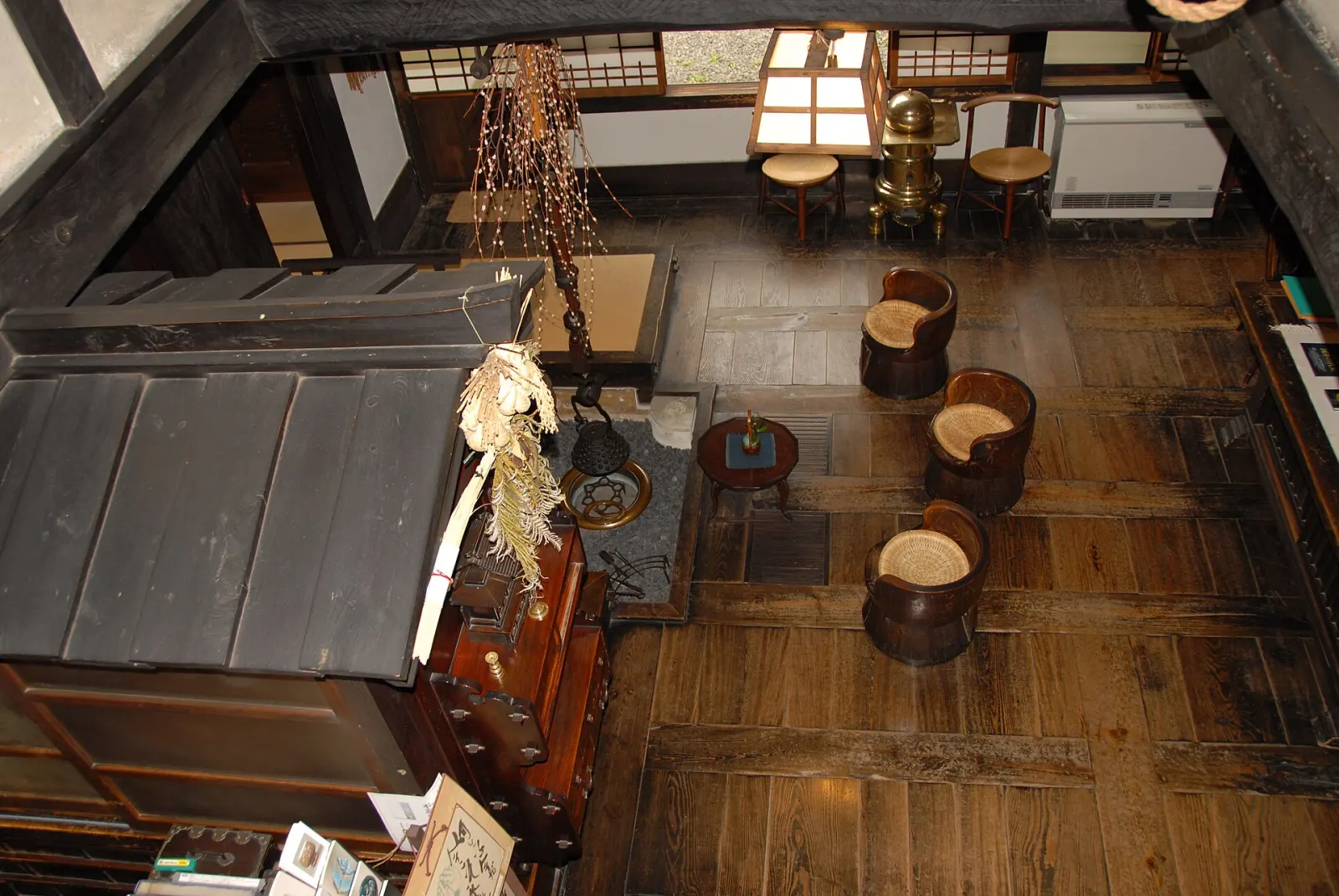
Kawai Kanjiro’s House
The home and climbing kiln of a folk-craft potter, kept the way he left it.
 Kakidai · CC BY-SA 4.0 · Wikimedia Commons
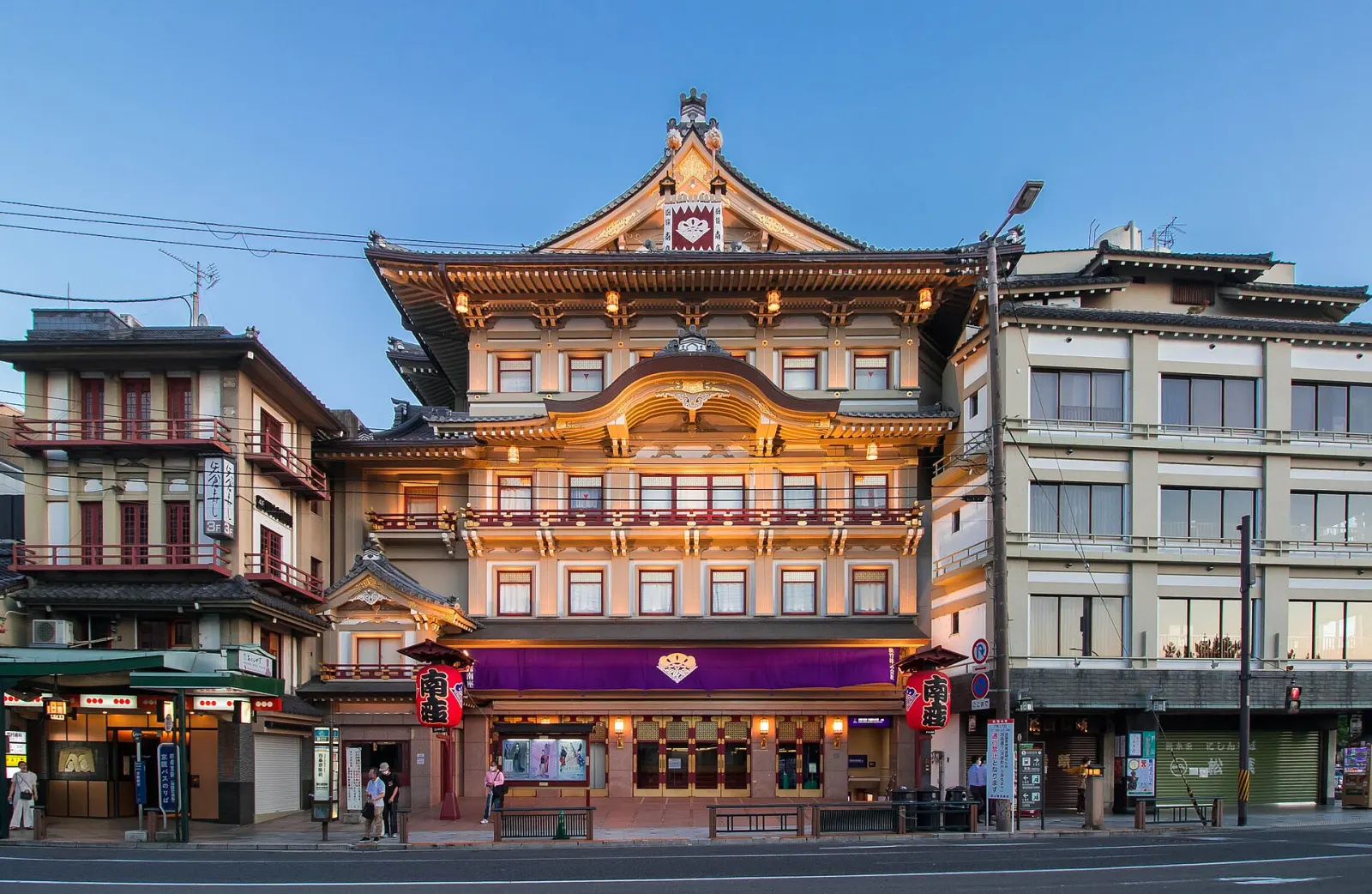
Minamiza
Kabuki started on this riverbank in the early 1600s. Minamiza is Japan’s oldest kabuki theatre.
 663highland · CC BY-SA 4.0 · Wikimedia Commons
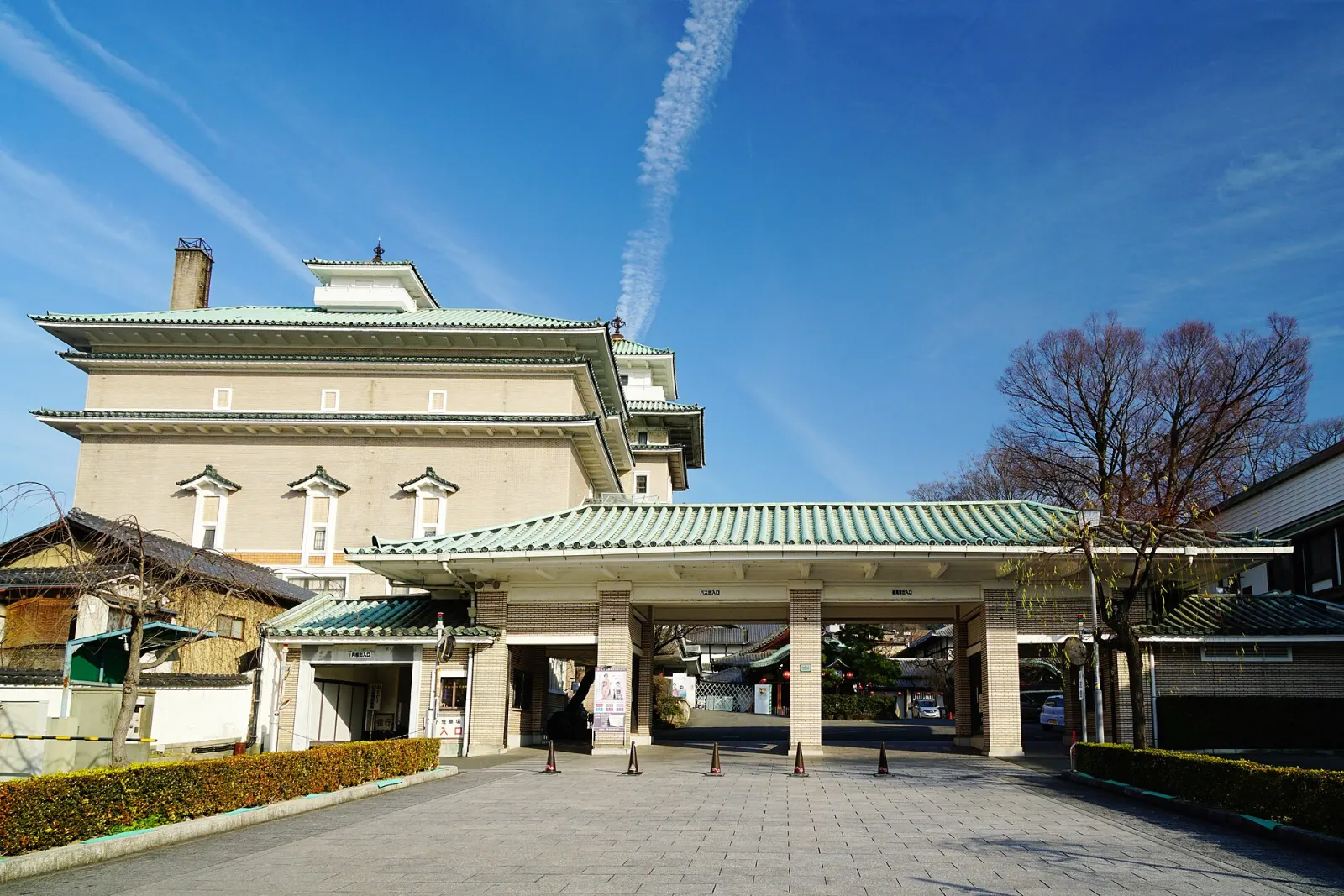
Gion Corner
Seven traditional arts on one stage in an hour: tea ceremony, koto, flower arranging, kyogen, bunraku and maiko dance.