Museum & venue · Kyoto
Nijo Castle
二条城
Nijo Castle was completed in 1603 for Tokugawa Ieyasu, the first Tokugawa shogun, as his residence in Kyoto. In 1867 the last shogun announced here that he was returning power to the Emperor, so the castle saw both the start and the end of the Tokugawa era.
The highlight is the Ninomaru Palace, a National Treasure: six connected buildings with gold-leaf wall paintings of tigers and pines by the Kano school and carved wooden transoms between rooms. As you walk its corridors, the floorboards squeak and chirp like nightingales, a sound made by clamps rubbing against nails under the floor.
What to see and do
Tiger rooms, the Grand Hall where the shogun received lords, and wall paintings by Kano Tan'yu.
Floorboards that chirp under every step.
A former imperial-family palace moved here in 1893–94, reopened after repairs; advance booking required (¥1,000).
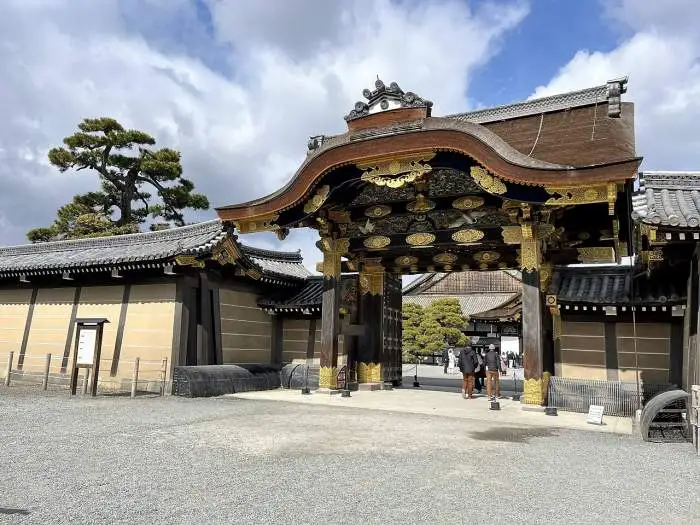
The Ninomaru Garden and the ornate Kara-mon gate; photos are fine outdoors.
What’s on
Good to know
- Photos and video are not allowed inside the Ninomaru and Honmaru palaces.
- Book Honmaru Palace tickets online; they go on sale 30 days ahead. A Kyoto subway one-day pass gets ¥100 off grounds entry.
Stay here
Stays nearby
 Whole houseSleeps 5
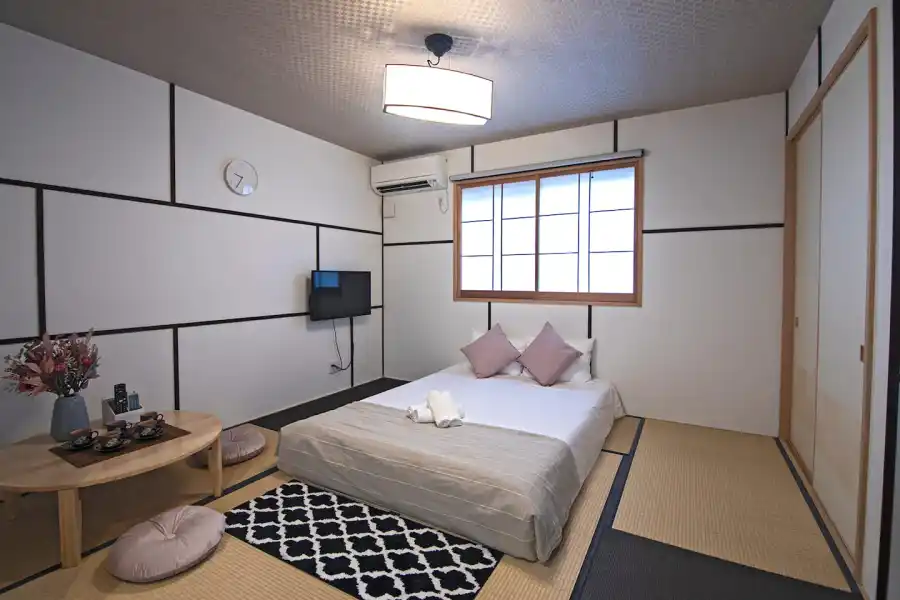 ApartmentSleeps 4
 HotelSleeps 4
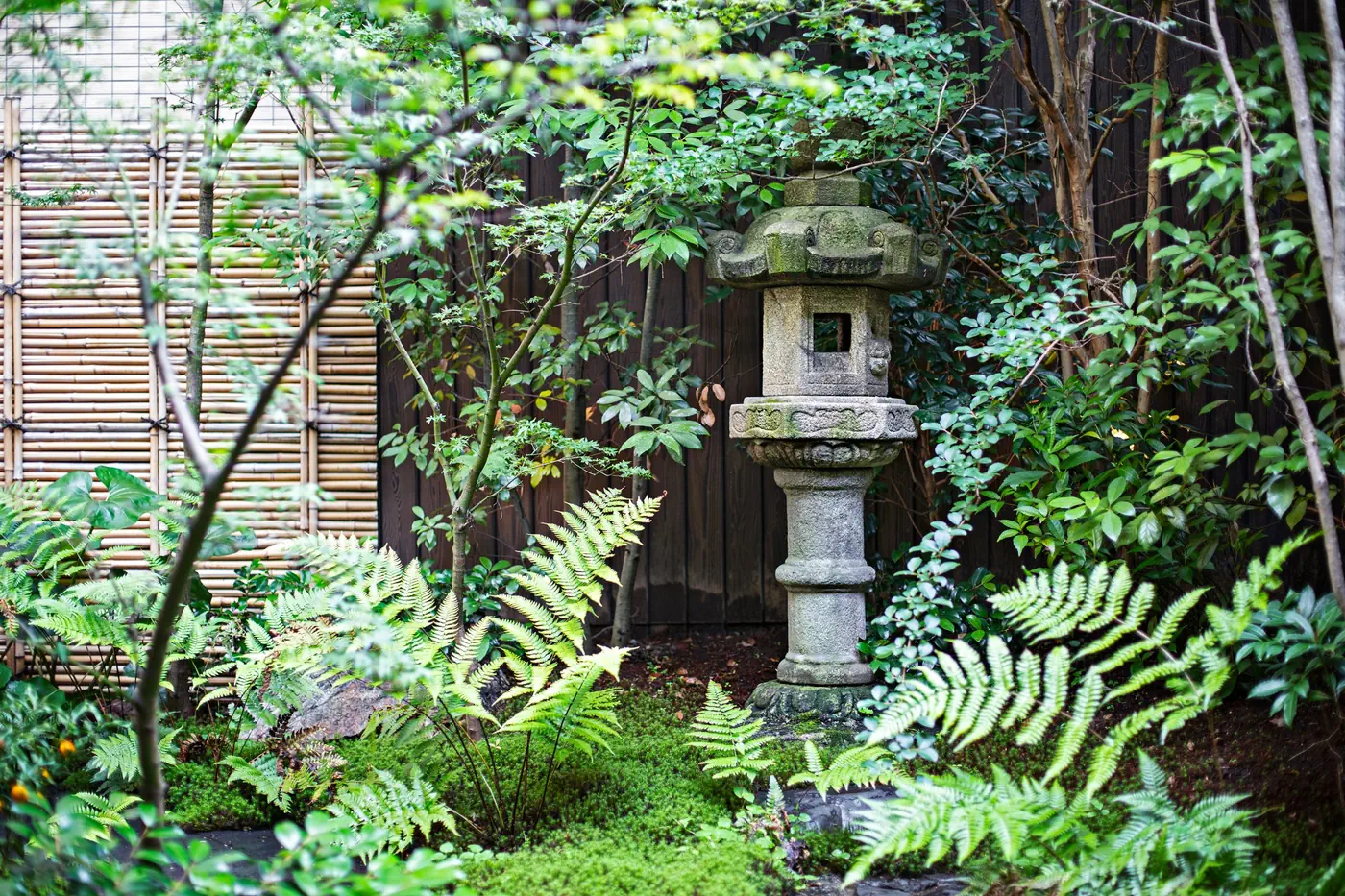 VillaSleeps 9