아직 번역 전이라 영어로 보여 드려요.
The Wisdom of Life Embedded in Machiya
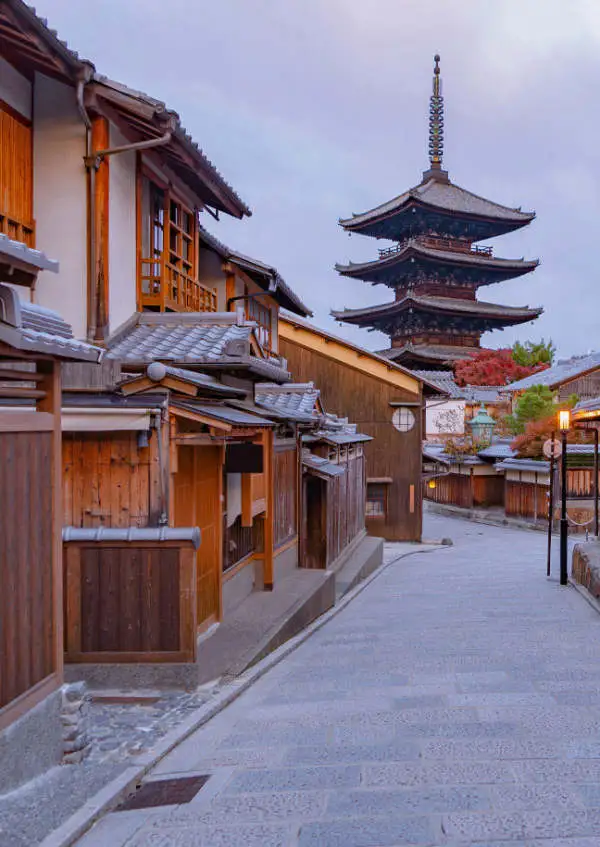
Kyoto's machiya (townhouses) are characterized by their narrow frontage and deep layout, earning them the nickname "unagi no nedoko" (eel bed). This shape stems from two main reasons. One is tax strategy: during the Edo period, taxes in Kyoto were levied based on the width of the frontage, so households minimized it to reduce their tax burden. The other reason is to maximize living space on limited land. On these long, narrow plots, residents skillfully arranged living quarters, workspaces, and a tsuboniwa (courtyard garden). Additionally, Kyoto's basin climate—hot summers and cold winters—called for features like a tōriniwa (passageway) to improve ventilation and sudare (bamboo blinds) to block sunlight. Machiya are not just homes; they are a "living art" that condenses Kyoto's climate and the wisdom of its people.
The Structure of Machiya and Their Present Form
A machiya typically consists of a front area facing the street, used as a shop or workspace, followed by the living quarters, and finally a tsuboniwa at the back. This small garden is a vital space that brings in light and air, allowing residents to feel the changing seasons. Today, many machiya have fallen into disrepair, but in recent years, an increasing number have been renovated into cafes, galleries, and lodging facilities. For example, in the Gion and Nishijin districts, renovated machiya over a century old have become popular as inns and shops. These spaces retain traditional elements such as lattice doors, earthen walls, and ranma (transom carvings), while incorporating modern amenities. They are highly praised by foreign visitors as a way to "experience Japanese living."
Three Suggestions for Enjoying Machiya
- Take a break at a machiya cafe: Around Gion and Kiyomizu-dera, you'll find many cafes converted from machiya. Enjoy matcha sweets while gazing at the tsuboniwa, and you'll feel like you've traveled back in time.
- Book a machiya stay: Lodgings converted from machiya are available on Airbnb or specialized websites. Some inns offer exclusive activities like garden maintenance or tea ceremony experiences for guests.
- Observe architectural details: Pay attention to unique features such as mushikomado (insect-cage windows) under the eaves and inuyarai (bamboo fences) along the street. Exploring with a guidebook is recommended.
Machiya are treasures that convey Kyoto's history and the wisdom of daily life to the present day. We invite you to experience their depth with all five senses.