아직 번역 전이라 영어로 보여 드려요.
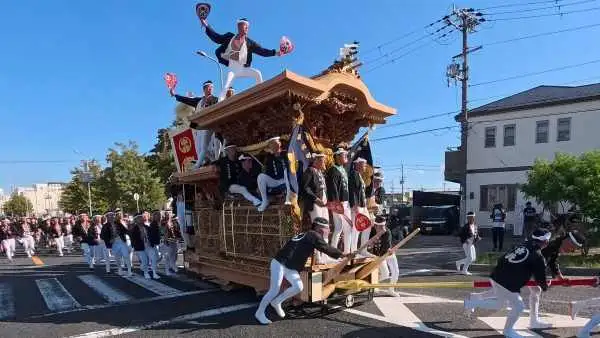
The Kishiwada Danjiri Matsuri is a thrilling autumn festival held every September in Kishiwada City, Osaka Prefecture. It is a breathtaking sight to see danjiri (floats) weighing about 4 tons dash through the streets to the shouts of young men. With a history of about 300 years, this festival is a source of local pride and conveys the essence of Japanese festivals to visitors. Here, we have summarized ten points to help even first-time visitors enjoy the highlights and how to experience it.
The Thrill of the Danjiri: "Yarimawashi"
The biggest highlight of the danjiri festival is the "yarimawashi," where the float is turned sharply at intersections. The sight of the 4-ton vehicle spinning around in one go is breathtakingly powerful. Keep a safe distance and experience it up close.
See the Danjiri Up Close: "Hikidashi"
Early on the morning of the yoimiya, the "hikidashi"—when each neighborhood's danjiri is pulled out of its storehouse—marks the beginning of the festival. During this time, when there are still few people, you can closely observe the detailed carvings and decorations of the danjiri. Since it starts early in the morning, staying overnight from the previous day is recommended.
The Sound of the Danjiri: "Narimono"
The festival's energy is driven by the "narimono"—drums, bells and flutes played aboard the danjiri. Their powerful rhythm further heightens the festival's fervor. Listen carefully.
The Enchanting Atmosphere of the Eve Festival: "Yoiya"
During the "yoiya," the eve of the main festival, the danjiri are lit with lanterns, creating a fantastical beauty different from daytime. The floats emerging in the darkness are truly mystical. Street stalls line the area, and you can enjoy interacting with locals. Appreciate the contrast with the daytime wildness.
Appreciating Traditional "Danjiri Carvings"
The sides and roofs of the danjiri are adorned with exquisite carvings depicting dragons, lions, heroes, and more. The carvings of each neighborhood express its character and pride. Especially the carving on the back, called "miokuri," is a must-see. Enjoy them as works of art showcasing the carvers' skills.
Savor Local Cuisine
Around the festival venue, standard food stalls line up selling takoyaki (octopus balls) and yakisoba (fried noodles). Enjoy the festival while strolling and eating.
Viewing Etiquette and Attire
Viewing is free, but roads where danjiri run are regulated. Watch safely from sidewalks or designated viewing areas. Also, be careful not to obstruct the pullers (hikite). For clothing, wear something easy to move in and that can get dirty. Although it's September, heatstroke prevention is essential.
Access and Recommended Viewing Spots
The nearest station is Kishiwada Station on the Nankai Main Line (Higashi-Kishiwada Station on the JR Hanwa Line is also an option). The main venues are around Kishiwada Castle and along Kishu Kaido Road. Especially the street in front of Kishiwada Castle is an excellent photo spot with danjiri racing against the castle backdrop. Also, check the yarimawashi points of each neighborhood in advance to tour efficiently.
Learn About the Festival's History: "Danjiri Kaikan"
If you want to understand the festival more deeply, visit the Kishiwada Danjiri Kaikan (Danjiri Hall), which has permanent exhibits. Actual danjiri and historical materials are displayed (closed Mondays and over the New Year holidays). It gets crowded during the festival, but visiting beforehand will help you understand the highlights of the day.
Photography Tips
To capture the moment of a danjiri dashing, set a fast shutter speed. To express the dynamism of yarimawashi, try panning. For the night yoiya, a tripod is useful, but be careful about securing a spot. Be considerate of other spectators and aim for that perfect shot.
【HOW】The September festival is held over a weekend in mid-to-late September (in 2026: yoimiya on September 19, honmiya on September 20); check the official Kishiwada City website for each year's dates. Since crowds are expected, visiting from the eve festival (yoiya) the day before is smoother. Public transportation is convenient, but the station area gets very crowded, so plan to move early. Reservations for accommodation must be made months in advance. Take measures against heatstroke and wear comfortable shoes to fully experience this thrilling festival.