아직 번역 전이라 영어로 보여 드려요.
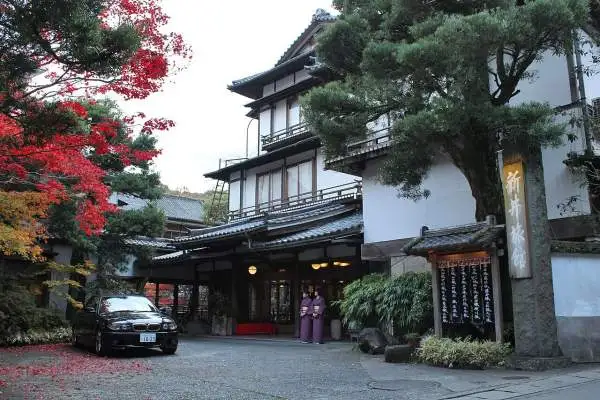
When visiting Japan, experiencing an onsen (hot spring) is a must. But many travelers wonder, "Should I stay at an onsen ryokan (traditional inn) or is a day-trip enough?" Both have different charms, and the best choice depends on your travel style and purpose. This article compares their features to help you find the perfect hot spring experience.
Duration and Freedom — Immerse Yourself Fully or Drop in Casually
The highlight of an onsen ryokan is enjoying the baths leisurely from check-in until the next morning. You can bathe after dinner or early in the morning, relaxing without worrying about time. On the other hand, day-trip onsen are perfect for a quick soak in a few hours, ideal for fitting into sightseeing. If you prefer a flexible schedule, a day-trip is recommended.
Types and Number of Baths — Large Communal Bath vs. Diverse Bath Hopping
Many onsen ryokan offer indoor baths, open-air baths (rotenburo), and private reserved baths, allowing you to enjoy multiple tubs. Some inns have several types of natural flowing springs (gensen kake-nagashi). Day-trip onsen also have large communal baths and open-air baths, but they may not offer as many varieties as a ryokan. If you want to savor the onsen itself, choose a ryokan; if you just want a quick dip in a big tub, a day-trip can satisfy.
Dining Experience — In-room Kaiseki vs. Casual Meals
Dinner at an onsen ryokan features kaiseki cuisine (multi-course haute cuisine) using local ingredients. Enjoying it in your room or a private dining room becomes a memorable part of the trip. Breakfast is also included, making food an integral part of the stay. At day-trip onsen, you can enjoy set meals or light snacks at the in-house cafeteria or restaurant, but full-course meals like those at ryokan are rare. If dining is important, an overnight plan is recommended.
Budget and Cost Performance — Splurge vs. Save Smartly
An onsen ryokan with two meals costs ¥10,000–¥30,000 or more per person per night. However, considering dinner, breakfast, bath hopping, and relaxing in your room, overall satisfaction is high. Day-trip onsen cost only ¥500–¥2,000 for admission. Even with added meals, they are much more affordable. If you want to save money or just enjoy the hot spring, a day-trip is a wise choice.
Access and Location — Secluded Lodgings vs. Near Stations or Tourist Spots
Onsen ryokan are often located in quiet mountain or coastal areas, which may take time to access. But that also offers a sense of escape from everyday life. Day-trip onsen are often near train stations or tourist attractions, making them easy to visit during travel. For example, hot spring resorts like Hakone (Hakone) or Kusatsu (Kusatsu) have many day-trip facilities, allowing you to hop between baths easily.
Privacy and Quietness — Private Baths vs. Large Communal Baths
At an onsen ryokan, you can choose a private reserved bath (kashikiri-buro) or an open-air bath attached to your room, so you don't have to worry about others. This is ideal for families or couples wanting quiet time. Day-trip onsen typically have large communal baths, and while some offer private baths or time-slot rentals, you generally bathe with other guests. Choose based on whether you want to socialize (especially during solo travel) or prefer a peaceful soak.
Special Events and Services — Seasonal Festivities vs. Rotating Baths
Ryokan sometimes host events exclusive to overnight guests, such as fireworks, seasonal festivals, or nighttime illuminations. They also offer a wider selection of amenities and yukata (light cotton kimono). Day-trip onsen facilities may feature rotating baths (e.g., medicinal baths or herbal baths), so you won't get bored even with repeat visits. For special memories, choose a ryokan; if you plan to visit often, day-trip options are also interesting.
Summary Checklist — Recommended For:
- Onsen Ryokan: Those who want to luxuriate in time, enjoy meals, and experience a non-everyday atmosphere. Ideal for special anniversaries or a relaxing getaway.
- Day-trip Onsen: Those who want to enjoy a quick soak during sightseeing, save money, or hop between multiple hot springs.
Both are wonderful ways to experience Japan's onsen culture.
[HOW] Reservations, especially for onsen ryokan, should be made early (1–2 months in advance is safe). For day-trip onsen, check operating hours and closed days beforehand. To avoid crowds, visit on weekdays or during early hours. Also, bringing your own towel and change of clothes is recommended (though many facilities offer rentals).