아직 번역 전이라 영어로 보여 드려요.
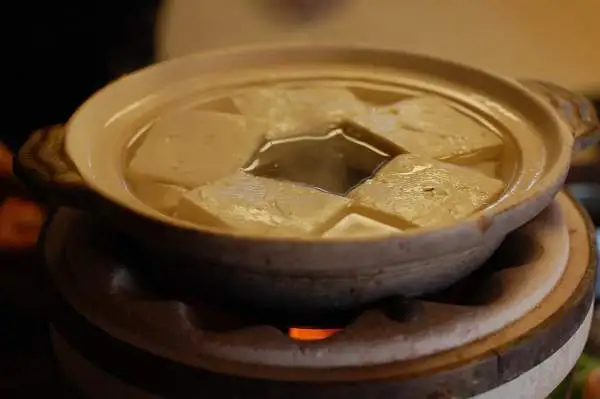
As the capital for a thousand years, Kyoto has refined its culinary culture as well. From kaiseki cuisine originating in shojin ryori (Buddhist vegetarian cuisine), to yudofu (hot tofu) rooted in temple towns, and matcha sweets developed alongside the tea ceremony. Here, we have carefully selected easily accessible experience spots for travelers. Without formality, savor Kyoto's 'food culture' with all five senses.
Hyotei — Start the Day with Asagayu (Morning Porridge)
A long-established ryotei (traditional restaurant) near Nanzen-ji Temple. The specialty 'asagayu' is simple yet flavorful with dashi broth. Asagayu is served from 8:00 at the main building only in July–August, and at the annex (Bekkan) from mid-March to November. Reservations required (2 guests or more).
Okutan Kiyomizu — Yudofu with Nearly 400 Years of History
A yudofu specialty shop on the approach to Kiyomizu-dera Temple. Founded over 350 years ago, enjoy tofu that brings out the sweetness of soybeans with a special dipping sauce. Dining while viewing the garden from the tatami room is exceptional.
Saryo Tsujiri — The Pinnacle of Matcha Parfaits
A café directly run by a long-established tea shop in Gion. The parfait layered with matcha ice cream, shiratama (rice flour dumplings), and sweet red bean paste is hugely popular among foreigners. Be prepared for a queue, but takeout is also available.
Nakamura Tokichi Honten — Matcha Experience at the Sacred Place of Uji Tea
A long-established shop in front of JR Uji Station. You can experience whisking matcha in the store (reservation required).
Ippodo Tea Co. — Learn Senchado (Green Tea Ceremony) from the Leaves
A tea shop founded 300 years ago on Teramachi-dori Street. They hold tea-brewing classes where you can learn how to prepare sencha and matcha properly. Expert staff carefully teach about water temperature and steeping time.
Junsei — Full Course of Yuba (Tofu Skin) and Yudofu
A famous restaurant at the gate of Nanzen-ji Temple. Enjoy a kaiseki-style course centered on yudofu and yuba. The experience of scooping up yuba yourself is exciting for both children and adults.
Gion Tokuya — The Melting Texture of Hon-Warabi Mochi
A sweet shop in a back alley of Gion. Hon-warabi mochi (bracken starch dumplings) made fresh in front of you after ordering, served with kinako (roasted soybean flour) and kuromitsu (black sugar syrup). Seasonal fruit anmitsu (sweet bean jelly) is also recommended.
Kikunoi — Michelin Three-Star Kaiseki
For an authentic kaiseki experience, this is the place. The main restaurant holds three Michelin stars; lunch kaiseki starts from 16,500 yen (plus 15% service charge), and online reservations are available in English.
Nishiki Market — Enjoy Kyoto's Kitchen with Street Food
A shopping street known as 'Kyoto's kitchen.' Many items like pickles, yuba, and matcha sweets are sold in small portions, allowing you to enjoy tasting casually. Opening hours vary by shop; most close by early evening.
Saryo Itoh Kyuemon — Variations of Matcha Sweets
A café run by a long-established tea shop in Uji. They offer a full matcha menu including matcha parfaits, matcha zenzai (sweet red bean soup), and matcha lattes. Matcha chocolates for souvenirs are also popular.
To fully enjoy Kyoto's culinary experiences, advance reservations are key. Especially for kaiseki cuisine and popular yudofu restaurants, book weeks in advance. Matcha experiences and sweet shops are relatively easier to visit on the day, but weekends are crowded. The best seasons are spring (cherry blossoms) and autumn (fall leaves), but summer's chilled matcha and winter's yudofu also have their charm. Please savor Kyoto's 'food culture' with all five senses.