January opens with Japan's biggest holiday. The first three days are all shrine visits, family meals and quiet streets, then the country goes back to work and Kansai settles into cold, bright, mostly dry winter days. The light is low and clear, which makes temples and old wooden streets look their best.
It's a great month for onsen lovers, food-focused trips and anyone who likes sightseeing without the crowds after the first week. The trade-offs: it's cold indoors as well as out in older buildings, days are short, and some small shops and restaurants close for a few days around 1 January.
Festivals and big moments
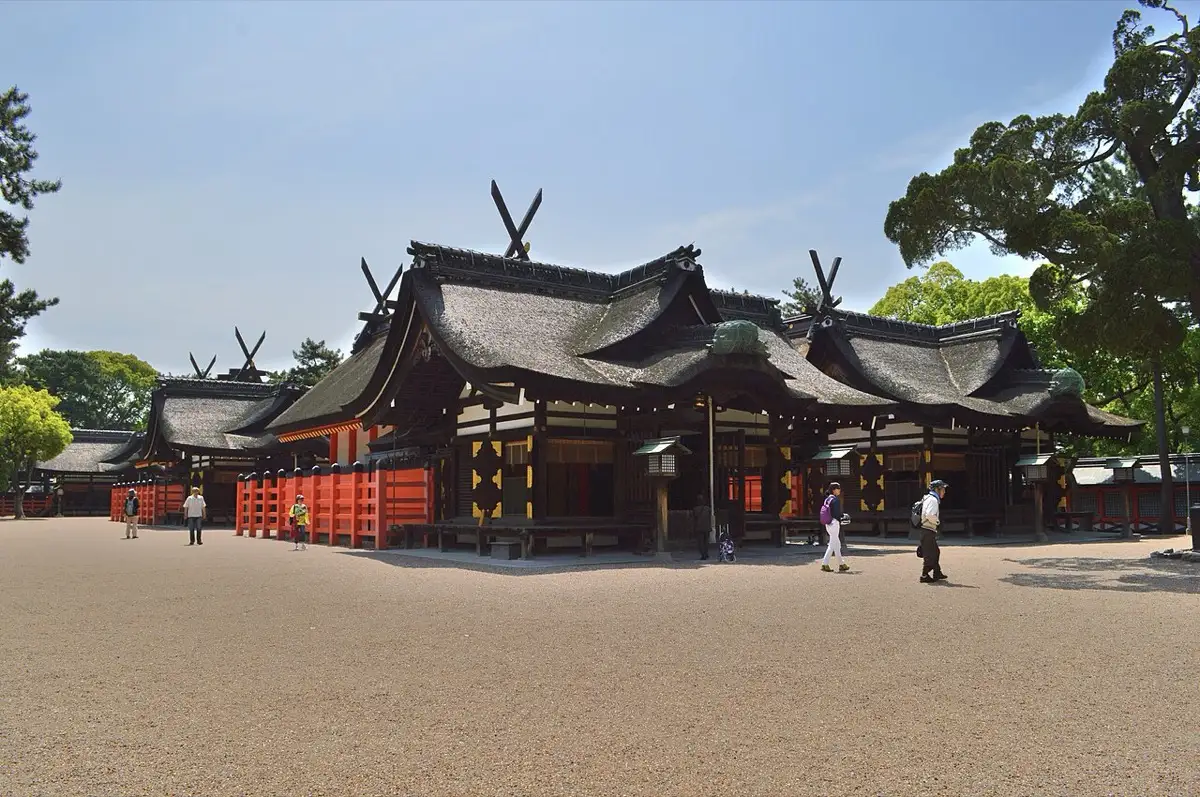
Osaka1–3 January
New Year shrine visit
Sumiyoshi Taisha
One of the busiest New Year shrines in Japan. Over two million people come in the first three days of the year to pray for luck, and cross its steep red arched bridge.
Getting there · 15 min from Namba on the Nankai line
Open in Google Maps ↗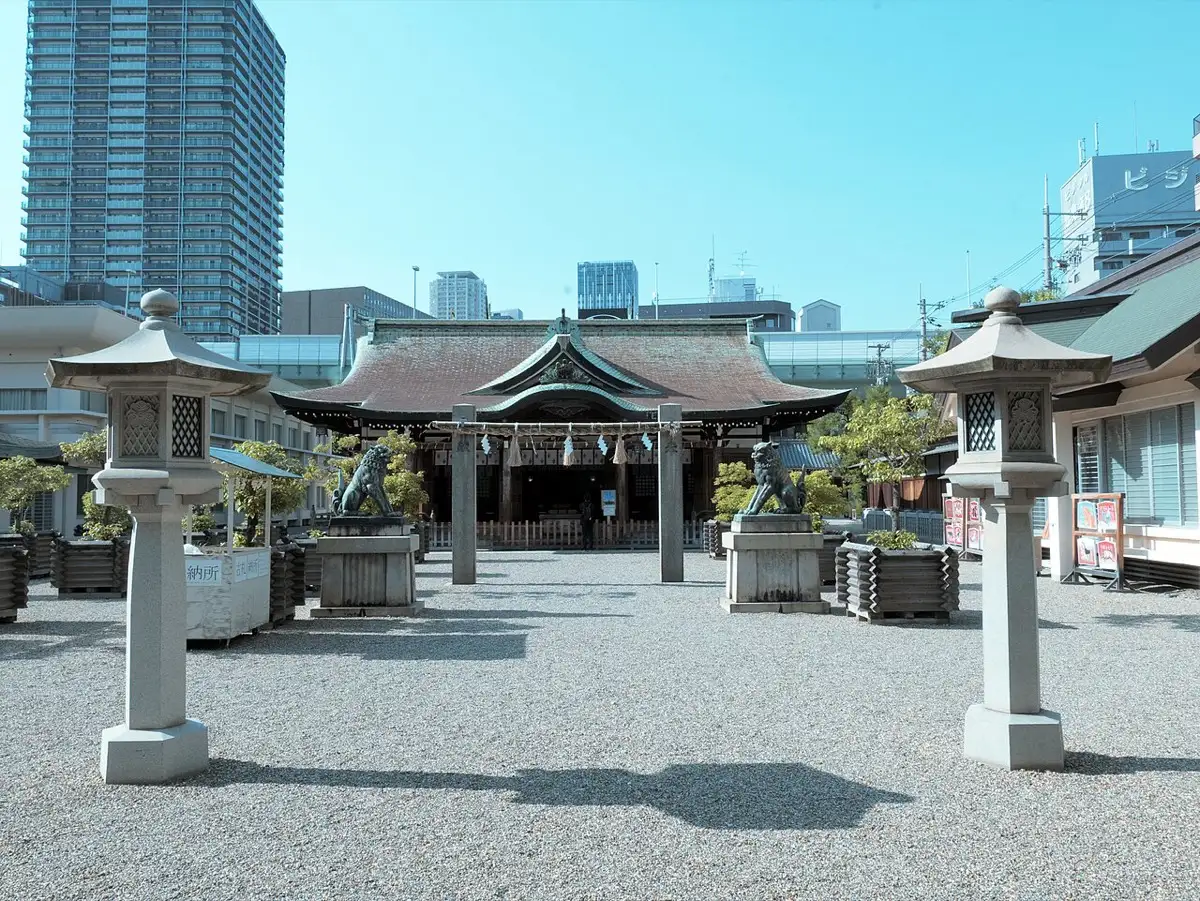
Osaka9–11 January
Toka Ebisu, the lucky bamboo festival
Imamiya Ebisu Shrine
Shop owners buy bamboo branches hung with gold charms for a good business year. Stalls, drums and crowds late into the night.
Getting there · 10 min walk from Tsutenkaku
Open in Google Maps ↗1月
KansaiFrom about 8 January
Quiet and good value after the first week
Once New Year is over, trains, temples and prices all calm down until spring.
More to do this month
1Soak in Arima OnsenOne of Japan's oldest hot spring towns, with rust-colored 'gold' water and clear 'silver' water. An easy day trip that feels perfect on a cold day.
Kobe Arima Onsen, north of Kobe
2Shop the New Year salesDepartment stores and malls open their New Year sales in the first days of January, including lucky bags (fukubukuro) with mystery contents.
Osaka Umeda and Shinsaibashi department stores
3Watch the mountain burn in NaraOn an evening in late January the grass on Mt Wakakusa is set alight after fireworks, glowing over Nara Park.
Nara Mt Wakakusa, Nara Park
4Hope for snow at the Golden PavilionIf snow falls overnight, head to Kinkaku-ji early. A white-roofed Golden Pavilion is one of Kyoto's most wished-for sights.
Kyoto Kinkaku-ji
5See the Kobe LuminarieIn recent years this memorial light festival has been held in late January around the old foreigners' settlement. Check the year's dates before you go.
Kobe Former Foreign Settlement and Higashi Yuenchi Park
Eat this month
Yudofu (simmered tofu)Kyoto's classic winter comfort food, best near Nanzen-ji where tofu restaurants have served it for generations.
Fugu (pufferfish) hot potWinter is peak fugu season and Osaka is one of Japan's biggest fugu-eating cities; look for tecchiri hot pot in Shinsekai or Dotonbori.
Snow crabMatsuba and other snow crab from the Sea of Japan coast are in season, served boiled, grilled or in hot pots across Kansai.
Good to know
- 1–3 January is the busiest shrine time of the year, so expect long lines at big shrines. After about 5 January things calm down fast.
- Some restaurants and smaller shops close from around 31 December to 3 January. Convenience stores and big chains stay open.
- Coming of Age Day brings young people in kimono out to shrines and city halls, a lovely sight.