Many foreign tourists visiting Kyoto are awestruck by its overwhelming beauty, yet often wonder, "Why are there so many rules?" From "no photography" and "no entry" at temples and shrines, to "no talking" in restaurants, as well as "no smoking while walking" and "take your trash home," these seemingly strict manners actually have deep cultural reasons.
For the Japanese, Kyoto is not just a tourist destination; it is a "living cultural heritage" where over a thousand years of history and spirituality breathe. Temples and shrines, in particular, are sacred places of worship where people find peace in silence. As the number of tourists increases, local voices express concern that these places are becoming "theme parks," leading to stricter rules to preserve tradition. For example, the ban on photography is not only to prevent flash from damaging cultural properties but also to avoid disturbing the prayers of other visitors.
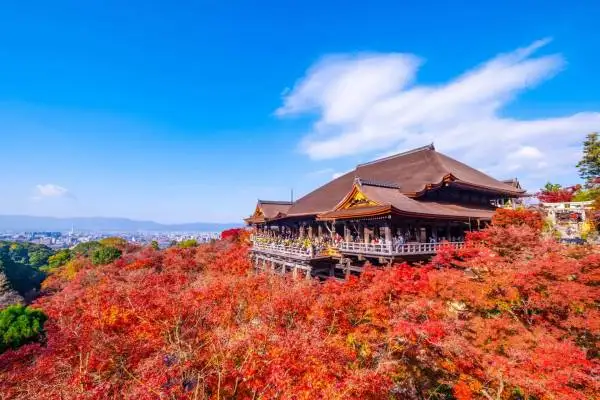
In reality, signs reading "no photography," "quiet please," and "no entry" are ubiquitous in Kyoto's tourist spots. At Kinkaku-ji (Golden Pavilion) and Ryoan-ji, photos can only be taken from designated areas, and the main hall of Kiyomizu-dera is completely off-limits for photography. In shopping streets like Nishiki Market, eating while walking is implicitly prohibited, with signs encouraging people to stop and eat. Furthermore, in Gion's geisha district, unauthorized entry into private property and street photography of geiko (geisha) and maiko (apprentice geisha) are strictly restricted, and violators may face fines.
These rules are not meant to exclude tourists but are expressions of "consideration" to preserve the beautiful scenery and culture for the future. For instance, the absence of public trash bins to prevent littering is to keep the streets clean and avoid crows and other pests. The ban on smoking while walking is a measure unique to Kyoto, where old wooden buildings are densely packed, to prevent fires.
So, how can you fully enjoy Kyoto? First, before visiting, briefly check the rules of each spot. For example, at temples and shrines, look for signs indicating whether photography is allowed or not, and in restaurants, keep conversations to a whisper. Also, avoid peak tourist hours and visit early in the morning or evening to experience a quieter, more sacred atmosphere. And if you happen to overlook a rule, be grateful that a local gently reminds you, and respond with a smile. The people of Kyoto will warmly welcome you if they see that you are trying to respect their culture.
Thus, Kyoto's "strictness" is actually "wisdom to protect its beauty." By understanding the rules and showing respect, your journey will become deeper and more enriching.